


 русский
 Español
 Français
Home / News / Industry News / Powder Coating Appearance Normal — Why Do Particles Appear After Spraying?
Industry News

In powder coating of appliances, aluminium profiles, engineering machinery, and metal products, a consistent pattern is encountered: the powder appearance is normal, spray parameters are stable — but the cured film surface shows a large number of particles, affecting product appearance and sometimes requiring rework. Many assume the powder quality is the problem, but in practice, increased particles are often the combined result of powder condition, recycled powder management, equipment operation, spray environment, and flow performance.
Before spraying: powder flowability is normal, appearance has no obvious agglomeration, and coating efficiency is stable. But these only indicate good initial powder condition — they cannot guarantee a sufficiently flat final film surface.
Powder coatings are sensitive to storage conditions. If stored long-term in high-temperature, high-humidity conditions, or if packaging is not well-sealed, powder can absorb moisture and agglomerate — resulting in visible particles after spraying.
To improve utilisation, a certain proportion of recycled powder is typically added in production. If the recycled powder ratio is too high, particle size distribution changes significantly, or mixing is non-uniform — spray flow performance is affected, increasing surface particle feel in the cured film.
If the spray gun or powder delivery system has accumulated powder in lines, spray gun wear, unstable powder delivery, or reduced atomisation quality — non-uniform powder distribution results, affecting film surface quality.
After melting, the powder needs to flow adequately to form a flat film. If flow performance is insufficient — uneven melting, poor flowability, film cannot spread fully — fine particles are more likely to be retained at the surface.
If the spray booth has insufficient air cleanliness, excessive dust, or inadequately cleaned workpieces — contaminants attach to the film surface and ultimately appear as particle defects.
Early in production: powder is stable, equipment operates normally, and spray effect is good. As continuous production proceeds: recycled powder continuously accumulates, lines gradually accumulate powder, and environmental contaminants continue to build up — particle problems become progressively more obvious.
Increased particle count in powder coating after spraying is fundamentally the combined result of powder condition, recycled powder management, equipment operation, spray environment, and flow performance. When analysing powder spray particle problems, beyond the powder itself, storage conditions, equipment maintenance, recycled powder management, spray environment, and the formulation system all need comprehensive review to improve film surface quality.
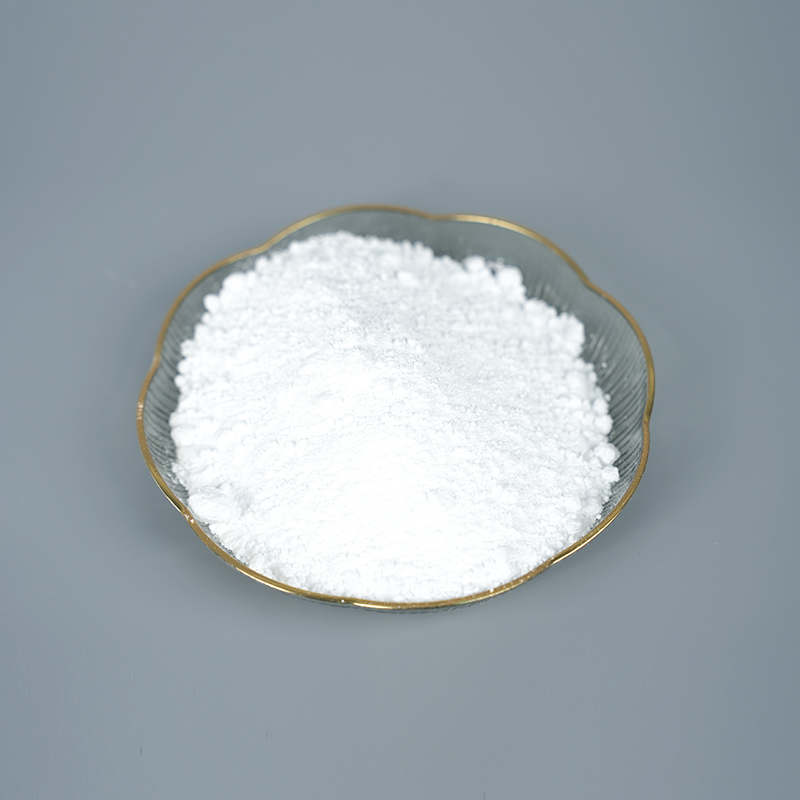
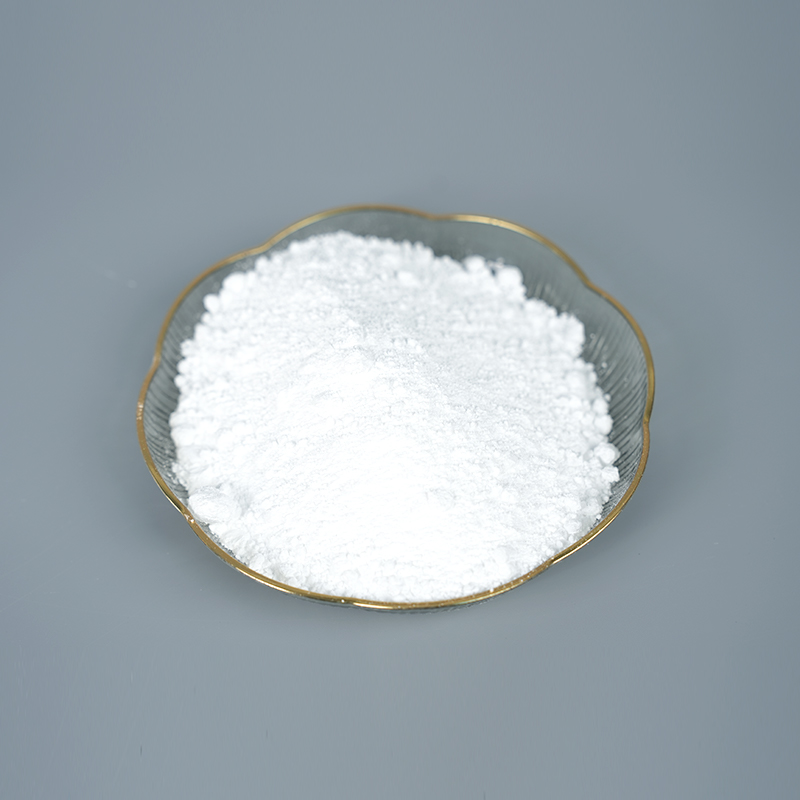
 Wholesale Paint/ Coating Additives Manufacturers
Custom Industrial Chemical Solutions Suppliers
Wholesale Paint/ Coating Additives Manufacturers
Custom Industrial Chemical Solutions Suppliers