


 русский
 Español
 Français
Home / News / Industry News / What Is Silicone Defoamer and How Does It Compare to Non Silicone Defoamer Solutions
Industry News

Content
Manufacturing a reliable Silicone Defoamers product is not simply a matter of blending oil and silica together. Every batch that leaves a production facility carries the weight of raw material selection, emulsification precision, and testing discipline. This section walks through how silicone based defoamer chemistry is actually engineered on the factory floor, how it compares against non silicone defoamer alternatives, and how processing teams handle liquid silicone degassing with vacuum equipment on a daily basis.
Production teams working with silicone defoaming agent formulations know that consistency matters more than any single performance claim. A drum that performs perfectly in the lab but varies from batch to batch on the production line creates far more downtime than a moderately effective product with tight quality tolerances. That is the standard manufacturing plants are held to when supplying silicone based defoamers for continuous industrial processes.
A finished silicone based defoamer is built from four functional components working together. Each one is sourced, tested, and blended under controlled conditions before a single drum is filled.
Polydimethylsiloxane forms the backbone of the formulation. Viscosity grades typically range from 350 cSt to 100,000 cSt depending on the target application, and the molecular chain length is selected to control spreading speed across the liquid surface.
Finely treated silica particles are dispersed into the silicone fluid to enhance foam-rupturing efficiency. The particle size and surface treatment determine how quickly bubbles collapse once the product contacts the foam layer.
For water-dilutable grades, a balanced non-ionic or mixed emulsifier package keeps the silicone phase stable in aqueous solution, preventing separation during storage or transport.
Mineral oil or water carriers, combined with anti-settling agents, keep the finished product pourable and homogeneous across a wide temperature range prior to dosing.
Factory formulation teams routinely benchmark silicone based defoamers against non silicone defoamer options before recommending a product line for a given process. The table below lists the operational parameters most relevant to production planning rather than general performance descriptions.
| Parameter | Silicone Based Defoamer | Non Silicone Defoamer |
| Typical Dosage Rate | 0.01% – 0.1% | 0.05% – 0.3% |
| Active Silica Content | 2% – 8% | Not applicable |
| Shelf Life | 12 – 24 months | 6 – 12 months |
| Viscosity Range | 300 – 5,000 mPa·s | 50 – 800 mPa·s |
| Pour Point | -20°C to -40°C | 0°C to -10°C |
| Ionic Character | Non-ionic | Anionic / Non-ionic |
| Recommended Storage | Sealed, 5°C – 35°C | Sealed, 5°C – 30°C |
Degassing liquid silicone before casting or molding is a routine operation in manufacturing environments. The procedure below reflects how production operators actually manage this step rather than a general theoretical outline.
The liquid silicone is poured into a container that occupies no more than half of the chamber volume, allowing room for expansion as trapped air rises. The chamber lid is sealed and checked for leaks before the pump is engaged.
Pressure is reduced in stages toward -0.09 MPa to -0.1 MPa. A sudden drop in pressure causes the liquid to foam upward and overflow the container, so operators monitor the rise closely during the first two minutes.
Depending on the viscosity of the batch, hold time under vacuum ranges from 3 to 15 minutes. Higher viscosity silicone requires longer hold times since trapped air migrates more slowly through denser fluid.
Pressure is returned to atmospheric levels gradually rather than all at once, preventing new microbubbles from being drawn back into the fluid surface.
Batches with high entrapped air content, particularly those mixed at high shear, may need a second vacuum cycle before casting proceeds.
Understanding how to make silicone defoamer at a production scale helps explain why quality varies so widely between suppliers. The general manufacturing sequence follows four stages.
Fumed or precipitated silica is surface-treated to make it hydrophobic, allowing it to disperse evenly through the silicone fluid instead of clumping or settling.
The treated silica is blended into polydimethylsiloxane under high-shear mixing to achieve a uniform paste, which forms the concentrated active base of the finished product.
For water-based grades, the active paste is emulsified with water and surfactants under controlled temperature to produce a stable, pourable liquid.
Each batch is tested for foam knockdown speed, particle size distribution, viscosity, and long-term phase stability before it is approved for filling and shipment.
Beyond common process examples, factories supplying industrial chemicals see steady demand for silicone based defoamer across several less frequently discussed sectors.
Pesticide and herbicide tank mixes generate foam during agitation and filling. A small dosage of silicone defoaming agent keeps spray tanks foam-free during field operations.
Drilling muds and completion fluids are treated with silicone based defoamers to control foam generated during high-pressure circulation.
Water-based adhesive formulations trap air during high-speed mixing, and silicone antifoam additives prevent pinholes from forming in the cured film.
Shampoo and lotion production lines use controlled amounts of silicone based defoamer to prevent excessive foam during filling and packaging.
Conformal coating and potting compounds require bubble-free application, making vacuum degassing and silicone defoaming agent additives standard steps in production.
Concrete and mortar admixture producers use silicone based defoamers to control entrained air introduced by other surfactant-based additives in the mix.
Polydimethylsiloxane, the core raw material in silicone based defoamer, is chemically stable and widely accepted in regulated applications including food-contact processing when used at the recommended dosage. As with any concentrated chemical additive, direct skin and eye contact should be avoided, and safety data sheets should guide handling procedures on the production floor.
Yes. The low surface tension and flexible molecular structure of silicone fluids allow them to spread rapidly across a foam layer and rupture bubble walls, which is the fundamental mechanism behind every silicone defoaming agent on the market.
Common defoamer bases include mineral oil, fatty acid esters, polyether compounds, and silicone fluids. Among these, silicone based defoamers are generally chosen where fast knockdown and long-term foam suppression are both required, while polyether and ester-based products are selected for specific regulatory or compatibility requirements.
Production facilities apply silicone based defoamer wherever mechanical agitation, chemical reaction, or high-speed filling introduces unwanted air, spanning everything from tank cleaning operations to pipeline flow assurance.
| Specification | Typical Value |
| Appearance | White to translucent liquid |
| Active Content | 10% – 30% |
| pH (1% Solution) | 6.0 – 8.0 |
| Solubility | Dispersible in water |
| Recommended Dosage | 50 – 500 ppm |
| Packaging Options | 25kg drum, 200kg drum, IBC tote |
Store drums between 5°C and 35°C, away from direct sunlight, to preserve emulsion stability and prevent premature separation of the silicone phase.
Keep containers tightly sealed when not in use, since prolonged exposure to air can affect the active silica dispersion in concentrated grades.
Each production batch of silicone based defoamer should carry a lot number linked to raw material certificates and internal test records for full traceability.
Before scaling up dosage in a new process, a small-scale jar test helps confirm compatibility and determine the minimum effective dosage for that specific system.
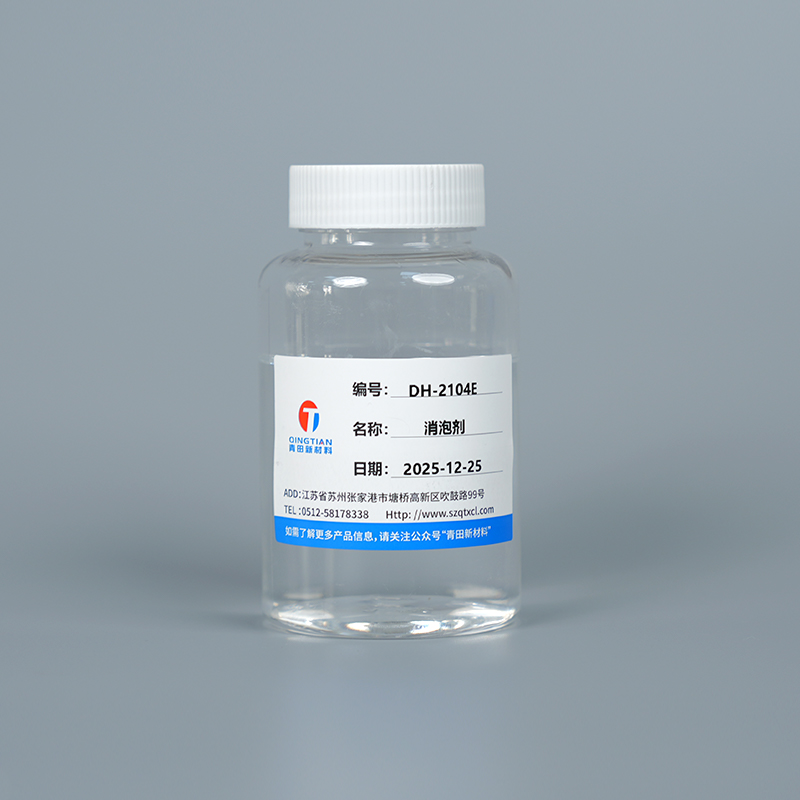
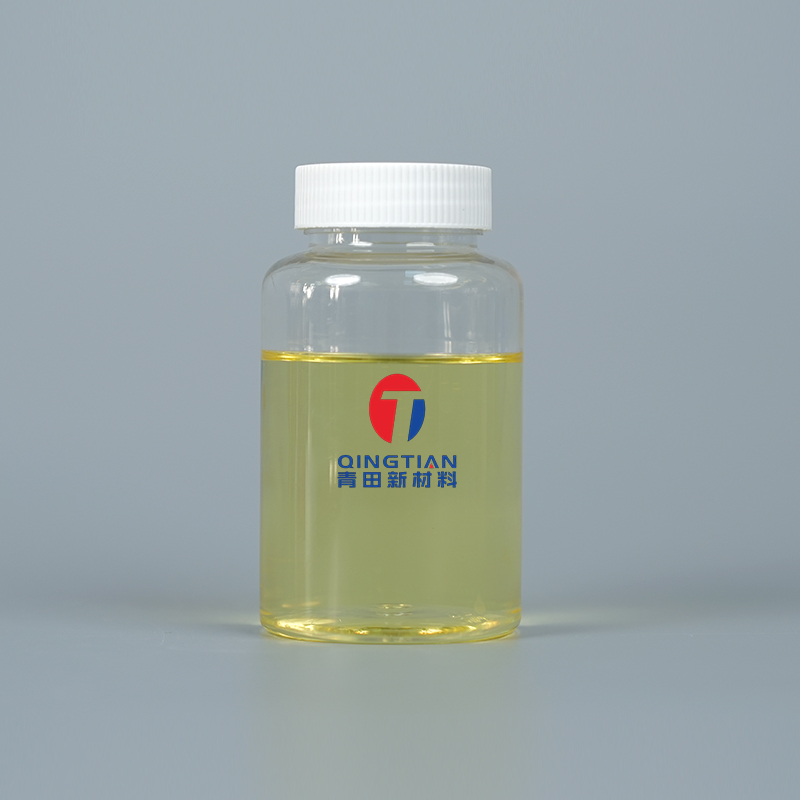
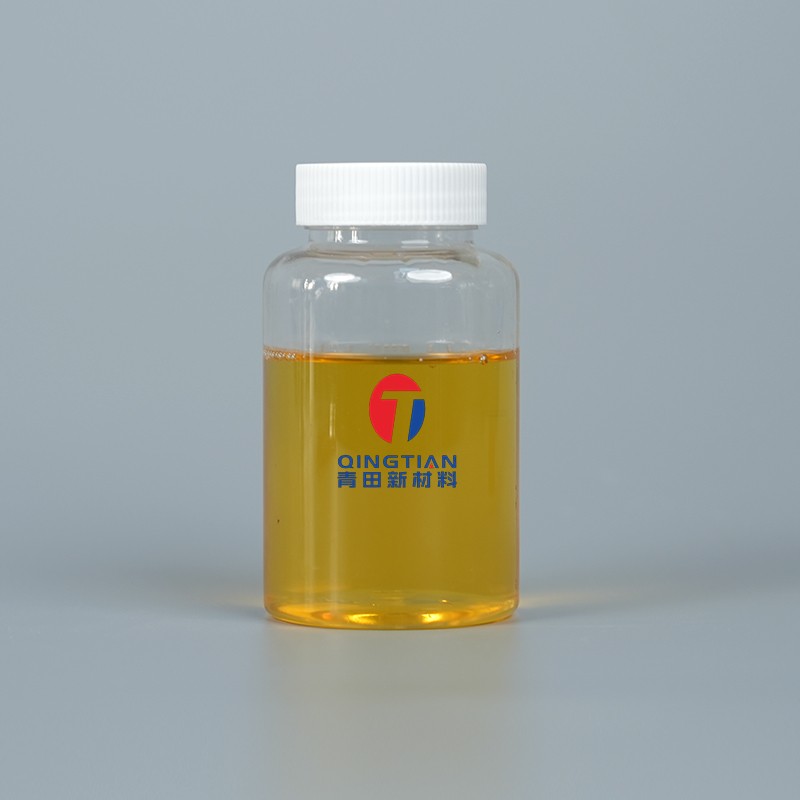
Formulated across multiple viscosity grades and active concentrations, our Silicone Defoamers line is manufactured under controlled batch conditions with documented testing for foam knockdown speed, viscosity stability, and shelf life, supporting processes across coatings, textiles, water treatment, and specialty chemical manufacturing.
Production teams evaluating a silicone based defoamer for a new line typically start with dosage trials at the lower end of the recommended range, increasing incrementally while monitoring foam behavior under actual line speeds rather than static lab conditions. This approach reduces both material cost and the risk of over-dosing, which can occasionally introduce surface defects in sensitive coating or casting applications.
 Wholesale Paint/ Coating Additives Manufacturers
Custom Industrial Chemical Solutions Suppliers
Wholesale Paint/ Coating Additives Manufacturers
Custom Industrial Chemical Solutions Suppliers