


 русский
 Español
 Français
Home / News / Industry News / Spray Coverage Was Uniform — Why Did Cratering Appear on the Interior Surface After Curing?
Industry News

When spraying has just been completed: film coverage is complete, surface state is uniform, wet film flow is normal. These characteristics only indicate that there were no obvious problems at the spray stage. As solvent evaporates and the film forms, hidden problems may gradually emerge. Therefore, uniform spraying does not mean the final film will definitely be cratering-free.
Automotive interior plastic parts during production and processing: may have residual mould release agent, surface oil contamination or dust, and fingerprint or other contamination effects. These low-surface-energy substances prevent the coating from wetting normally, causing the film to shrink outward in localised areas and form craters.
During film formation: the coating needs to fully wet the substrate, components continuously migrate and adjust, and surface tension continuously changes. If local surface tension is uneven, the coating is prone to shrinkage, forming "fish-eye" type defects.
The coating system typically needs: good wetting capability, appropriate leveling effect, and stable surface state. If additive matching is insufficient or system compatibility is poor, it may cause film surface tension imbalance, making cratering more likely to appear.
In actual production: oil mist contamination in the air, oil and water in compressed air, and insufficient spray booth cleanliness can all bring contaminants onto the film surface and affect normal coating spreading.
Automotive interiors typically involve primer, colour coat, and topcoat. If surface energy differences between different coatings are large, interlayer matching is insufficient, or drying time is unreasonable, subsequent coatings may also develop cratering.
Because when spraying has just been completed: the film is still in a mobile state, temporarily covering the surface, and defects have not yet fully formed. As solvent gradually evaporates, film viscosity continuously increases, and surface tension differences widen, localised shrinkage gradually becomes apparent.
Uniform spraying with cratering appearing on the interior surface is fundamentally the combined result of insufficient wetting, surface tension imbalance, substrate contamination, and system matching problems. When analysing interior cratering problems, in addition to focusing on spray technique, it is necessary to comprehensively evaluate substrate treatment, coating wettability, additive matching, and production environment.
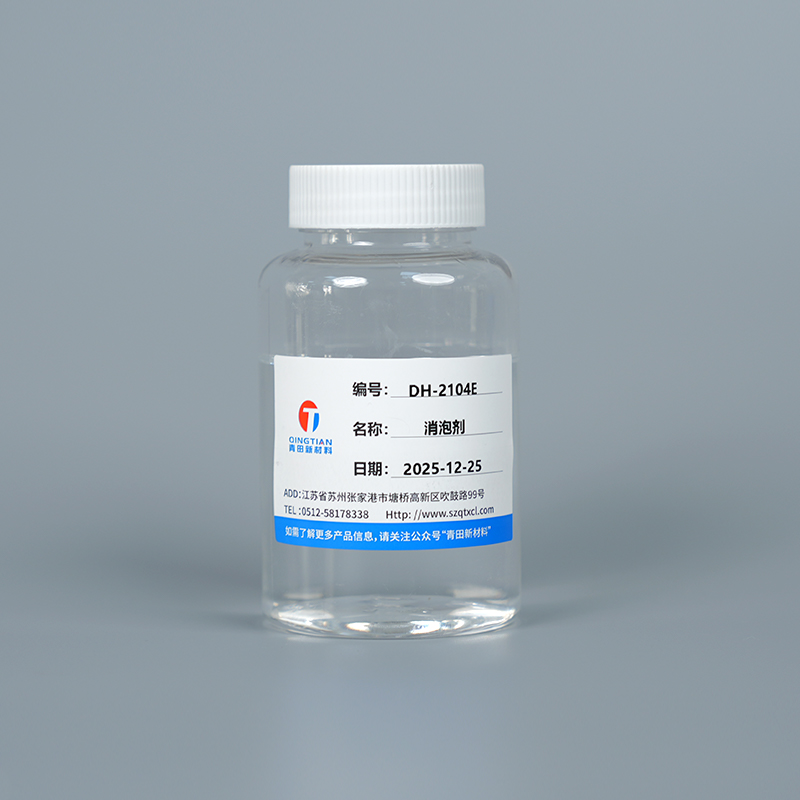
 Wholesale Paint/ Coating Additives Manufacturers
Custom Industrial Chemical Solutions Suppliers
Wholesale Paint/ Coating Additives Manufacturers
Custom Industrial Chemical Solutions Suppliers