


 русский
 Español
 Français
Home / News / Industry News / Waterborne Paint Settles During Storage — Where to Start with Anti-Settling Agent?
Industry News

Waterborne coatings in practical application frequently face two simultaneous problems: pigments and fillers gradually settle during storage; and after application to vertical surfaces, the wet film may flow downward due to strong fluidity. These two problems look different but both relate to the rheological state of the coating. Simply raising overall viscosity to address settling may compromise spray feel, spreading, and leveling — the better approach is to manage thixotropic structure, creating a system that holds structure at rest but flows readily under application shear.
When the liquid system lacks sufficient structural support, solid particles with density higher than the continuous phase gradually accumulate at the bottom during long static periods — especially in high-pigment-content formulations.
After spraying onto a vertical surface, the wet film is subject to gravity. If the coating lacks sufficient low-shear structure after application shear is removed, it flows downward and forms sagging runs.
Simply increasing thickener to address settling often raises overall viscosity more than necessary, compromising application feel, flow speed, and film surface appearance.
In waterborne metallic coatings, aluminium flake orientation is affected by the flow process during application. If the rheological structure changes, in addition to settling effects, aluminium flake arrangement and the final metallic effect may also be affected.
A thixotropic rheological structure has the characteristic that the material behaves differently when at rest and when subjected to shear. At rest, some structure is needed to help pigments and fillers maintain suspension and reduce the tendency for the wet film to flow downward. When equipment stirs or spraying is performed, the structure needs to open appropriately so the coating flows normally. Therefore, evaluating whether an anti-settling agent is appropriate cannot only observe settling after static standing — it must also assess application viscosity, leveling, sagging, and re-dispersibility after storage.
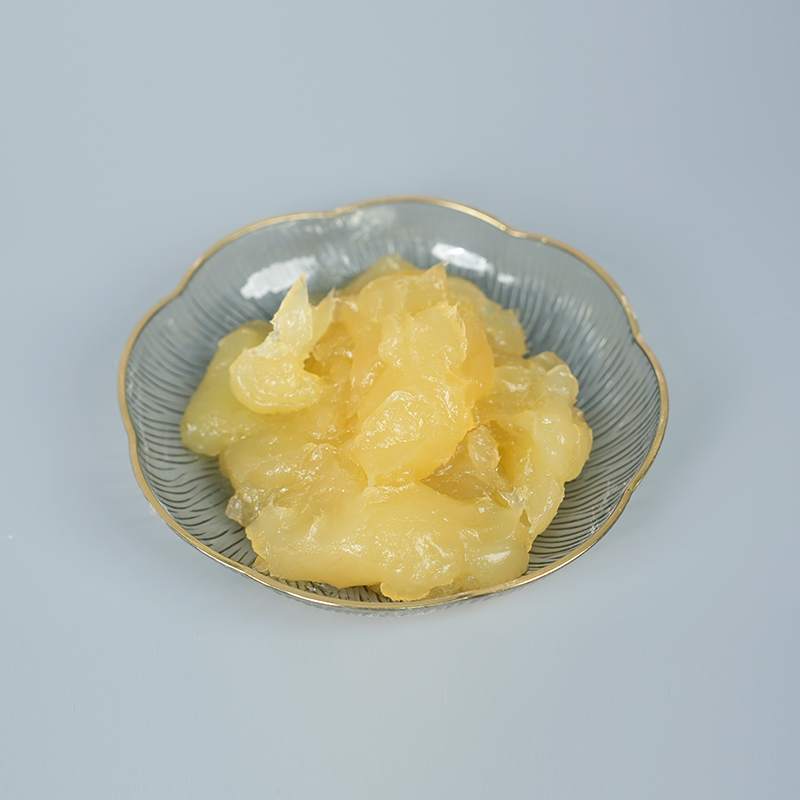
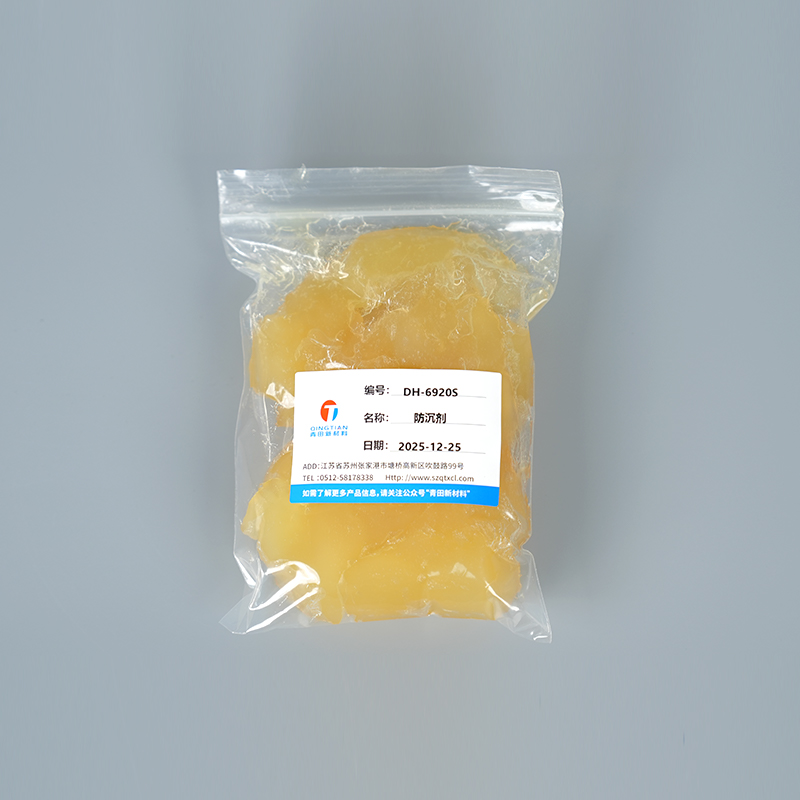
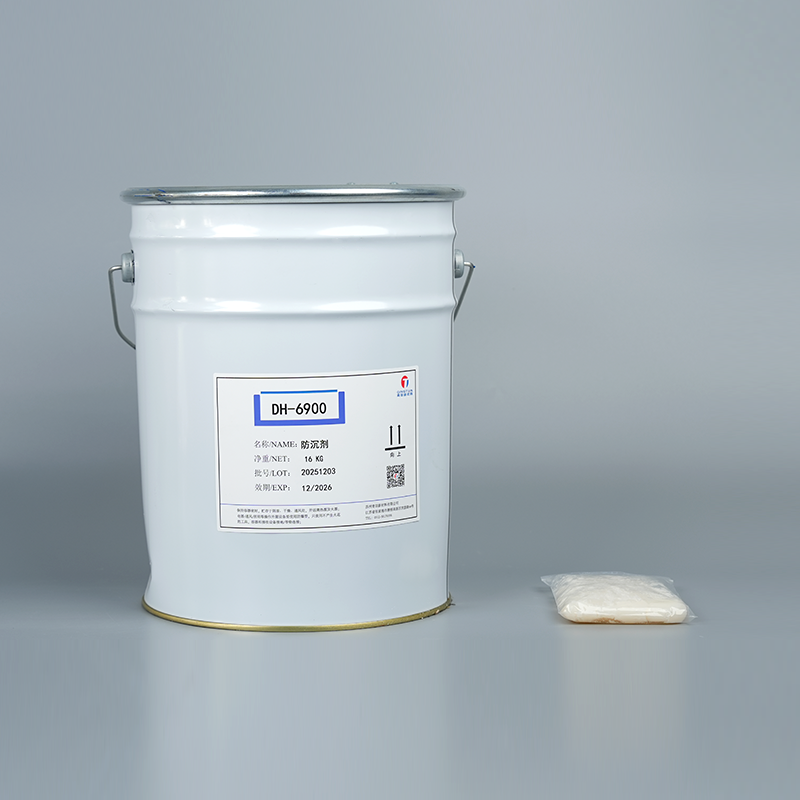
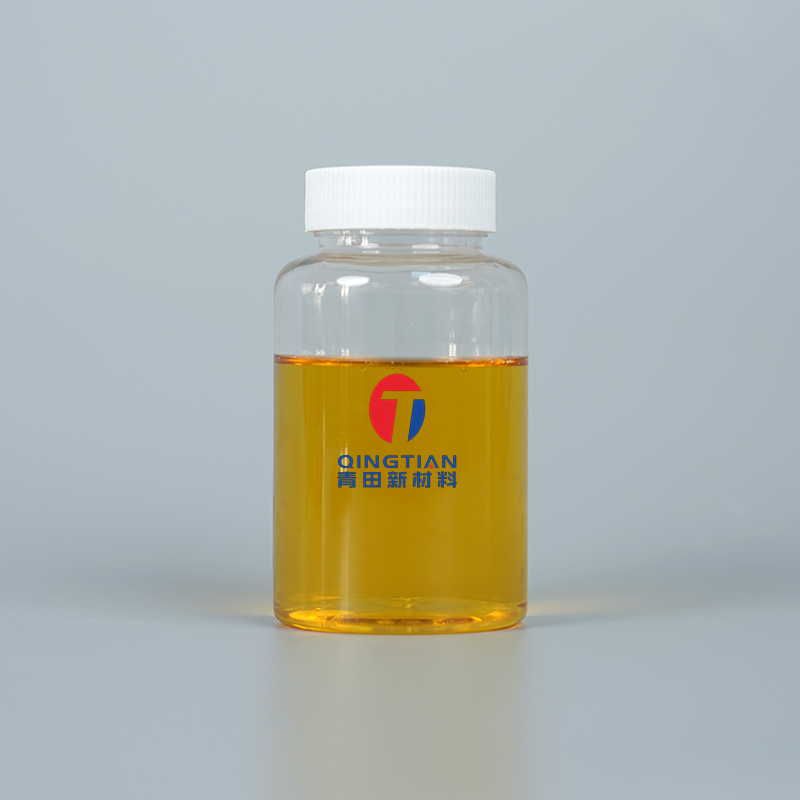
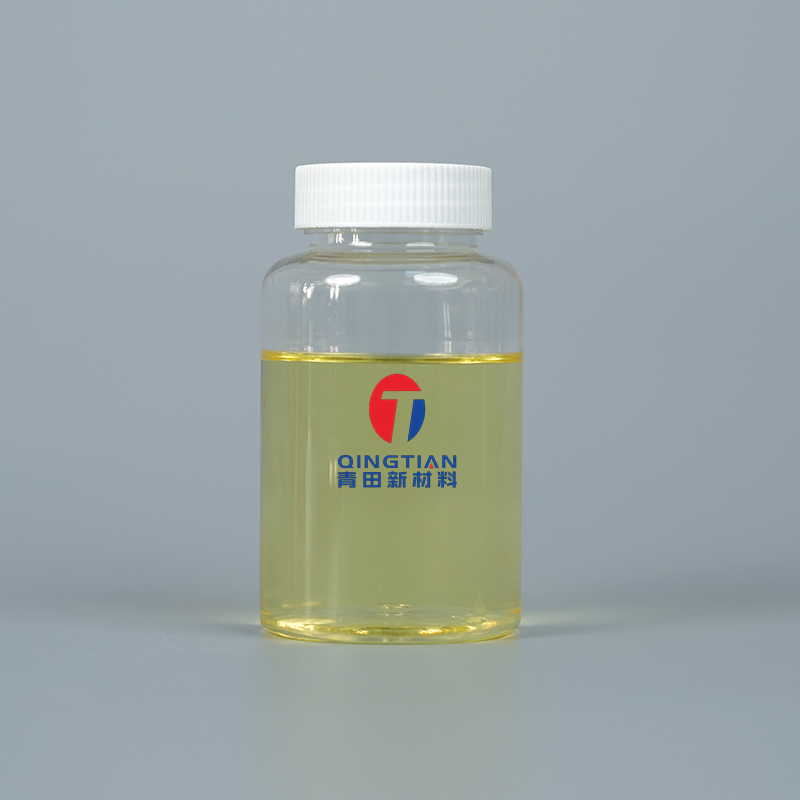
DH-6930S is a waterborne anti-settling agent primarily used for rheological structure adjustment in waterborne coatings — applicable for anti-settling and anti-sagging formulation development. In waterborne metallic coatings it can also be tested in combination with aluminium flake arrangement state.
In use, preparing a 20%–30% pre-gel first, then adding to the coating is recommended. Pre-gel preparation can use a high-speed disperser at approximately 1500 RPM for 20–30 minutes. The disperser disc position should be managed during processing to minimise air incorporation. Addition level can be gradient-tested according to formulation conditions, with a reference range of 0.5%–5.0%. DH-6930S is recommended for use at pH ≥ 8.
Anti-settling and anti-sagging in waterborne coatings is not simply a matter of making the paint denser. What truly needs attention is how the material's rheological state changes across static standing, stirring, and application. Formulation adjustment can progressively test thixotropic structure, addition ratio, dispersion method, and pH. For waterborne metallic coatings, aluminium flake arrangement, gloss, and film state can be additionally evaluated alongside anti-settling and anti-sagging performance.
 Wholesale Paint/ Coating Additives Manufacturers
Custom Industrial Chemical Solutions Suppliers
Wholesale Paint/ Coating Additives Manufacturers
Custom Industrial Chemical Solutions Suppliers