


 русский
 Español
 Français
Home / News / Industry News / The Paint Film Was Flat, Complete, and Fully Adhered — So Why Did Blisters Appear After the Salt Spray Test?
Industry News

In automotive coatings, anti-corrosion paints, industrial equipment coatings, and metal protective systems, a situation arises consistently: after application the film appears complete, the surface is flat, and there are no obvious defects — but after a period of salt spray testing, the film surface develops blistering, doming, and sometimes localised delamination.
In most cases, this type of failure is not caused by poor surface quality of the film itself. It is the result of moisture, salt ions, and interfacial defects acting together over time under salt spray exposure conditions, causing the protective capability of the coating to gradually decrease.
The initial state of the coating — continuous surface, flat appearance, normal adhesion — only indicates that the film formation stage had no obvious problems. It does not confirm long-term corrosion resistance capability. A complete film at application does not mean it will not fail after exposure to a salt spray environment.
In actual application, the film interior may contain micro-pores, and small defects may exist at the coating interface. Local areas may have differences in protective capability. These problems — invisible to the naked eye — can become pathways for moisture and salt ion ingress in a salt spray environment.
During salt spray testing, moisture gradually enters the coating interior and salt ions continuously migrate toward the interface. The metal substrate may undergo corrosion reactions at the interface. As corrosion products accumulate, interfacial bond strength decreases, eventually causing the film to blister.
A good anti-corrosion coating typically requires low moisture vapour permeability, a stable film structure, and good barrier capability. If the coating structure is insufficiently dense, external media can enter the interior more easily, accelerating the failure process.
Even if the film itself is complete, if the substrate cleaning is insufficient, the surface has oil contamination, pre-treatment is inadequate, or the surface roughness is unsuitable, the stability of the bond between coating and substrate is reduced — making blistering after salt spray testing more likely.
In the early stages of testing, the film may maintain normal appearance and corrosion reactions may not yet be obvious. As exposure time increases, moisture continues to permeate, corrosion progressively develops, and interfacial bonding continuously weakens — eventually presenting as film blistering, cracking, or delamination.
When the coating has just been completed, the film structure has not yet been damaged, the protective barrier is intact, and the corrosion process has not yet begun. After extended salt spray action, salt ions continuously penetrate, interfacial defects progressively enlarge, and corrosion products continuously accumulate — problems only gradually become apparent.
A complete film after salt spray testing developing blistering is fundamentally the result of moisture permeation, salt ion ingress, interfacial bonding weakening, and coating barrier performance acting together. When analysing salt spray blistering, in addition to evaluating film appearance, it is also necessary to comprehensively assess coating density, substrate preparation quality, interfacial bonding, and long-term anti-corrosion stability.
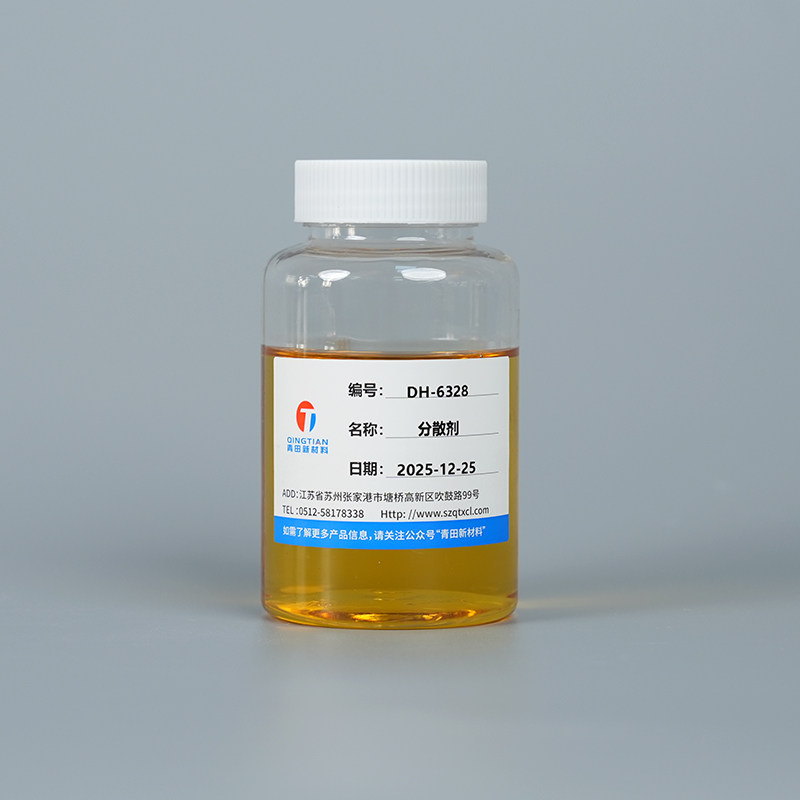
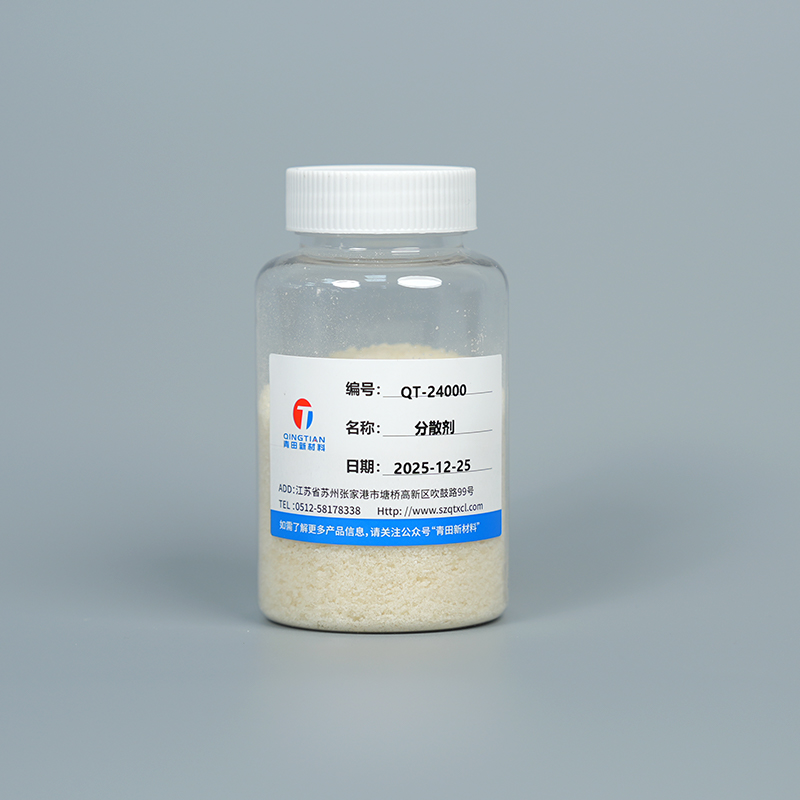
 Wholesale Paint/ Coating Additives Manufacturers
Custom Industrial Chemical Solutions Suppliers
Wholesale Paint/ Coating Additives Manufacturers
Custom Industrial Chemical Solutions Suppliers