


 русский
 Español
 Français
Home / News / Industry News / Why is the paint film prone to developing depressions and losing its gloss
Industry News

Different pigments separate from each other within the wet film, creating visible color shifts or streaks across the surface — most noticeable in multi-pigment formulations.
The finished film appears duller than expected, with surface gloss falling short of the target specification.
Pigment particles re-agglomerate during storage, leading to a gritty texture, increased viscosity, or hard sediment at the bottom of the container.
Surface roughness or unevenness can appear alongside color variation, particularly across larger application areas or between batches.
Extending grind time or increasing resin content are common ways to try to improve pigment dispersion, and they can help to a degree — but pigment particles have a natural tendency to re-agglomerate over time. Mechanical dispersion alone often can't maintain a stable state long-term, which is why flooding, coarsening, and settling tend to reappear during storage even after a formulation initially looked fine.
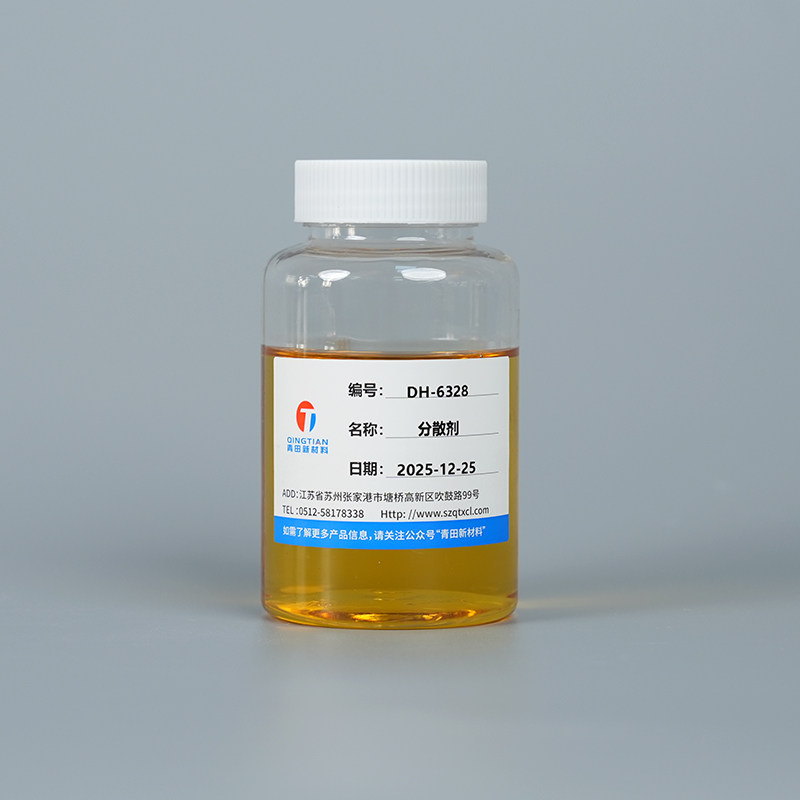
DH-5033 uses a polymer design with specialized pigment-affinic groups to strengthen the interaction between pigment particles and the resin system. This improves wetting and dispersion efficiency across a wide range of pigment types, helping the system maintain a more uniform and stable state over time.
| Water Resistance | Helps support improved water resistance of the cured film |
| Hardness | Can contribute to a harder, more durable film surface |
| Adhesion | Supports overall adhesion performance alongside dispersion benefits |
| Weathering Resistance | Helps improve the film's resistance to long-term outdoor exposure |
| Rescue for Flocculated Systems | Can be considered as part of a corrective approach for systems that have already developed flocculation or gelling issues |
Can DH-5033 be added to a system that has already started to gel or flocculate?
It can be considered as part of a corrective adjustment for systems already showing flocculation or gelling, though results will depend on how far the condition has progressed — early intervention generally gives better outcomes.
Will it change the gloss level of my existing formulation?
Improved dispersion often supports higher and more consistent gloss, so some formulations may see a gloss increase. Trial testing against your current standard is recommended to confirm the effect at your target dosage.
Is it suitable for both organic and inorganic pigments?
Yes, its pigment-affinic design has been evaluated across both inorganic pigments such as titanium dioxide and iron oxide, and organic pigment types.
Does using DH-5033 reduce the need for long grinding times?
Many users find that improved wetting efficiency can shorten the time needed to reach target fineness, though actual grind time reduction depends on the specific pigment, equipment, and target fineness.
Color flooding, floating, gloss loss, and progressive settling are dispersion-related issues that mechanical grinding alone often can't resolve over the long term.
Dealing with color flooding, gloss loss, or settling in your pigmented system? Request a technical data sheet or sample of DH-5033 for evaluation.
Explore Pigment Dispersants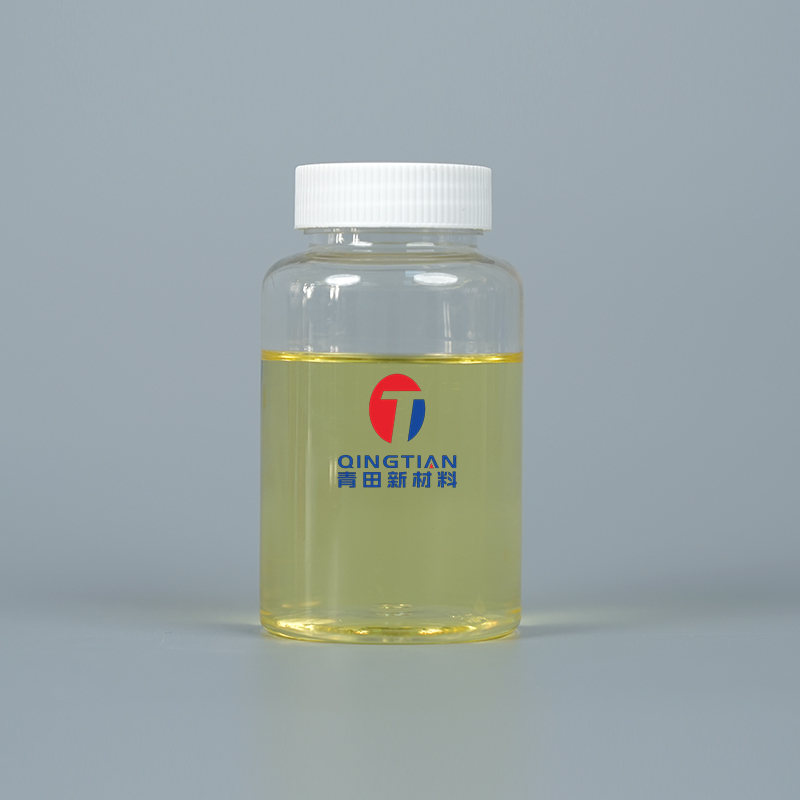
 Wholesale Paint/ Coating Additives Manufacturers
Custom Industrial Chemical Solutions Suppliers
Wholesale Paint/ Coating Additives Manufacturers
Custom Industrial Chemical Solutions Suppliers