


 русский
 Español
 Français
Home / News / Industry News / Coating Adhesion Keeps Failing on PP and PE — Why the Fix Starts Before You Spray
Industry News

When adhesion on PP, PE, POM, EPDM rubber, or stainless steel consistently falls short — even after switching coatings or raising crosslinker ratio — the problem usually does not live in the coating. It lives in the gap between a chemically inert substrate surface and a coating system that was designed to bond to a much more reactive one.
Surface energy is the measure of how readily a liquid or coating can spread on and interact chemically with a solid surface. Polyolefins such as PP and PE have surface energies of around 29–36 mN/m — well below the 38–40 mN/m threshold at which most coating systems can form adequate contact and bonding. Stainless steel, POM, and EPDM rubber each present their own barriers: passivated oxide layers, crystalline surfaces, or chemically inert elastomeric chemistry that conventional coatings cannot penetrate or bond to reliably.
Non-polar polyolefin surfaces with surface energy below 36 mN/m — most coating binders cannot wet or bond effectively without surface activation
Highly crystalline polymer surface with low chemical reactivity — bonding sites are scarce and coatings have limited ability to anchor
Elastomeric surface with non-polar saturated backbone — inherently incompatible with the polar functional groups most coating adhesion mechanisms rely on
Passive chromium-oxide surface layer that is chemically stable and low in reactive bonding sites — the same property that prevents corrosion also limits adhesion
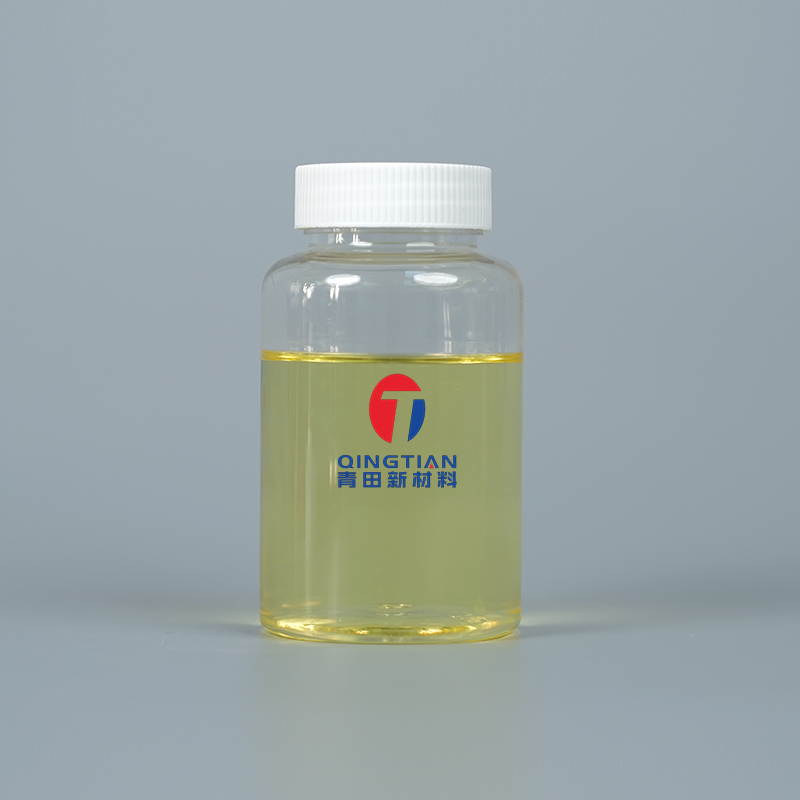
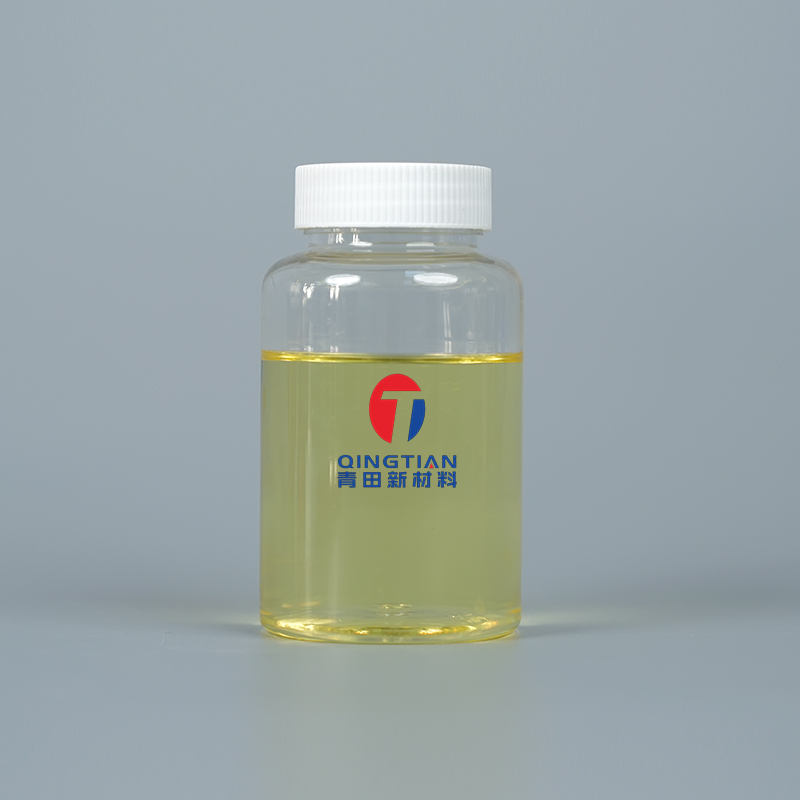
DH-7208 is a halogen-free special graft copolymer designed for surface pre-treatment of difficult-to-coat substrates — PP, PE, POM, EPDM rubber, and stainless steel — before the application of PU coatings, thermoplastic coatings, or vacuum plating processes. By treating the substrate surface prior to coating, it creates a chemically compatible interface that the topcoat or plating layer can bond to reliably and durably.
| PP (Polypropylene) | Primary target substrate — provides the surface activation that PP's low surface energy cannot offer on its own |
| PE (Polyethylene) | Similar mechanism to PP; HDPE and LDPE both respond to pre-treatment with improved coating adhesion |
| POM (Polyacetal / Delrin) | Crystalline surface becomes more receptive to coating after pre-treatment, improving adhesion consistency |
| EPDM Rubber | Elastomeric substrate pre-treatment improves bonding for coatings and overlays on rubber seals and components |
| Stainless Steel | Reduces the barrier presented by the passive oxide layer, supporting better interfacial bonding for topcoats |
| PU & Thermoplastic Coatings | Compatible with standard PU topcoat and thermoplastic coating systems applied after pre-treatment |
| Vacuum Plating | Creates a stable base for vacuum metallisation processes, improving plating adhesion and durability |
DH-7208 is halogen-free and formulated to meet RoHS and PFAS-related requirements — supporting the regulatory compliance needs of automotive, consumer electronics, and medical device coating applications.
Adhesion failures on PP, PE, POM, EPDM, and stainless steel are fundamentally substrate surface problems — not coating problems. The solution starts before the spray gun is picked up.
 Wholesale Paint/ Coating Additives Manufacturers
Custom Industrial Chemical Solutions Suppliers
Wholesale Paint/ Coating Additives Manufacturers
Custom Industrial Chemical Solutions Suppliers