


 русский
 Español
 Français
Home / News / Industry News / Carbon Black Has Been Ground for a Long Time — Why Is Fineness Still Not Improving?
Industry News

In epoxy floor coatings, industrial coatings, and related inks, black colour paste is widely used. What looks like simply grinding carbon black into resin frequently presents challenging production problems: viscosity rising noticeably when carbon black is added; grinding time already extended but fineness not improving; state looking normal right after production but re-coarsening or viscosity change appearing after storage. These phenomena do not necessarily mean the grinding equipment has a problem. Carbon black's own particle structure, surface properties, and addition level all affect the dispersion process.
Carbon black particles are very fine and easily form inter-particle network structures at higher addition concentrations. If wetting is not ideal, paste flowability drops rapidly. Simply adding more resin to dilute reduces pigment concentration and affects colour paste use cost.
Grinding equipment provides mechanical action to progressively open larger agglomerates. But if wetting between carbon black and grinding base resin is poor, extending grinding time may not bring the expected change — and may increase equipment wear and energy consumption.
Low-surface carbon black and high-surface carbon black differ in particle state and specific surface area. Especially high-surface carbon black — at the same addition ratio, its demand for dispersant may increase significantly. After switching carbon black grade, the original dispersant addition ratio should not be directly copied.
If the dispersion state does not maintain stability, pigment may re-agglomerate during storage — manifesting as re-coarsening, sedimentation, or viscosity change. Paste evaluation cannot only check fineness right after production.
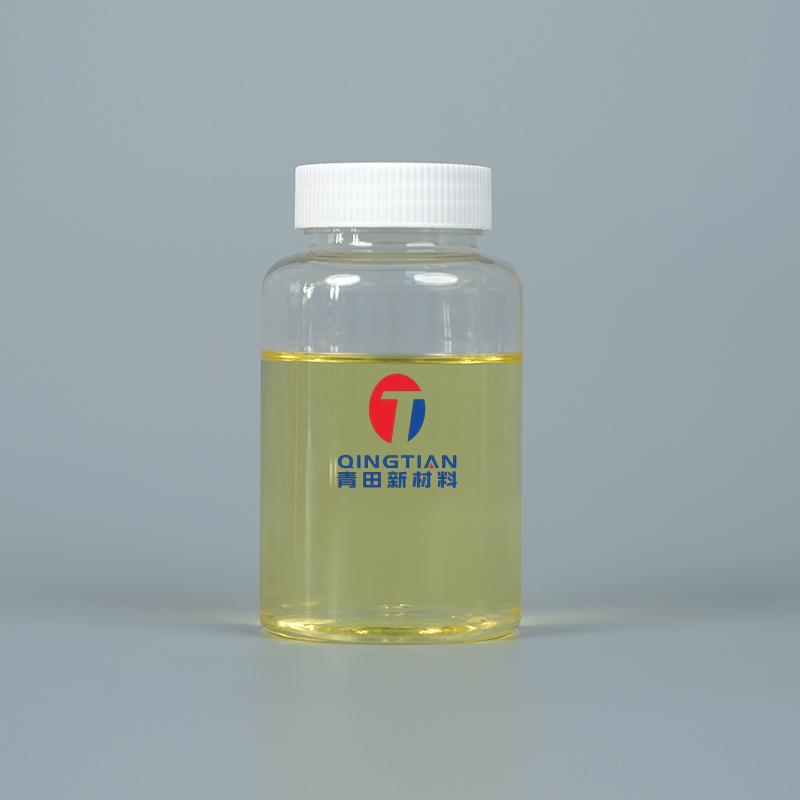
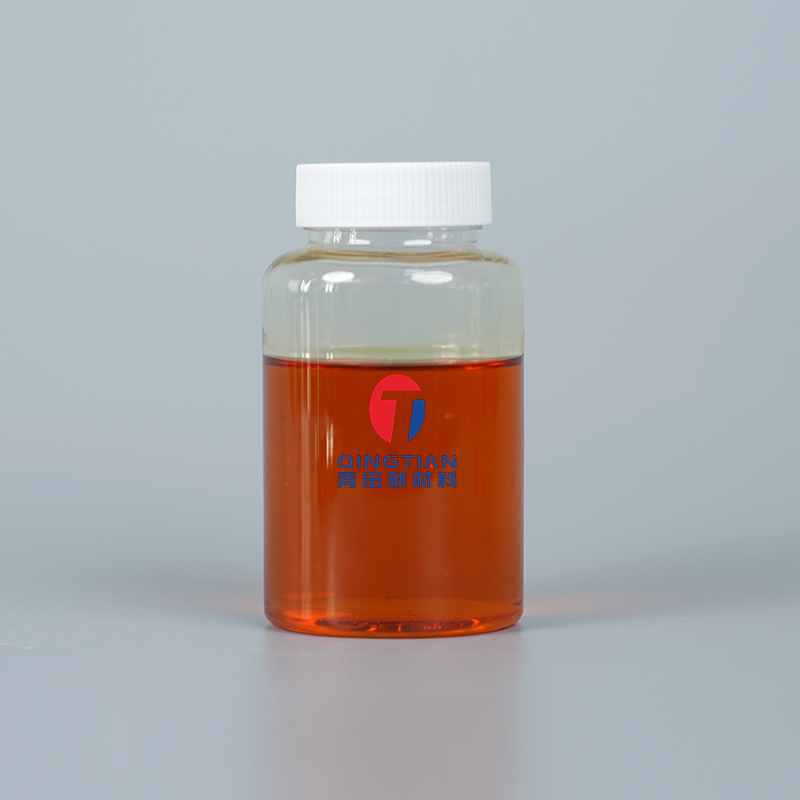
DH-6200 is a dispersant suited for epoxy systems — applicable for carbon black and organic pigment grinding dispersion, and also suitable for solvent-free epoxy black colour paste, unsaturated resin colour paste, and polyether/polyester polyol colour paste formulations.
In use, DH-6200 can first be added to the grinding base resin mixture, then carbon black or organic pigment added for grinding — allowing the dispersant to participate in pigment wetting at the start of grinding. Reference addition ranges by pigment type: inorganic pigments 7%–15%; low-surface carbon black 10%–20%; high-surface carbon black 40%–80%. Beyond epoxy coatings, DH-6200 can also be applied to carbon black and organic pigment dispersion in alkyd and polyurethane related ink systems.
In actual testing, setting different addition ratios for comparison and simultaneously observing grinding fineness, paste viscosity, colour development state, and post-storage changes, then confirming the appropriate ratio for the current formulation, is recommended.
Epoxy black colour paste developing high viscosity, slow fineness reduction, or re-coarsening after storage is not simply a grinding problem. Carbon black grade, addition concentration, resin properties, and dispersant matching all affect the final colour paste state. Especially in high-concentration carbon black formulations, different carbon blacks may have significantly different dispersant requirements. After switching pigment grade, the dispersant addition ratio needs re-evaluation. Testing should include storage state alongside initial fineness as part of the complete evaluation.
 Wholesale Paint/ Coating Additives Manufacturers
Custom Industrial Chemical Solutions Suppliers
Wholesale Paint/ Coating Additives Manufacturers
Custom Industrial Chemical Solutions Suppliers