The performance of waterborne industrial and wood coatings is closely tied to resin type, crosslinking method and film-forming conditions. A formulation must consider gloss and hardness as well as water resistance and chemical resistance. QT-8546W is a waterborne acrylate dispersion for ambient-cure or bake-cure two-component polyurethane systems, offering one resin option for waterborne coating formulations.
A good-looking film does not mean every property is met
In waterborne industrial and wood coating formulations, gloss, hardness, water resistance and chemical resistance are all indicators to watch. Some formulations look good on the test panel and have some surface hardness, yet after water immersion, contact with cleaners or other media tests, the film can still change. Different properties are influenced by different factors.
The resin sets the basic conditions for film formation and crosslinking, while curing method, additive combination and application environment also shape the final result. Resin selection for waterborne coatings must therefore be judged together with the end use and target performance.
What to watch in formulation design
Problem
Cause
What to check
GlossGloss depends on more than the resin.
It is also affected by coating smoothness, pigment and filler dispersion and application conditions. Poor fit between resin and other components, or insufficient leveling and surface defects, can hurt final gloss even when the resin forms film well.
Prepare panels under the same application and drying conditions, then compare gloss and appearance within the actual formulation.
HardnessHardness must be read with film formation and crosslinking.
Hardness relates to resin structure, the film-forming process and degree of crosslinking. In two-component polyurethane systems, the pairing of resin and curing agent also affects the final film.
Check adhesion, flexibility and other service requirements alongside surface hardness. Set requirements from the workpiece use and evaluate with hardness, adhesion and related durability tests.
ResistanceWater and chemical resistance depend on real service conditions.
Resistance to water and other chemicals relates to resin structure, crosslinking state and film integrity. Industrial coatings may meet water, cleaners or working media; wood coatings may face daily wiping and liquid contact. Appearance and hardness cannot predict media resistance.
Set test conditions to match the use, and record loss of gloss, whitening, blistering, softening or changes in adhesion.
Directions for evaluating waterborne resins
1Define the application first
Substrates, application methods and service environments differ between waterborne industrial and wood coatings. Ambient-cure and bake-cure systems have their own application and curing conditions, so one set of evaluation standards cannot be applied to both.
Appearance, hardness, adhesion and media-resistance requirements the coating must reach.
2Adjust to the curing method
Two-component polyurethane involves resin and curing agent working together. Curing agent type, ratio and application conditions are confirmed from the resin hydroxyl content, solids content and the product technical requirements.
For baking, assess film results at the actual bake temperature and time. For ambient cure, watch pot life, surface-dry and through-dry progress, and how performance changes with curing time.
3Confirm with panel tests
Product specifications help judge basic characteristics, but the final performance of a given formulation still has to be determined by testing.
Under unified application conditions, test gloss, hardness, adhesion, water resistance and chemical resistance separately. If one item falls short, adjust resin and curing agent match, film-forming conditions and additives step by step.
QT-8546W waterborne acrylate dispersion: application reference
QT-8546W is a waterborne acrylate dispersion suited to ambient-cure or bake-cure two-component polyurethane systems, and can be used in waterborne industrial and wood coating formulations. According to the product data, coatings made with this resin show good gloss, hardness, water resistance and chemical resistance. Actual results must still be verified against formulation composition, curing agent pairing and application conditions.
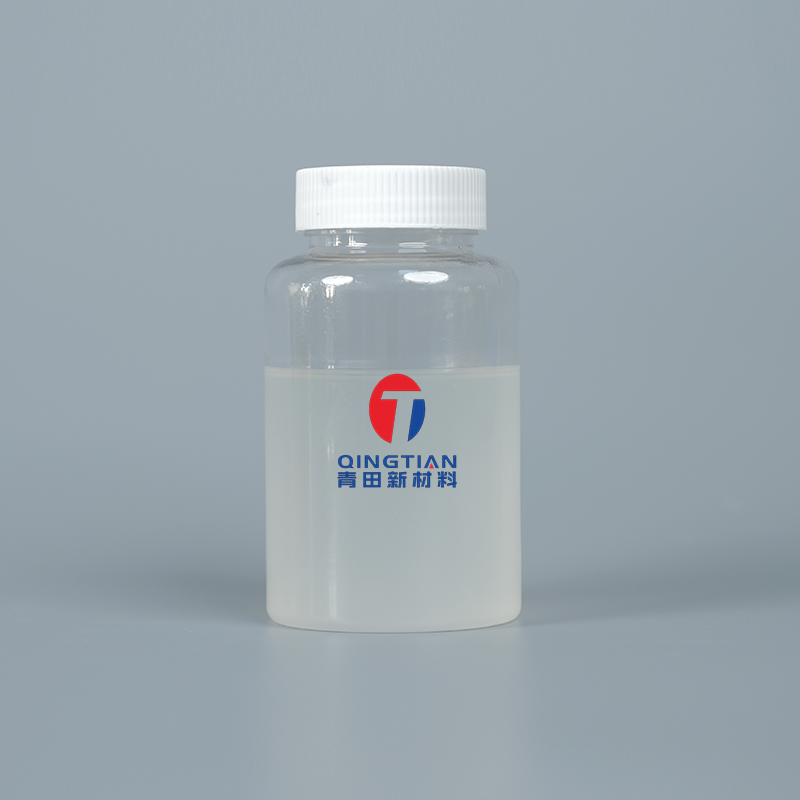
AppearanceMilky white liquid
Solids content45% ± 2
Viscosity300-3000 cP (25 °C)
Acid value17-23 mg KOH/g (solid)
pH6.5-8.5
Hydroxyl value (on solids)110 ± 10
Formulation suggestions: confirm the curing system (curing agent type, ratio and application requirements from the technical data); match application conditions (verify ambient cure and bake cure separately, watching drying progress and final film state); run performance comparisons (put gloss, hardness, water resistance and chemical resistance into one evaluation process); and check formulation fit (after adding pigments, fillers and other additives, re-observe system stability, application behavior and film formation).
The specific ratio, curing agent choice and application parameters for QT-8546W should be based on the full technical documentation and actual test results; a general ratio should not be inferred from the hydroxyl value.
Frequently Asked Questions
Does good gloss and hardness mean good water resistance? No. Different properties are influenced by different factors, so media resistance cannot be inferred from appearance and hardness.
What is QT-8546W used for? It is a waterborne acrylate dispersion for ambient-cure or bake-cure two-component polyurethane systems, used in waterborne industrial and wood coatings.
Can a curing agent ratio be derived from the hydroxyl value? No. Ratio, curing agent choice and application parameters should follow the full technical documentation and actual tests.
How should panels be tested? Prepare them under unified application conditions and test gloss, hardness, adhesion, water resistance and chemical resistance separately.
Summary. Formulation design for waterborne industrial and wood coatings starts from resin characteristics while considering curing method, application conditions and end-use requirements. Gloss, hardness, water resistance and chemical resistance cannot simply be equated and must be judged by their own tests. QT-8546W offers one resin option for ambient-cure or bake-cure two-component polyurethane systems; verify with panel tests, curing agent pairing and target properties before settling on a project formulation.


 русский
 Español
 Français

 Wholesale Paint/ Coating Additives Manufacturers
Custom Industrial Chemical Solutions Suppliers