


 русский
 Español
 Français
Home / News / Industry News / Waterborne Coating Thickener Compatibility Problems — How to Find a Better Solution?
Industry News

In the processing and application of waterborne coatings, poor thickener compatibility is a widespread industry problem, easily causing unstable coating state and poor application feel. Common problems in production include: viscosity imbalance, disordered flow state, and uneven brushing texture. Most of these problems stem from the performance limitations of the thickener additive — ordinary thickening products cannot balance viscosity adjustment with smooth application feel, while also falling short in weather resistance, dirt resistance, and other ancillary performance.
After the thickener is added, system viscosity fluctuates, making it difficult to maintain a stable state during production and storage.
Some thickening products only raise coating viscosity but disrupt the original flow and leveling state — the film becomes stiff after application.
After the coating is formed, it is easily affected by water, alkali environments, friction, and dirt — developing whitening, powdering, and soiling. Traditional thickeners cannot provide good protective properties for the film.
Some thickeners have poor compatibility and, after being incorporated into the waterborne coating, are susceptible to electrolyte and microbial influences — developing layering, spoilage, and viscosity fluctuation during long-term storage.
Currently commonly used ordinary thickener additives have prominent overall application limitations and cannot balance the stability of the coating throughout processing, application, and storage. Most traditional products have single-function attributes — they provide basic thickening action but cannot balance the leveling and flow performance of the coating, easily causing the coating viscosity to meet the target but the application feel to be poor. Traditional thickeners also have weak environmental resistance — when facing electrolyte, microbiological, and acid-alkali environmental interference, performance easily declines, causing coating system state to fluctuate.
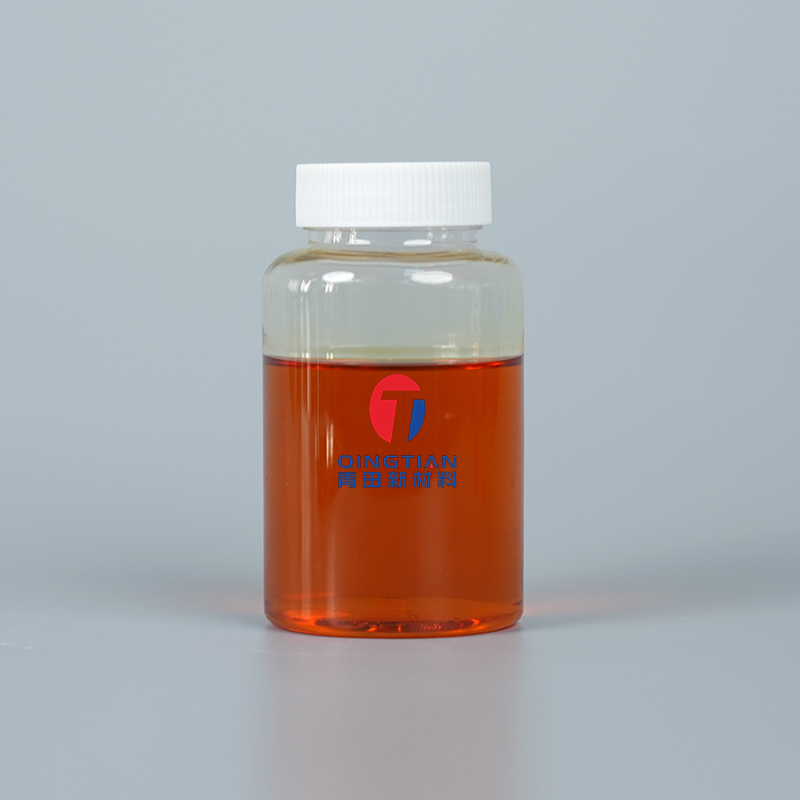
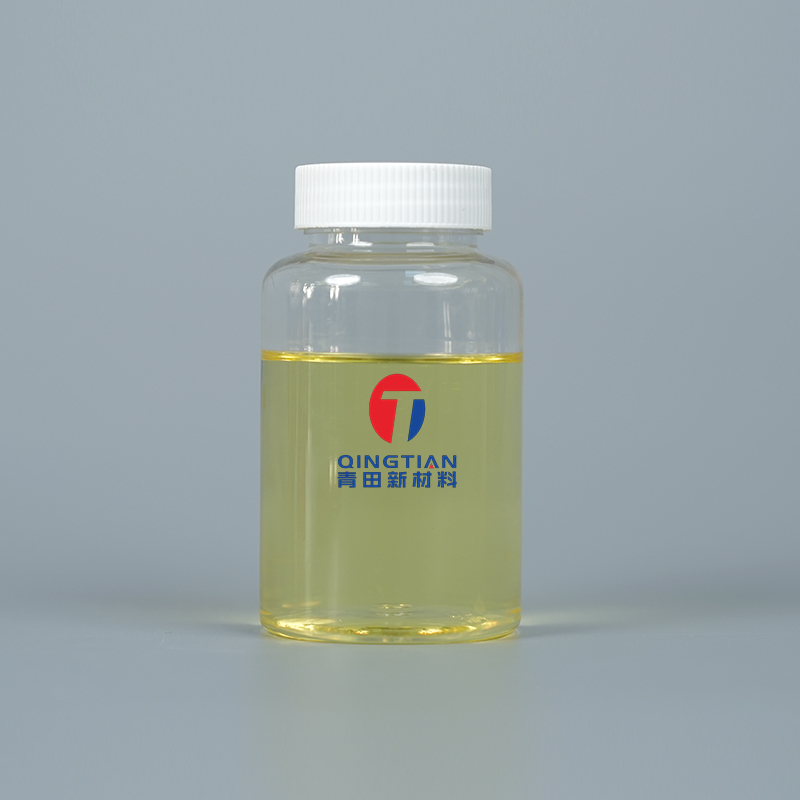
DH-7213S is a hydrophobic-group-modified anionic acrylic thickener, in milky-white liquid form, with content in the 90–92% range and moderate acidity/alkalinity — compatible with the vast majority of waterborne coating systems.
In terms of basic performance, this thickener combines thickening, leveling, and flow in three attributes — avoiding the problem of stiff fluids after thickening that traditional additives create, allowing the coating to maintain a smooth application state while raising viscosity. The product achieves rapid thickening and setting, compatible with industrial batch production requirements.
In terms of durability performance, the product's built-in water resistance, alkali resistance, washability, and dirt resistance can optimise film formation texture and improve the coating product's environmental adaptability. It also has outstanding high-shear viscosity adjustment and electrolyte resistance, maintaining stable coating viscosity even in complex system environments. The product is free of formaldehyde, APEO, kerosene, and other harmful substances. Reference dosage: 0.3%–2% of total formulation, pre-diluted with water before addition.
The thickener's role is not just to raise viscosity — it also needs to simultaneously maintain coating flow, leveling, storage stability, and film durability. For waterborne coatings, the appropriate thickener should improve the coating state while minimising negative impact on application feel and film appearance, achieving a balance between thickening performance and comprehensive application performance.
 Wholesale Paint/ Coating Additives Manufacturers
Custom Industrial Chemical Solutions Suppliers
Wholesale Paint/ Coating Additives Manufacturers
Custom Industrial Chemical Solutions Suppliers