


 русский
 Español
 Français
Home / News / Industry News / How a Dispersant Can Fix Leveling, Foam and Application Problems in Waterborne Coatings
Industry News

Pigment and filler wetting happens at the very start of the production process, but its effects show up much later — at the point of application. If particles are not wetted efficiently, the system carries that inefficiency forward into every later stage of processing and application.
| Leveling Quality | Insufficient wetting leaves micro-scale surface irregularities that show up as uneven leveling once the film is applied |
| Pigment & Filler Wetting | Slow or incomplete wetting reduces overall dispersion efficiency and can affect long-term system stability |
| Foam Behavior | Air introduced during high-shear mixing is harder to release when wetting is poor, leaving microfoam in the final film |
| Application Window | Waterborne systems already have a narrower application window than solventborne; poor wetting narrows it further |
It's common to respond to leveling problems by adjusting application technique, adding more wetting agent at the letdown stage, or extending mix time. These adjustments can mask the symptom locally, but if the pigment and filler surfaces were not wetted efficiently from the start, flow, foam, and application stability cannot all be addressed at once through process changes alone — the fix needs to happen at the dispersion stage.
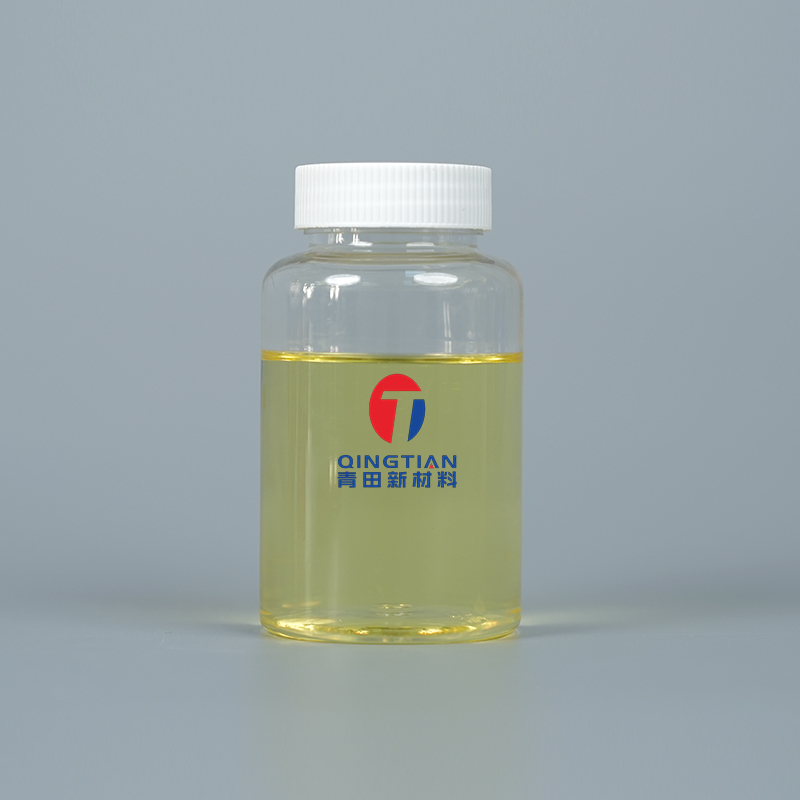
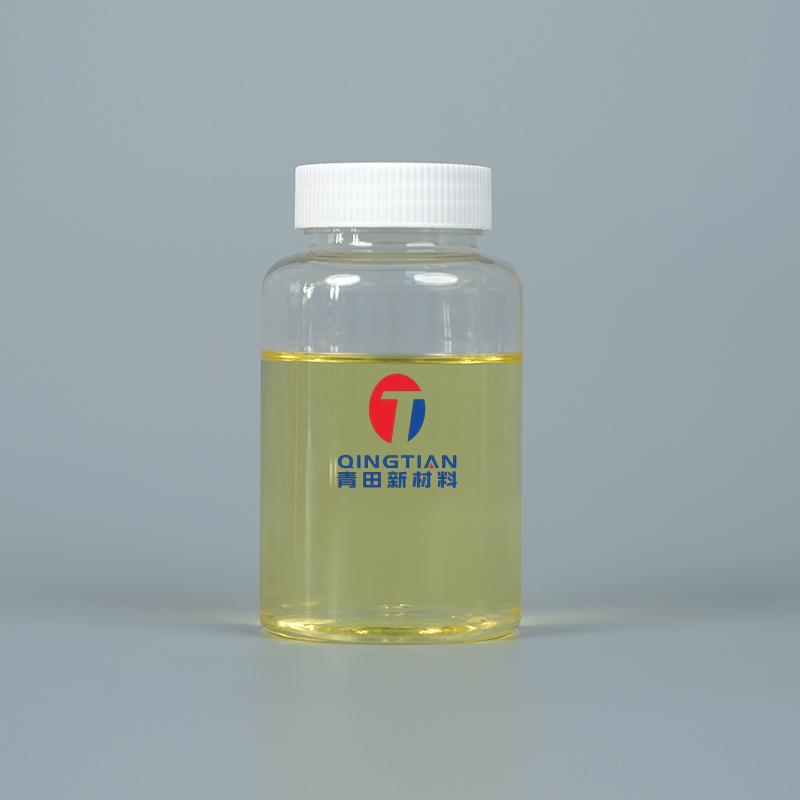
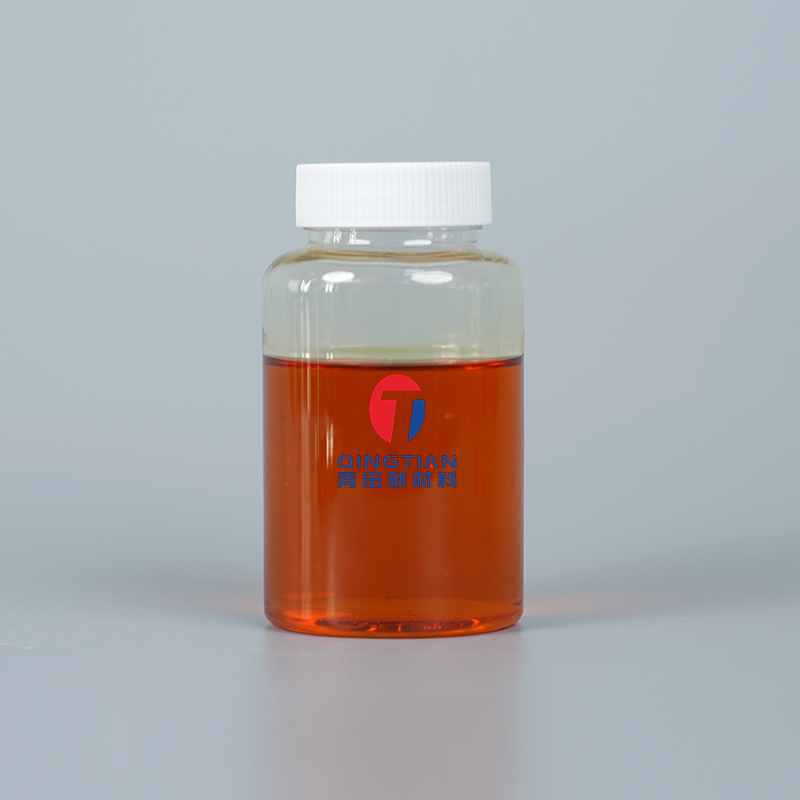
DH-5107 is a dispersant with strong wetting characteristics, designed to bring pigments and fillers into contact with the carrier system quickly and distribute them evenly. The result is a system that behaves more predictably from the moment it's applied — better flow and spreading, a finer and more even surface, and reduced microfoam carried through to the final film.
Brings pigments and fillers into contact with the system efficiently, supporting smoother overall processing from the start.
Optimizes the system's flow and spreading behavior, helping the film form a finer, more even surface during application.
A reduced tendency to foam, plus a degree of foam control, helps minimize the impact of trapped air on final film appearance.
Good adaptability across waterborne systems, supporting overall stability and a smoother application experience.
Pigments and fillers are rapidly wetted and brought into uniform contact with the carrier system during initial mixing.
The improved flow and spreading behavior translates into smoother application with fewer foam-related defects.
A more even, finer surface forms with reduced microfoam, supporting consistent appearance across the application area.
Can DH-5107 be used alongside an existing wetting agent?
Yes, in most formulations it can be evaluated alongside existing additives. Because it addresses wetting and dispersion at an earlier stage, it can sometimes reduce reliance on later-stage wetting agents — this is best confirmed with a small trial.
Does it work only in waterborne systems?
DH-5107 is specifically developed with waterborne application performance in mind, and its compatibility profile is geared toward waterborne formulations.
Will it help with foam that appears during high-speed mixing?
It is designed with a lower foam tendency and some foam-control characteristics, which can help reduce foam introduced during high-shear mixing, though severe foaming issues may still benefit from a dedicated defoamer.
How should I start testing DH-5107 in my formulation?
A common starting point is to substitute or supplement your current dispersant at a comparable dosage and evaluate leveling, foam, and gloss on a drawdown panel before scaling to production.
In waterborne systems, application performance is largely decided during the wetting and dispersion stage — not at the point of application itself.
Looking to improve flow, leveling or foam behavior in your waterborne coating? Request a technical data sheet or sample of DH-5107 for evaluation.
Request Sample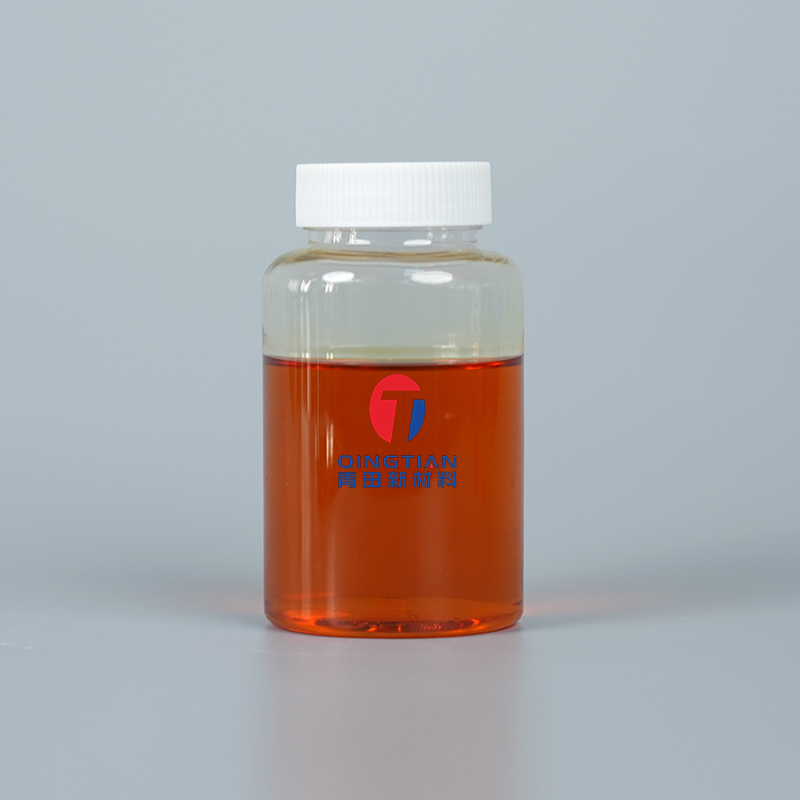
 Wholesale Paint/ Coating Additives Manufacturers
Custom Industrial Chemical Solutions Suppliers
Wholesale Paint/ Coating Additives Manufacturers
Custom Industrial Chemical Solutions Suppliers