


 русский
 Español
 Français
Home / News / Industry News / Hard to Apply After Thickening Water-Based Coatings: Where Might the Problem Be?
Industry News

Viscosity is an index watched often when adjusting water-based formulations. But in production and application, even when the measured value reaches the target range, a coating may still spread unsmoothly, have high brush drag or leave a film surface that is not flat enough. The reason is that viscosity describes only one aspect of flow. A coating experiences different actions in storage, stirring, conveying and application, and flows differently in each. So when choosing a water-based thickener, besides thickening level, observe flow under high shear, leveling after application and whether the formulation stays stable in storage.
Under brushing, rolling or spraying, the flow state of a water-based coating changes. If flow under application shear is unsuitable, spreading may be unsmooth and application resistance high. This cannot simply be blamed on too much thickener: resin composition, pigment and filler ratio, dispersion state and other additives also affect flow characteristics. When adjusting the formulation, compare thickening schemes at similar target viscosity and judge them with the real application method, not just a rising viscosity number.
Leveling relates to flow after application and changes in surface tension. After spreading, fine surface lines must improve to some degree before film formation. If the flow state does not suit the application conditions, or the coating loses its ability to flow before the lines improve, the final film may show brush marks, roller marks or an uneven surface. Substrate wetting, film thickness, drying speed and ambient conditions also affect leveling, so investigate application and film-forming conditions together.
A rapid viscosity rise after adding a thickener can shorten adjustment time in some formulations, but initial thickening does not fully show the long-term state of the system. Resin, pigments and fillers, dispersants and other additives in a water-based coating may influence each other. After changing the thickener, still observe viscosity change after mixing, storage state and application performance. In particular after changing raw materials or formulation ratios, repeat small tests rather than carry over the old dosage.
Choose by application method. Brushing and rolling need attention to feel and spreading; spraying needs atomization, flow and film formation. For systems balancing thickening and leveling, examine high-shear viscosity and surface state after application. Control dosage. Add in stages, approach the target step by step and record the viscosity change after each adjustment. If viscosity rises too fast, check pre-dilution, mixing uniformity and other components before changing the dosage. Test storage and application together. Record initial viscosity, viscosity after a period of storage and film state after application; comparing time points shows viscosity drift and whether the adjustment affects leveling, water resistance or other target properties.
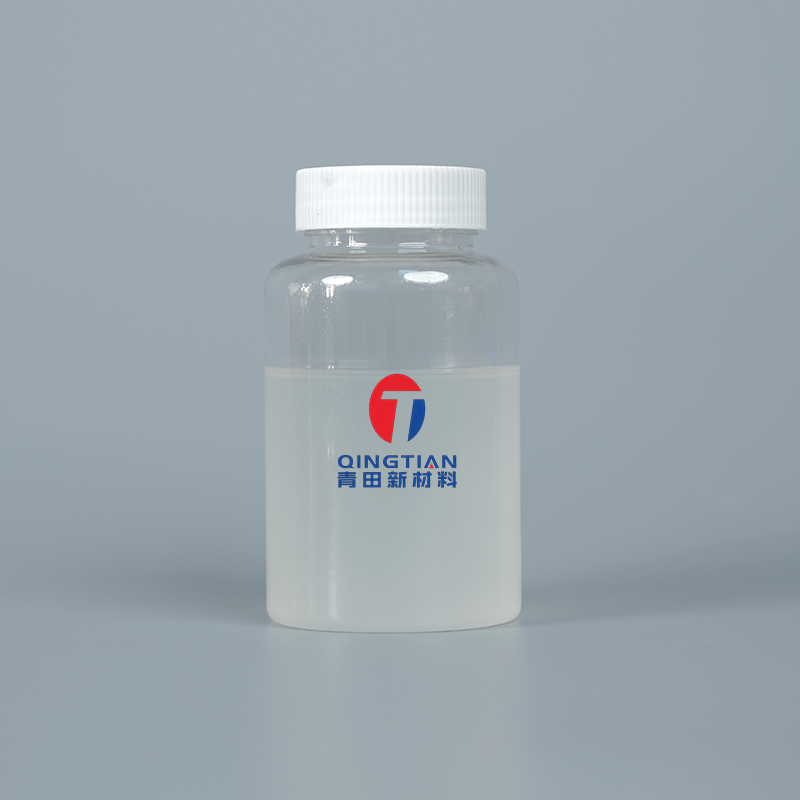
DH-7213S is a hydrophobically modified anionic acrylic thickener. According to the product data, its features include fairly fast thickening, good control of high-shear viscosity, and consideration of flow and leveling.
Method of use: dilute with water before adding to the system. In practice, confirm dilution ratio, addition speed and mixing time according to formulation and equipment, to avoid uneven mixing from locally high concentration. For formulations with different resins, pigment and filler contents and application methods, prepare comparison samples at different dosages and test initial viscosity, viscosity change after storage, application flow and film appearance. Performance listed in the product data should be verified in the actual formulation.
 Wholesale Paint/ Coating Additives Manufacturers
Custom Industrial Chemical Solutions Suppliers