


 русский
 Español
 Français
Home / News / Industry News / UV Coating Poor Leveling and Tape Adhesion — How to Improve Surface Performance?
Industry News

In UV varnish, UV coatings, and other photo-curable systems, the film can complete curing after ultraviolet irradiation, providing advantages of fast cure speed and high production efficiency. But faster curing also means the film surface state must stabilise in a shorter time window. If the coating does not wet and flow sufficiently during application and curing, surface texture problems and insufficient surface lubricity can result. Additionally, for products requiring tape testing, lamination, or subsequent processing, the film surface's anti-tack capability is equally important.
After curing, the film surface has relatively high friction resistance — hand feel and surface touch are not ideal, and subsequent processing may be affected.
Some UV coatings develop strong adhesion after contact with tape — especially noticeable in applications where surface release performance is required.
If the system has insufficient flowability and curing speed is fast, some surface defects may not be fully corrected before the film is completely cured.
Some non-reactive surface additives primarily rely on migration to the film surface to act — as use environment and time change, surface performance may show some fluctuation.
Ordinary surface additives typically act by reducing surface tension and improving the interfacial state. For UV photo-curable systems, if the additive only resides on the film surface without participating in the formation of the cured network, its long-term stability may be affected by system composition and use environment. Therefore, for UV varnishes with higher requirements for surface performance durability, surface additives with reactive groups can be considered. These additives can participate in resin network formation during curing, so they are not simply present on the film surface but form a more stable bonding relationship with the cured system.
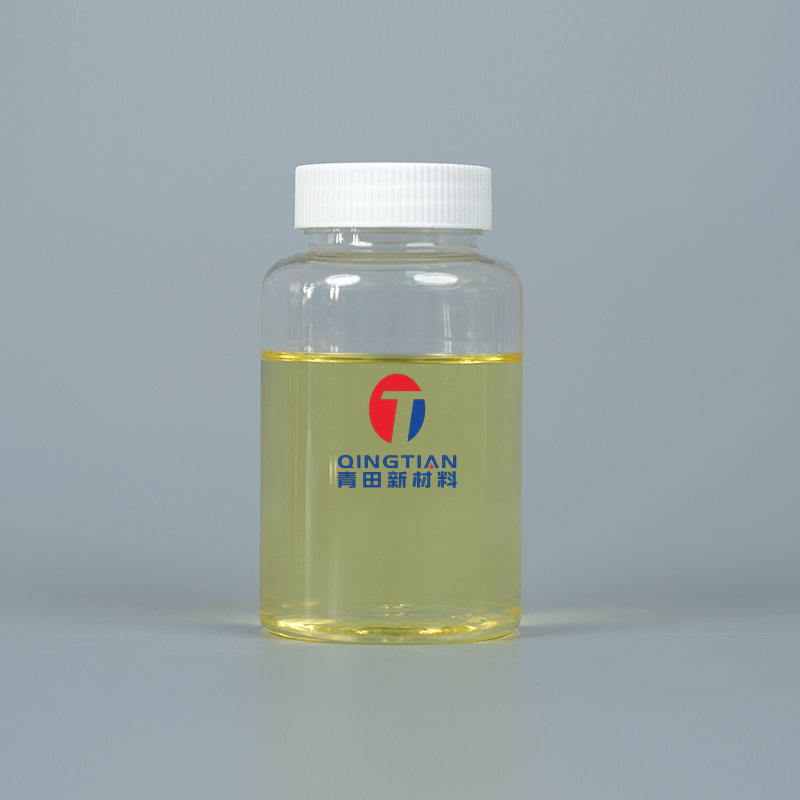
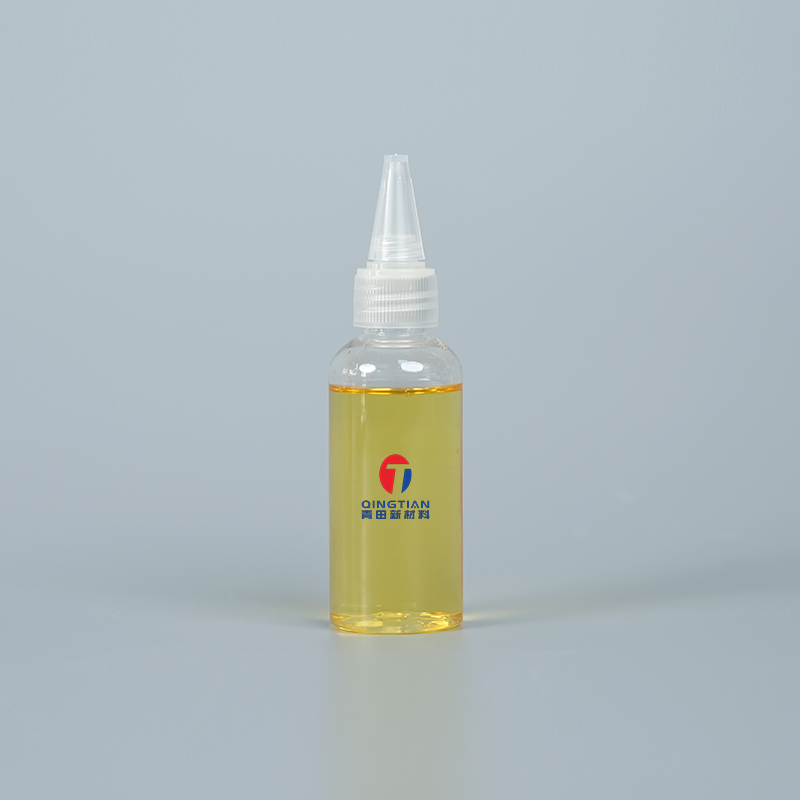
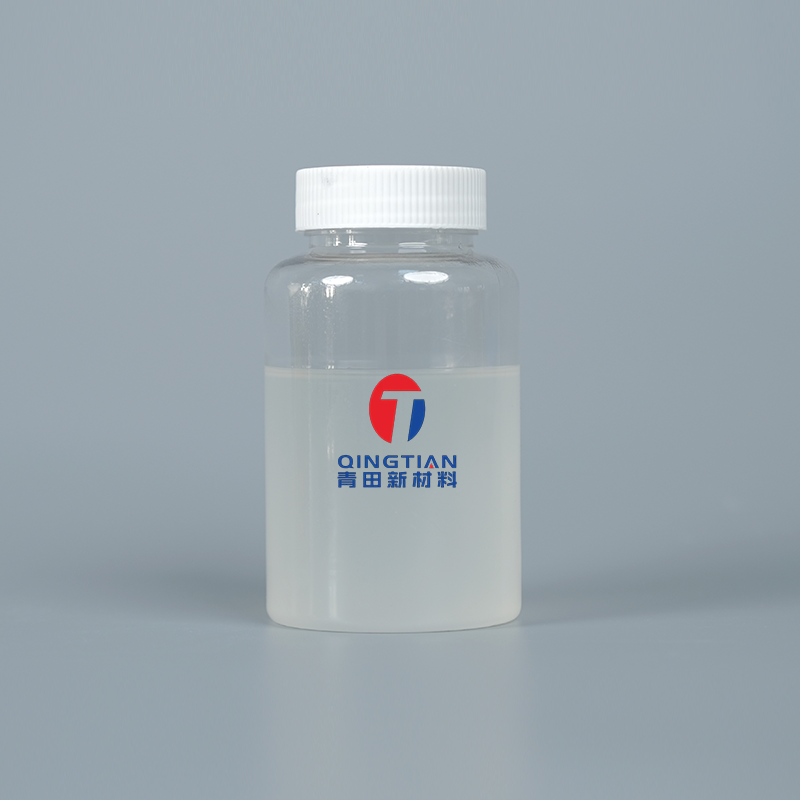
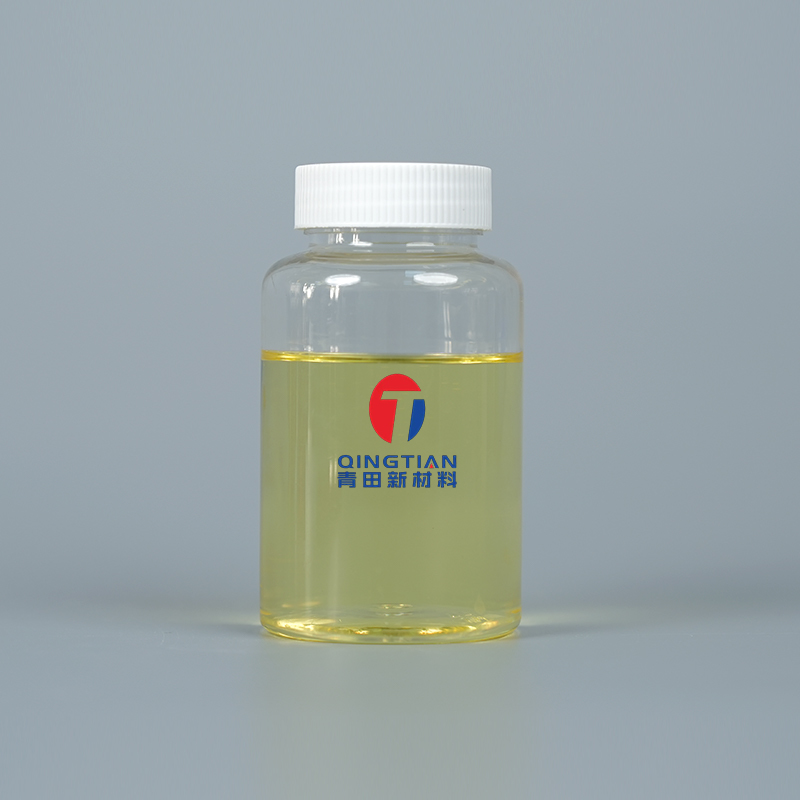
DH-4270 is a surface additive for UV reverse varnish and photo-curable systems, with reactive acrylic functional groups that can participate in polymer network structure formation during UV curing, making the additive more stably present in the cured film. In application, DH-4270 can help improve coating spread state, making the film surface more uniform, while improving the slip performance and tape release behaviour of the cured film. Compared to additives that rely purely on surface migration, its reactive structure is better suited to photo-curable systems with certain durability requirements for surface performance.
The product is mainly suitable for solventborne UV coatings, UV photo-curable systems, and some acrylic resin systems. Reference dosage: 0.05%–1.0% of total formulation.
UV varnish surface problems are not simply about whether leveling is good — slip performance, tape release, and the stability of the additive in the cured film are all worth attention. For UV systems that need to maintain surface performance long-term, selecting a reactive surface additive allows it to participate in the cured network formation, improving leveling and slip effect while reducing performance changes caused by additive migration.
 Wholesale Paint/ Coating Additives Manufacturers
Custom Industrial Chemical Solutions Suppliers
Wholesale Paint/ Coating Additives Manufacturers
Custom Industrial Chemical Solutions Suppliers