


 русский
 Español
 Français
Home / News / Industry News / Is Simethicone an Antifoaming Agent? A Practical Defoamer Guide for Formulators
Industry News

Content
You are running a batch of waterborne acrylic coating and the dispersion tank looks like a cappuccino machine. Foam climbs the shaft, the batch volume drops, and you start wondering whether the simethicone you added is actually doing anything. It is a familiar scene in coatings, inks, and adhesive production. The short answer is yes: simethicone is a recognized antifoaming agent, and it belongs to the silicone defoamer family. But the full answer matters more, because simethicone is not a universal fix. It works through a specific mechanism, it has clear strengths, and it can fail badly in the wrong system.
This guide explains what simethicone is, how it behaves as an antifoaming agent, where it performs well, and how to choose between simethicone-based and silicone-free options. You will also find practical selection criteria, troubleshooting steps, and answers to common questions from formulators and production teams.
Yes. Simethicone is an antifoaming agent. In technical and regulatory language, it is often described as a silicone-based defoamer or antifoam. The name simethicone comes from a mixture of polydimethylsiloxane (PDMS) and silica gel. That combination gives it the ability to destabilize foam bubbles and collapse them quickly.
In industrial coatings, inks, and adhesives, simethicone is used to prevent foam formation during manufacturing, filling, and application. It is especially common in waterborne systems, where surfactants and high shear mixing generate stable foam. However, simethicone is not the only antifoaming chemistry available. Silicone-free defoamers, mineral oil defoamers, and polymer-based defoamers also exist. The choice depends on the formulation, the application method, and the required surface appearance.
If you are searching for a straightforward answer to "Is simethicone an antifoaming agent?", the answer is yes. The more useful question is whether simethicone is the right antifoaming agent for your specific coating, ink, or adhesive.
Simethicone is not a single molecule. It is a mixture of polydimethylsiloxane and silica gel, typically in a ratio that ranges from about 90:10 to 95:5. The PDMS provides a low surface tension, which allows the defoamer to spread rapidly across foam lamellae. The silica particles act as hydrophobic sites that puncture the bubble film and promote drainage.
Because simethicone is chemically inert, it is often used in pharmaceutical and food processing as an anti-foaming agent. In industrial coatings and inks, the same basic chemistry is adapted into different delivery forms: emulsions, solutions, and 100% active liquids. The performance depends on how the simethicone is dispersed in the coating system.
It is important to distinguish simethicone from other silicone defoamers. Some silicone defoamers are based on modified polysiloxanes, such as polyether-modified siloxanes. These may offer better compatibility with certain organic resins. Simethicone is a classic PDMS-silica blend, and it remains one of the most widely used antifoaming agents in waterborne industrial coatings.
Foam is a dispersion of gas bubbles in a liquid. The bubbles are stabilized by surfactant molecules that arrange themselves at the air-liquid interface. To break foam, an antifoaming agent must enter the bubble film, spread across it, and reduce the local surface tension enough to cause the film to rupture.
Simethicone performs this function in three stages. First, the low surface tension of PDMS allows the defoamer droplet to enter the foam lamella. Second, the droplet spreads along the interface, thinning the film. Third, the hydrophobic silica particles destabilize the film further, causing the bubble to coalesce and collapse.
This mechanism is why simethicone is effective at low dosages. Typically, addition levels range from 0.05% to 0.5% based on total formulation weight. Adding more than the optimum can cause surface defects, craters, and poor recoatability. The goal is to use just enough to control foam without creating a new problem.
Simethicone offers several practical advantages that explain its popularity in coatings, inks, and adhesives. It is highly effective at low concentrations, which helps control raw material costs. It works across a wide pH range, making it suitable for both acidic and alkaline waterborne systems. It also provides fast foam knockdown, which is critical in high-speed mixing and filling operations.
Another benefit is its thermal stability. Simethicone can withstand the temperatures typically encountered in coating manufacturing and application, including baking cycles for coil coatings and industrial finishes. It does not easily degrade into volatile organic compounds, and it remains stable in storage for extended periods.
In printing inks, simethicone helps prevent foam-related defects such as pinholes, fisheyes, and uneven coverage. In adhesives, it reduces foam that can weaken bond strength and cause voids in the adhesive layer. These benefits make simethicone a reliable first choice for many waterborne formulations.
Despite its strengths, simethicone is not suitable for every system. Its silicone nature can cause surface defects in coatings that require perfect flow and leveling. Craters, orange peel, and poor intercoat adhesion are common signs that a silicone defoamer is incompatible with the formulation. In such cases, a silicone-free defoamer may be the better option.
Simethicone can also cause problems in applications where the surface will be painted or bonded later. Residual silicone can interfere with adhesion of topcoats, labels, or structural adhesives. For plastic substrates and automotive refinish systems, formulators often prefer silicone-free defoamers to avoid contamination risks.
Another limitation is its performance in solventborne systems. Simethicone emulsions are designed for waterborne systems. In solventborne coatings, the emulsion may not disperse properly, leading to poor defoaming efficiency or surface craters. Solventborne systems usually require a different defoamer chemistry, such as a silicone-free acrylic or mineral oil defoamer.
The table below summarizes the key differences between silicone-based defoamers like simethicone and silicone-free defoamers. Use it as a starting point for your selection process.
| Property | Silicone-Based (Simethicone) | Silicone-Free |
|---|---|---|
| Foam knockdown speed | Very fast | Moderate to fast |
| Dosage required | Low (0.05–0.3%) | Moderate (0.1–0.5%) |
| Surface defect risk | Higher (craters, fisheyes) | Lower |
| Recoatability | Can be problematic | Generally good |
| Compatibility with waterborne | Excellent | Good |
| Compatibility with solventborne | Limited | Excellent |
| Best for | Waterborne industrial coatings, inks, adhesives | Solventborne, plastic coatings, UV systems, automotive refinish |
This comparison shows why simethicone is not automatically the best choice. If your coating requires a flawless surface and will be overcoated, a silicone-free defoamer may reduce risk. If you need maximum foam control in a waterborne system with no recoat requirement, simethicone is often the most efficient solution.
Waterborne coatings are the primary application area for simethicone. The presence of surfactants, thickeners, and high shear dispersion creates persistent foam that is difficult to break with simple mechanical methods. Simethicone emulsions are designed to disperse evenly in waterborne systems and provide rapid defoaming without affecting color or gloss.
In solventborne systems, simethicone is less commonly used. The low surface tension of organic solvents already reduces foam stability, and silicone defoamers can cause severe surface defects. For solventborne coatings, silicone-free defoamers based on acrylic polymers or mineral oils are usually preferred. These products provide controlled foam release without introducing silicone contamination.
Adhesives represent a mixed case. Waterborne adhesives benefit from simethicone, while solventborne and hot-melt adhesives typically use silicone-free options. Always check the compatibility of the defoamer with the adhesive chemistry, because some defoamers can migrate and affect tack or bond strength.
Foam problems are rarely identical across production lines. In coatings, foam can cause orange peel, pinholes, and uneven film thickness. In inks, foam leads to poor transfer, spitting, and inconsistent print density. In adhesives, foam creates voids that reduce bond strength and can cause failure in structural applications.
Another common issue is foam that forms during filling or packaging. Even if the coating is defoamed in the tank, agitation during pumping can reintroduce air. This is why defoamer selection must consider the entire process, not just the initial dispersion step.
Persistent foam often indicates that the defoamer is incompatible, overdosed, or underdosed. Overdosing can cause surface defects and reduce gloss. Underdosing leaves foam that interferes with production. Finding the optimal dosage requires a systematic approach, which we cover in the next section.
Evaluating a defoamer begins with a simple shake test. Add the defoamer at different dosages to a sample of the coating or ink, shake vigorously, and measure foam height over time. This test gives a quick indication of knockdown speed and persistence.
For more accurate results, use a high-speed disperser to simulate production shear. Measure foam volume immediately after mixing and after 5, 15, and 30 minutes. A good defoamer reduces foam quickly and prevents foam from rebuilding.
Surface appearance must also be evaluated. Draw down a film on a substrate and inspect for craters, fisheyes, and leveling defects. If the coating will be overcoated, apply a second layer and check intercoat adhesion. These tests reveal whether the defoamer is compatible with the system.
Finally, consider storage stability. Defoamers can separate or lose activity over time. Check the formulation after accelerated aging at 40°C for two weeks. If foam control decreases, the defoamer may not be suitable for long-shelf-life products.
In waterborne adhesives, simethicone is used to control foam during mixing and application. Adhesive formulations often contain surfactants, tackifiers, and thickeners that stabilize foam. Simethicone breaks the foam without interfering with the adhesive's wet tack or final bond strength.
Specialty applications include conductive adhesives, laminating adhesives, and pressure-sensitive adhesives. In each case, the defoamer must be selected carefully to avoid migration that could affect electrical conductivity or optical clarity. Simethicone is generally compatible with these systems when used at the recommended dosage.
Beyond adhesives, simethicone is used in printing inks, industrial coatings, and even in the production of photovoltaic panels and battery components. In these applications, foam control is essential for uniform coating thickness and consistent performance.
Simethicone is widely accepted in industrial applications, but regulatory requirements vary by region and end use. In coatings and inks that come into contact with food, additional restrictions may apply. Always check the specific grade of simethicone for compliance with local regulations.
Compatibility is another critical factor. Simethicone can interact with other additives, such as wetting agents and dispersants. In some cases, the combination can reduce defoamer efficiency or cause surface defects. A compatibility test with the full formulation is recommended before scaling up.
If you are selecting a dispersant for your coating system, our guide on selecting the right dispersant grade for coatings provides useful criteria that also apply to defoamer selection. You can also explore our product portfolio for a complete range of additives.
When selecting a simethicone-based defoamer, start by identifying the type of system: waterborne, solventborne, or solvent-free. For waterborne coatings and inks, choose an emulsion with a particle size optimized for your binder system. For adhesives, consider a defoamer that does not migrate or affect tack.
Next, review the dosage range and addition method. Simethicone defoamers are usually added during the let-down phase, after the pigment dispersion. Adding too early can reduce efficiency because the defoamer may be adsorbed onto pigment particles. Adding too late may not provide enough mixing to disperse the defoamer evenly.
Finally, consider the surface requirements. If the coating must have perfect appearance and recoatability, evaluate a silicone-free alternative alongside simethicone. If foam control is the primary challenge and the surface is not critical, simethicone is often the most cost-effective choice.
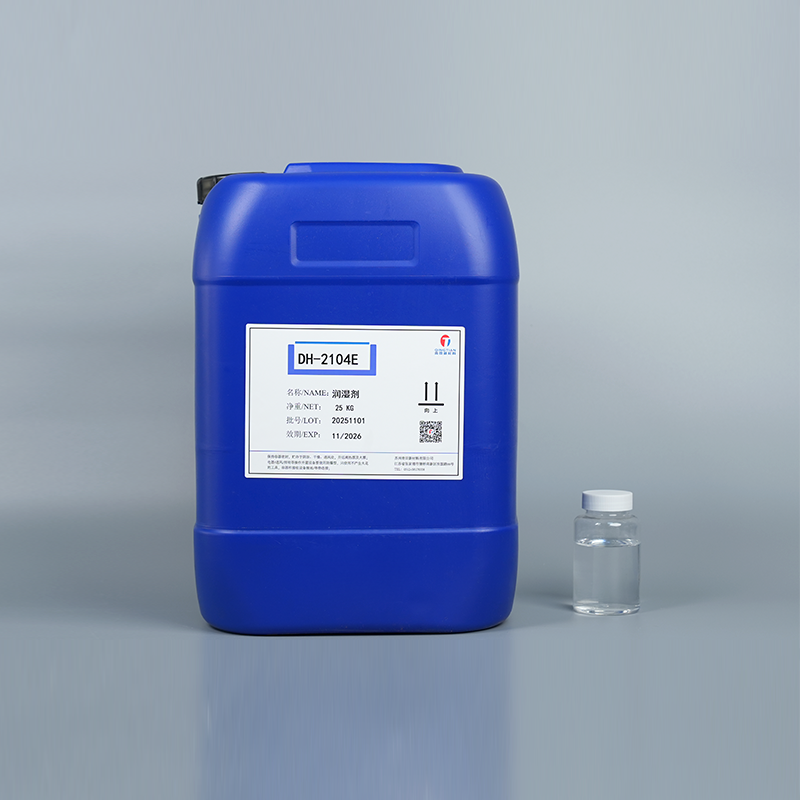 DH-2104E Water-based DefoamerWetting and Anti-foamingView Product →
DH2104E is a waterborne silicone defoamer designed for waterborne coatings and inks. It provides fast foam knockdown and is compatible with a wide range of acrylic, polyurethane, and epoxy systems.
For formulators who need alternatives to simethicone, silicone-free defoamers offer a way to control foam without introducing silicone. These products are particularly useful in plastic coatings, UV systems, and applications where recoatability is essential.
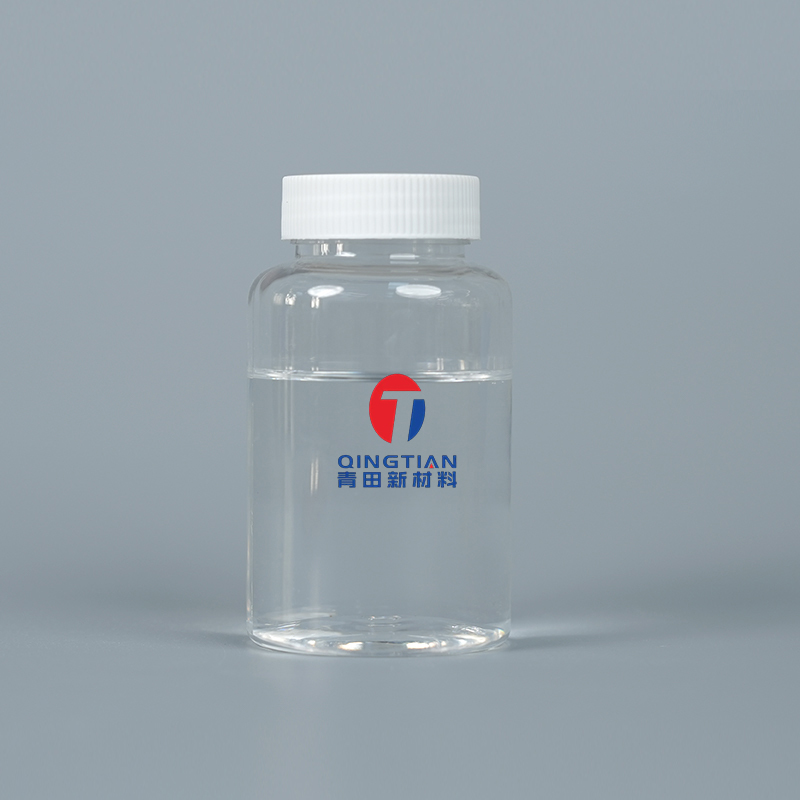 DH-2020 DefoamerExcellent foam suppression and deaeration effects, especially in high-solid and solvent-free systems.View Product →
DH2020 is a silicone-free defoamer suitable for solventborne and solvent-free systems. It provides reliable foam control without the surface defects associated with silicone defoamers.
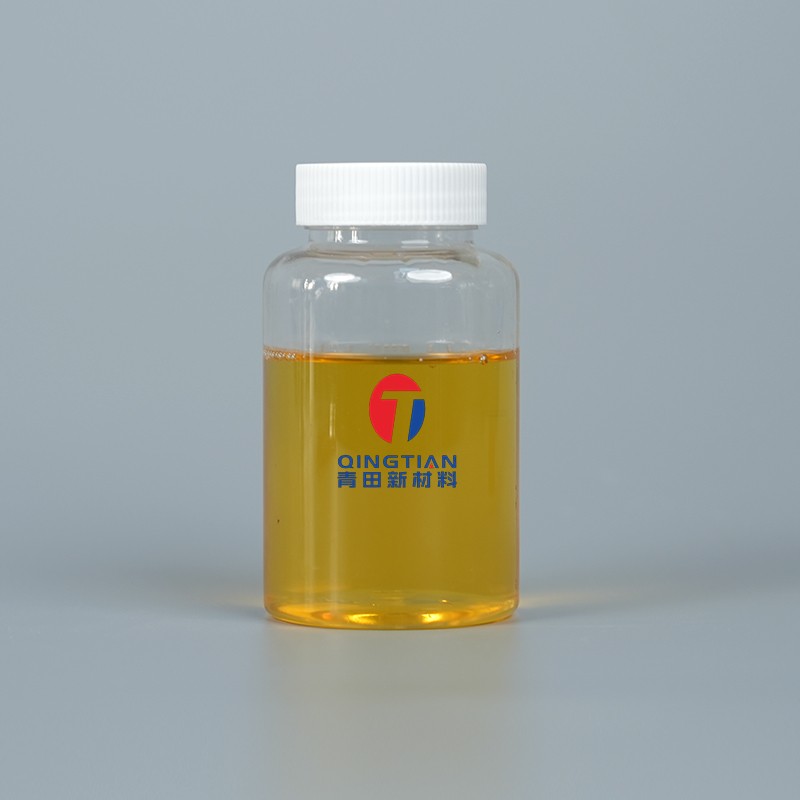 DH-2277S Water-based DefoamerNon-silicone, long-chain aliphatic hydrocarbon vegetable oil emulsion type defoamer;View Product →
DH2277S is a waterborne silicone-free defoamer developed for waterborne coatings and adhesives. It offers good compatibility and minimizes craters and fisheyes, making it a strong choice for applications that require a clean surface.
Simethicone is a type of defoamer, specifically a silicone-based antifoaming agent. It is one option among many defoamer chemistries. The terms "defoamer" and "antifoam" are often used interchangeably, though "antifoam" sometimes refers to products that prevent foam formation rather than break existing foam.
Simethicone is primarily designed for waterborne systems. In solventborne coatings, its emulsion form may not disperse properly, and it can cause surface defects. Silicone-free defoamers are generally preferred for solventborne applications.
Typical dosages range from 0.05% to 0.5% based on total formulation weight. The optimal dosage depends on the system, the amount of foam generated, and the presence of other surfactants. Always run a dosage ladder to find the minimum effective level.
At recommended dosages, simethicone does not significantly affect gloss or color. Overdosing can cause surface defects such as craters and hazy films, so accurate measurement is important.
If your coating requires perfect recoatability, has a high-gloss finish, or is used on plastic substrates, a silicone-free defoamer may be safer. If you observe craters, fisheyes, or intercoat adhesion failures after adding simethicone, switch to a silicone-free alternative.
Some simethicone emulsions are compatible with UV systems, but many UV formulations prefer silicone-free defoamers because silicone can interfere with UV curing and adhesion. Always test compatibility with your specific UV resin and photoinitiator package.
When foam problems persist, use this troubleshooting sequence. First, confirm that the defoamer is added at the correct stage. Simethicone works best when added during let-down with good agitation. If it is added too early, it may be absorbed by pigments and lose effectiveness.
Second, check the dosage. Increase in small increments until foam is controlled, but stop before surface defects appear. If defects appear at low dosage, the defoamer is incompatible and should be replaced.
Third, review the formulation for foam-stabilizing components. High levels of surfactants, thickeners, or certain dispersants can create persistent foam that is difficult to break. In some cases, adjusting the surfactant package is more effective than increasing defoamer dosage.
Fourth, evaluate the process. High-shear mixing, pumping, and filling can reintroduce air. If foam forms during filling, consider adding a small amount of defoamer at the filling stage or using a defoamer with longer persistence.
Finally, consider the substrate and application method. Spray application generates less foam than roller or brush application. If foam is a problem in spray application, the issue may be in the formulation rather than the defoamer.
Simethicone is an effective antifoaming agent for waterborne coatings, inks, and adhesives. It knocks down foam quickly at low dosages and is compatible with many industrial systems. However, it is not a universal solution. Silicone-sensitive applications may require a silicone-free defoamer, and solventborne systems usually need a different chemistry.
The best approach is to test simethicone alongside silicone-free alternatives in your actual formulation. Evaluate foam knockdown, surface appearance, recoatability, and storage stability. Use the minimum effective dosage and add the defoamer at the right stage of production.
If you need help selecting the right defoamer for your coating, ink, or adhesive, our technical team can recommend a product based on your system and application requirements. Explore our silicone defoamers, silicone-free defoamers, and other additives to build a formulation that performs consistently from the mixing tank to the final film.
 Wholesale Paint/ Coating Additives Manufacturers
Custom Industrial Chemical Solutions Suppliers
Wholesale Paint/ Coating Additives Manufacturers
Custom Industrial Chemical Solutions Suppliers