русский
 Español
 Français
Industry News
In automotive paint, metal stoving enamel and coil coatings, bake curing is a key step in forming the final film properties. After heating, the resins crosslink and gradually build a film with a certain hardness, gloss and resistance to media.
Introduction: bake curing is not only a temperature question
In production you sometimes meet long bake times, film hardness that falls short, or other properties changing after the curing process is adjusted. These are not necessarily caused by low bake temperature alone; they may also relate to resin type, crosslinking speed and the catalyst system.
For coatings that pair amino resin with hydroxyl-containing resin, a catalyst can influence how the crosslinking reaction proceeds. A suitable catalyst system helps find a balance between the curing process and film properties.
Three factors that affect bake curing
1
Resin crosslinking needs suitable conditions
Amino resin is commonly used in baking coatings and crosslinks with hydroxyl-containing resin on heating. The degree of reaction affects film hardness, adhesion and resistance to media.
If resin type, ratio or curing conditions do not match, longer baking may not give the expected result. So when analyzing a curing problem, first check the resin system and formulation design, then consider adjusting the catalyst.
2
Temperature and time shape line rhythm and film state
Bake temperature and holding time are linked. Low temperature or too short a hold may leave crosslinking insufficient; simply raising temperature or lengthening the bake also requires attention to workpiece heat resistance, energy use and film appearance.
In continuous coil coating or industrial baking, curing is also affected by line speed, workpiece thickness and actual panel temperature, so the laboratory setting cannot be equated with the temperature the workpiece really reaches.
3
The catalyst must match system and process
A catalyst affects crosslinking speed, but products differ in activation conditions, dosage range and suitable systems. Too little may fail to give the expected curing; too much may change storage stability, application state or film properties.
A blocked sulfonic acid catalyst works after being activated at a specific temperature, giving formulation design some room for process adjustment. The effect still has to be verified against the resin system, bake conditions and film requirements.
Where to start when adjusting the formulation
Check the resin system: confirm the type and ratio of amino resin and hydroxyl-containing resin and whether they follow the original formulation design.
Confirm actual bake conditions: record actual panel temperature, holding time and line speed rather than relying only on the oven setting.
Run a catalyst gradient test: with other conditions roughly the same, compare how different dosages affect degree of cure, hardness and appearance.
Examine film properties together: besides hardness, test gloss, humidity resistance, corrosion resistance and mechanical properties according to the use scenario.
Watch storage and application state: if pot life shortens, viscosity changes or appearance becomes abnormal after adjustment, further evaluate how well the catalyst fits the system.
Product reference: DH-7356N blocked sulfonic acid catalyst
DH-7356N is a blocked sulfonic acid catalyst mainly used to promote crosslinking between amino resin and hydroxyl-containing resin. Depending on formulation and bake conditions, it can be used to assess the possibility of lowering the curing temperature or shortening the bake time.
Promotes crosslinking of amino resin with hydroxyl-containing resin
Helps improve film hardness and gloss
Can be used to improve humidity resistance, corrosion resistance and mechanical properties
Usable in waterborne and solvent-borne systems
Applicable scenarios include automotive paint, can coatings, coil coatings, aluminum coil coatings, industrial baking enamel and metal stoving enamel.
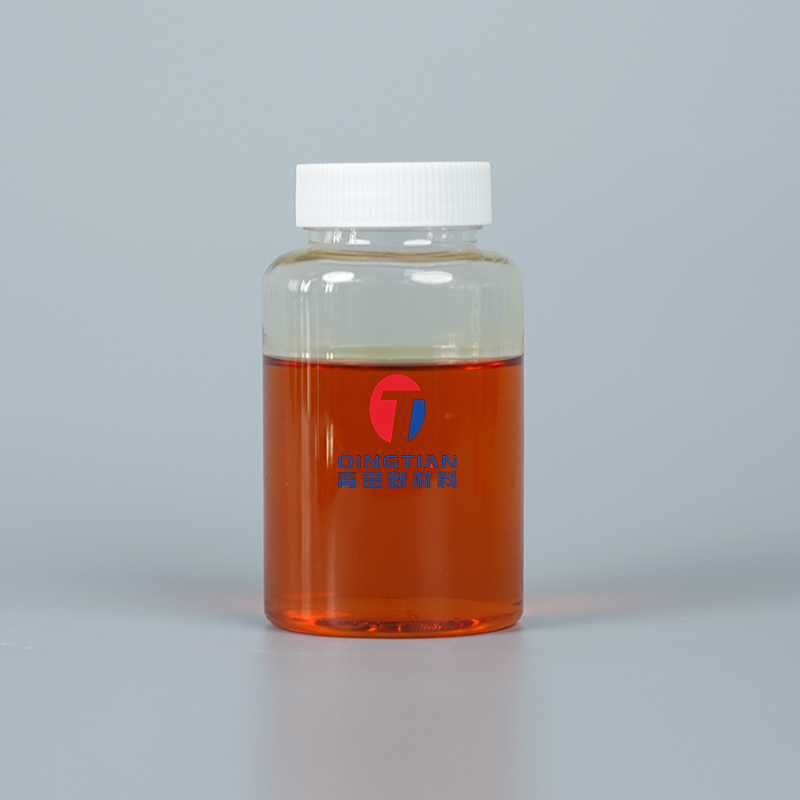
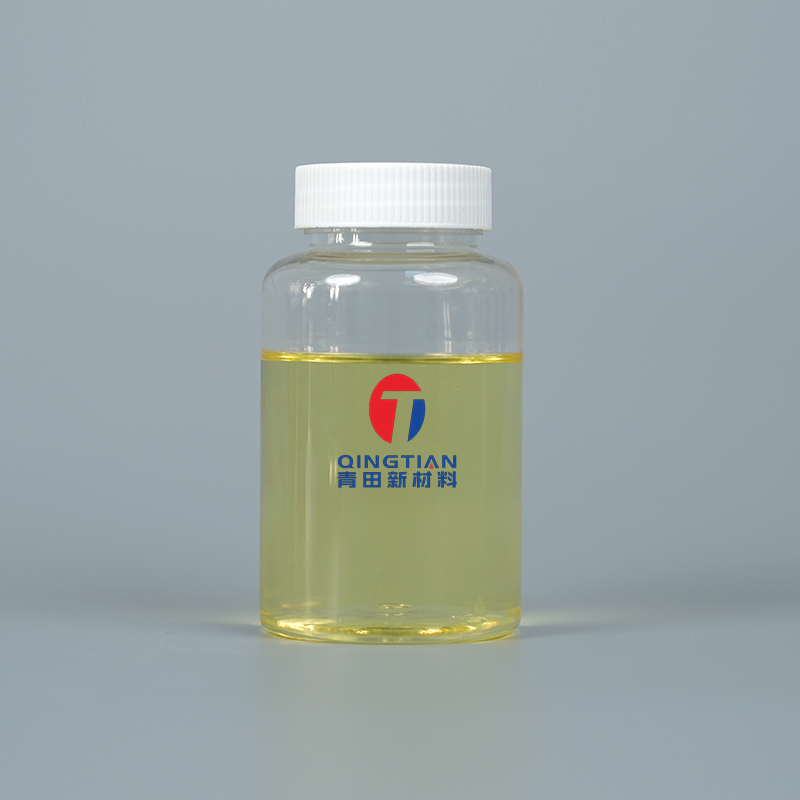
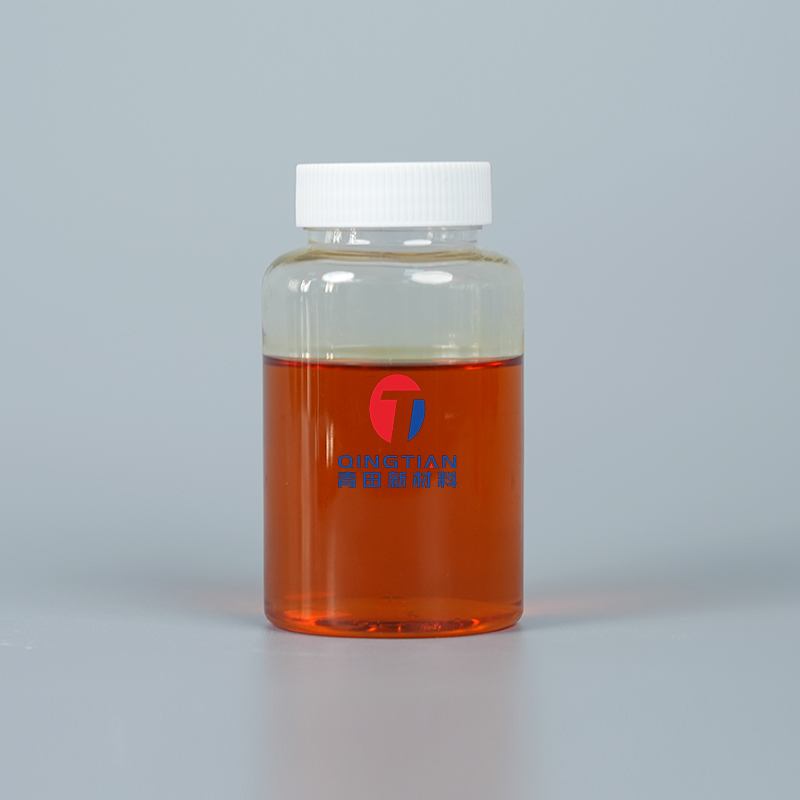
AppearanceClear transparent viscous liquid
Acid value100 ± 5
Deblocking temperature85 °C
Solids content35 ± 1%
Density (20 °C)1.10-1.20 g/mL
SolventMethanol / isopropanol
Recommended dosage1%-5% of total formulation
In use, set up gradient tests within the recommended range and watch degree of cure, hardness, gloss and media resistance step by step. The 85 °C listed is the product's deblocking temperature and should not be taken directly as the bake temperature needed for full cure. Actual curing conditions depend on the resin system, workpiece panel temperature and bake time.
Frequently Asked Questions
Is slow curing always due to low oven temperature?No. It may also come from resin type, crosslinking speed and the catalyst system.
Why not rely on the oven setting?The laboratory setting does not equal the temperature the workpiece reaches; line speed, thickness and actual panel temperature all play a part.
Is 85 °C the bake temperature for DH-7356N?No. It is the deblocking temperature, not the temperature needed for complete cure, which depends on resin system, panel temperature and bake time.
What can go wrong with too much catalyst?Excess may change storage stability, application state or film properties, so dosage should be tested in gradient within 1%-5%.
Summary
Bake curing performance results from the resin combination, catalytic conditions and baking process together. When curing is slow or film properties fall short, review formulation and process conditions first, then use tests to decide whether the catalyst needs adjusting. DH-7356N blocked sulfonic acid catalyst can be used to adjust crosslinking in amino resin and hydroxyl-containing resin systems while evaluating hardness, gloss and humidity resistance. In use, the dosage and curing conditions should be set from the specific formulation and test results.