русский
 Español
 Français
Home / Products / Texture Powder Additive, Micronized Wax Powder Additive / Texturing Powder Additive
Texturing Powder Additive Wholesale

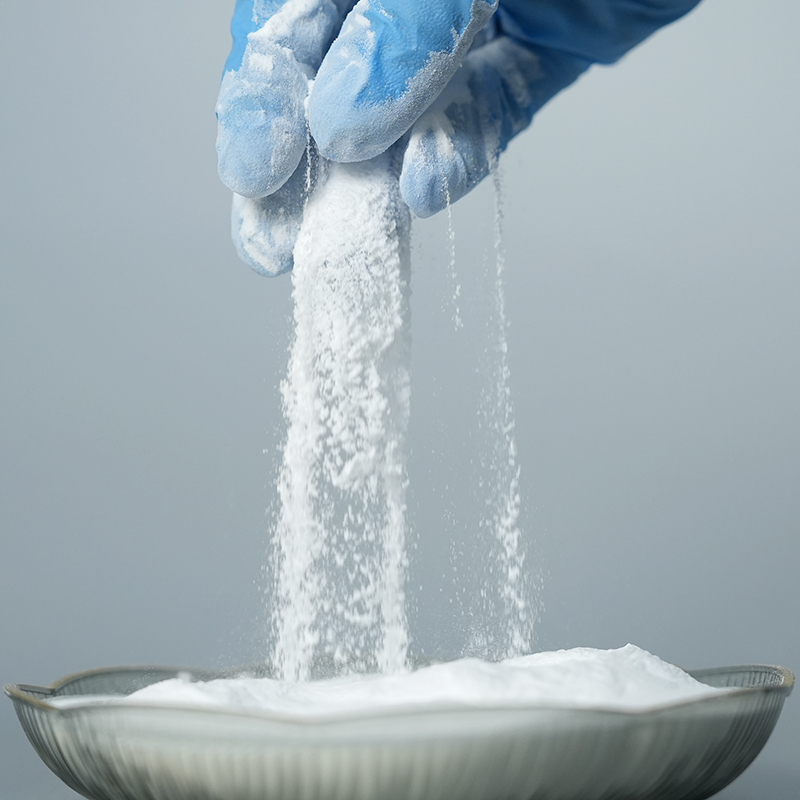
Sandpaper-textured powder additive is a white, granular powder. Its working principle involves the embedding and distribution of these particles to create a textured surface and a frosted feel, enhancing the coating's tactile and anti-slip properties.
After application, it forms a sandpaper-like texture on the coating surface. This structure increases the coating's coefficient of friction, preventing objects from sliding on the surface, enhancing its wear resistance, and reducing wear from daily use and friction. Due to its unique surface texture, sandpaper-textured powder also provides a rich visual effect to the coating.
It is mainly used in wood coatings, furniture coatings, floor coatings, and other coatings requiring anti-slip properties or a special tactile feel. For example, in wood and furniture coatings, sandpaper-textured powder can improve surface anti-slip and scratch resistance, making the coating more suitable for products with high-frequency contact and use; in floor coatings, sandpaper-textured powder effectively increases floor friction, reducing the risk of slipping and improving safety.
Introduction: Understanding Adhesion Promoters and Surface Bonding What Is an Adhesion Promoter? An adhesion promoter is a chemical or chemical formulation applied to a substrate surface prior to the ...
READ MOREHow Do Dispersing Agents Influence Pigment Wetting and Stabilization? 1. The Thermodynamics of Pigment Wetting and the Role of Dispersing Agents Pigment wetting is the first and most fundamental...
READ MOREUnderstanding Acrylate Leveling Agents: The Backbone of Surface Excellence In the sophisticated world of industrial coatings, achieving a flawless, mirror-like finish is not merely an aesthetic prefer...
READ MOREThe essence of snow-melting agents is that they are "phase change regulators" that lower the freezing point by altering the phase change mechanism of water. This characteristic, while different in app...
READ MOREFirst Generation: Sodium Chloride – A Classic “Pioneer” Industrial salt is a relatively traditional and economical de-icing agent. Raw materials are readily available, costs are low, and it works well...
READ MORETexturing Powder Additives play different roles in different coating application areas, mainly in the performance and appearance of the coating.
Automotive Coatings
In automotive coatings, Texturing Powder Additives are primarily used to enhance the scratch resistance, stain resistance, and anti-slip properties of the coating film. Automotive coatings require extremely high abrasion resistance to cope with external factors such as scratches, collisions, and dirt encountered in daily use. Texturing powder additives can provide additional surface hardness and a protective film by forming a fine texture on the coating surface, helping to prevent scratches and reduce stain adhesion.
Furthermore, texturing powder can improve the visual effect of the coating film in automotive coatings, making the coating surface less prone to fine scratches or watermarks, maintaining an aesthetically pleasing appearance. For some high-end automotive exteriors, the fine texture effect can also enhance the gloss of the coating, making the coating film more unique.
Architectural Coatings
In architectural coatings, Texturing Powder Additives are commonly used to enhance the decorative and durable properties of coatings, especially in exterior and interior wall coatings. Architectural coatings have high requirements for texture effects, and texture powder additives help create rough or smooth surface textures to enhance visual appeal and conceal minor surface defects (such as cracks and blemishes). Furthermore, texture powders can improve the weather resistance and stain resistance of the coating film, particularly in exterior wall coatings, increasing the film's resistance to environmental factors such as wind, sun, and rain.
In architectural coatings, texture effects not only have an aesthetic function but also improve the anti-slip properties of the coating film, providing better safety, especially in slippery areas such as bathrooms and kitchens.
Furniture Coatings
The need for texture in furniture coatings is often more about decoration and tactile feel. In furniture coatings, Texturing Powder Additives help create delicate texture effects, giving the coating film a more tactile surface texture. For example, in wood furniture coatings, micronized texture additives can create an effect similar to natural wood grain, enhancing both visual depth and tactile richness. Furthermore, furniture coatings require good stain resistance; texture powders can reduce the adhesion of oil, fingerprints, and other stains, keeping the surface clean.
In furniture coatings, texture effects not only enhance aesthetics but also increase surface scratch resistance, making the furniture more durable during daily use.
The principle behind texturing powder additives creating specific texture effects on coating surfaces primarily relies on the physical properties of their particles and the interaction between the coating and the substrate during the curing process.
Particle Size and Morphology: The particle size, morphology, and distribution of the texture powder directly affect the texture effect on the coating surface. Generally, coarser particles create more pronounced textures, while finer particles create smoother or subtle textures. By adjusting the particle size and morphology, the texture style of the coating surface can be precisely controlled, ranging from rough surfaces to fine texture layers.
Dosage and Dispersion: The amount of texture powder additive added also has a decisive impact on the texture effect of the coating. Higher dosages usually result in more pronounced textures, while lower dosages create a smoother and finer surface. To ensure uniform texture, the texture powder must be evenly dispersed in the coating, which can be achieved through high-shear mixing, milling, or pre-dispersion techniques.
Coating Application and Curing: The application method (e.g., spraying, brushing, or rolling) and curing process (e.g., heat curing or air drying) significantly affect the texture effect. Spraying results in poor leveling, easily leaving irregular textures on the surface. During the curing process, the texture powder in the coating forms specific texture patterns through physical contact with the substrate. By controlling the curing time, temperature, and coating thickness, the final texture effect can be precisely controlled.
Impact of Coating Thickness: Coating thickness also affects the texture effect. Thicker coatings typically create deeper textures, while thinner coatings may only leave a slight texture. In practical applications, the coating thickness needs to be adjusted according to the desired texture effect to ensure the final result meets expectations.
Texturing Powder Additives can maintain a long-term texture after coating drying, but the durability of this effect is influenced by several factors, particularly the quality control of the coating, the manufacturing process, and the subsequent usage environment.
Strict Quality Control and Testing
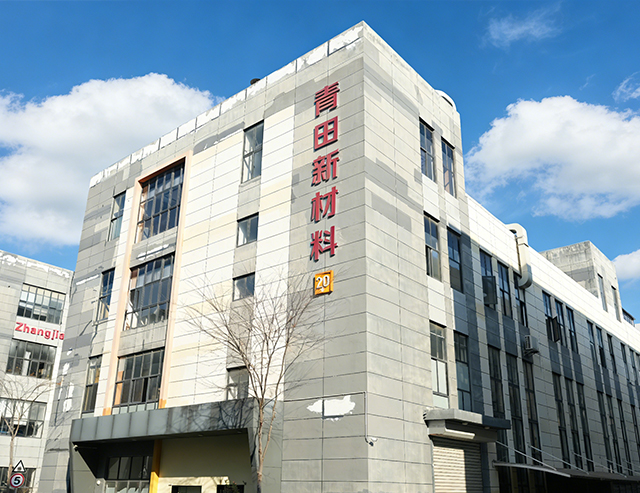
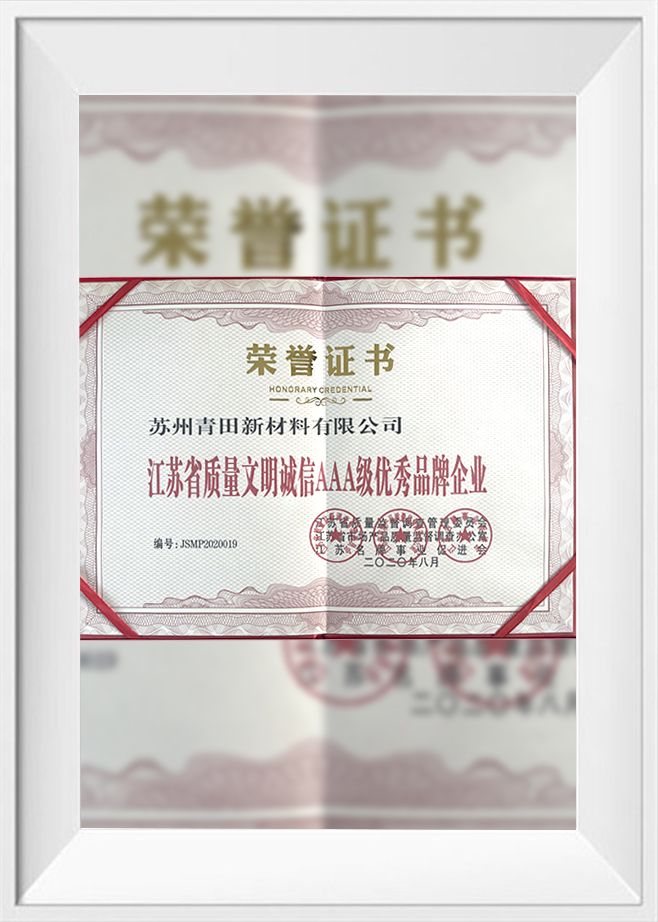
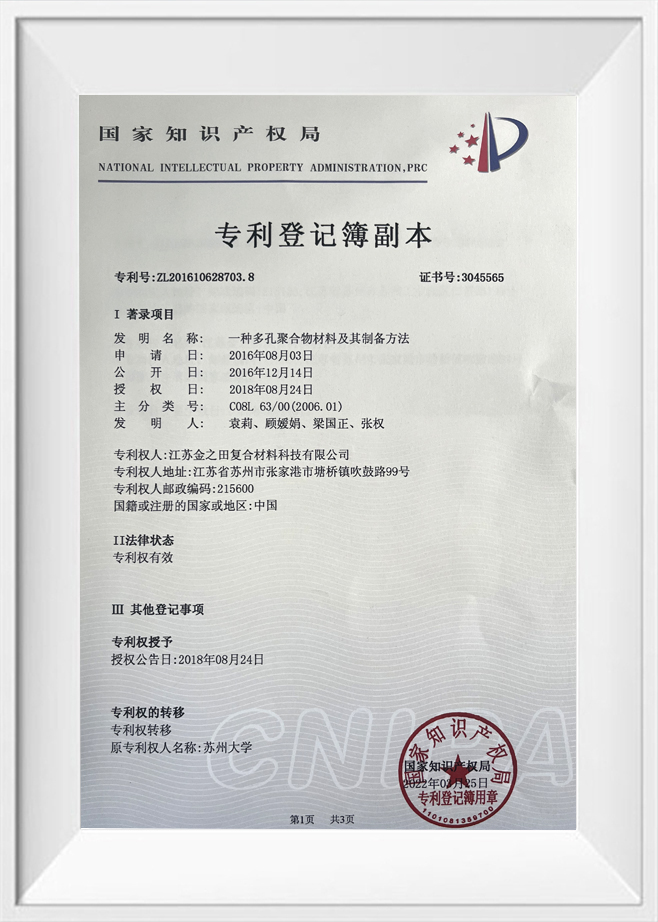
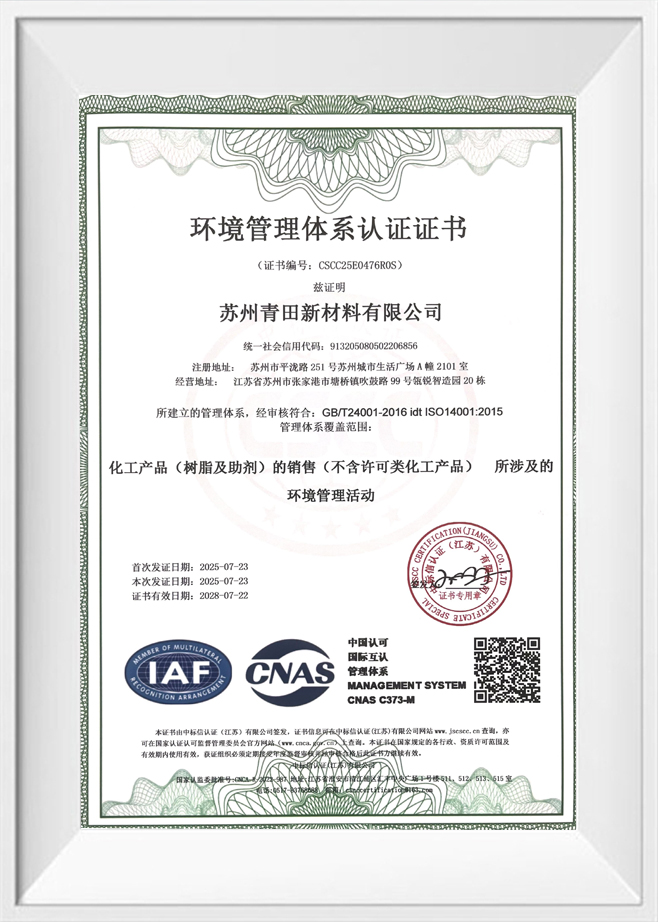
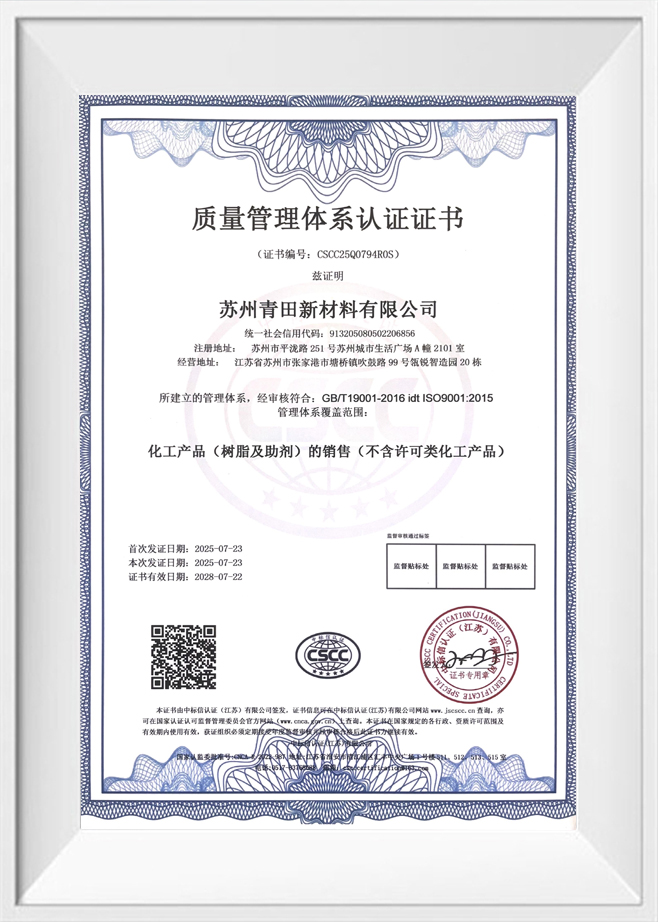
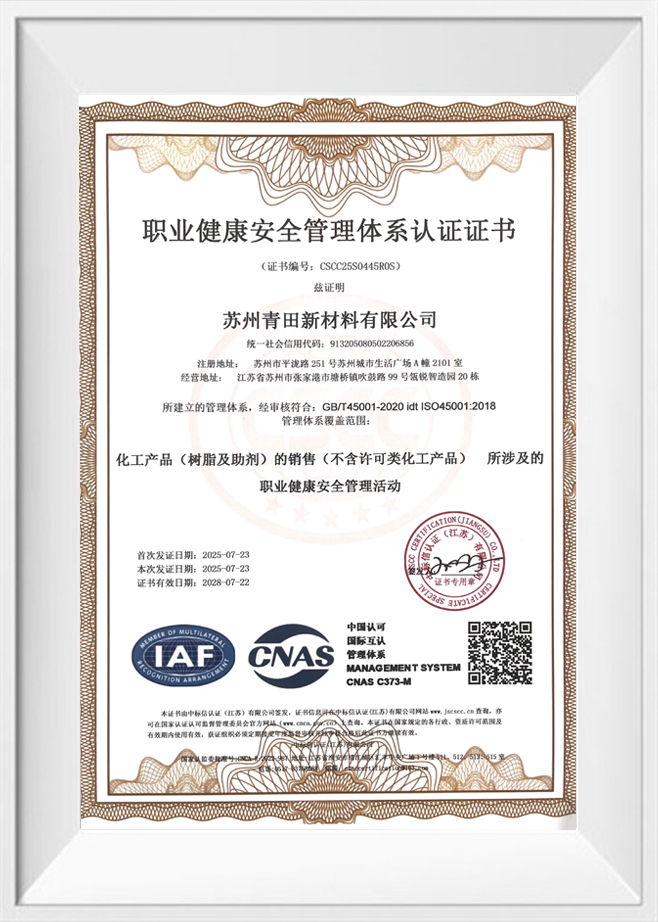
At Suzhou Qingtian New Material Co., Ltd., quality control is implemented at every stage of production, from raw material inspection to final product testing, ensuring that all products exceed industry standards. The quality stability of Texturing Powder Additives is fundamental to ensuring the long-term maintenance of the texture effect. Suzhou Qingtian New Material Co., Ltd. conducts rigorous laboratory testing on each batch of coating during production, including viscosity, pH value, solids content, density, acid value, etc., to ensure that the product meets standards and remains stable in different environments.
This series of tests not only helps confirm the uniform dispersion of Texturing Powder Additive in the coating film, but also ensures that it remains unaffected by external factors such as temperature changes, humidity, or ultraviolet radiation after curing, maintaining the intended texture effect. After these rigorous quality control steps, only products that meet the standards can leave the factory, avoiding potential quality issues that could affect the durability of the texture effect.
Traceability and Consistency of the Production Process
Suzhou Qingtian New Material Co., Ltd. emphasizes traceability and consistency in the production process. All production stages are meticulously recorded and audited to ensure a high degree of consistency in quality for each batch. This traceability is a crucial guarantee for ensuring the durability of the Texturing Powder Additive texture effect. During the coating production process, any non-compliant materials and formulations are promptly identified and corrected, thus avoiding the negative impact of coating quality fluctuations on the texture effect.
For example, parameters such as the amount of texture powder added, dispersion process, and curing temperature are precisely controlled during production to ensure the consistency and durability of the final coating surface texture. Through rigorous monitoring and consistency assurance of the production process, Suzhou Qingtian New Material Co., Ltd. ensures that every batch of paint maintains the same quality and stable texture.
Continuous Customer Feedback Tracking and Improvement
Suzhou Qingtian New Material Co., Ltd. also employs a proactive tracking and feedback mechanism in customer service. Shipping and After-Sales Tracking ensures that customer feedback is promptly recorded and used for continuous product improvement. This continuous improvement feedback process not only addresses the product's appearance quality but also the durability of the texture effect. During paint use, customers may encounter texture-related issues such as wear and fading after prolonged use. Suzhou Qingtian New Material Co., Ltd. understands these issues through customer feedback and adjusts and optimizes the product in a timely manner to ensure that the texture effect of Texturing Powder Additive is maintained for a long time.
Through this continuous improvement in after-sales service, Suzhou Qingtian New Material Co., Ltd. effectively reduces the degradation of texture effects caused by environmental factors (such as humidity and UV exposure) and provides customers with better technical support, ensuring stable product performance under different usage environments.
Adaptability to Environmental Changes
The long-term stability of Texturing Powder Additives in coatings depends not only on their inherent quality but also on the environment in which they are used. Suzhou Qingtian New Material Co., Ltd. ensures the additives exhibit excellent adaptability under common environmental conditions through rigorous quality control and performance testing. For example, the UV stability, high-temperature resistance, and moisture resistance of the coating are key factors affecting the durability of the texture effect. During the production process, Suzhou Qingtian New Material Co., Ltd. can adjust the formulation and process of the additives to meet different customer needs, ensuring that they maintain good texture effects in various environments.
Product Improvement and R&D
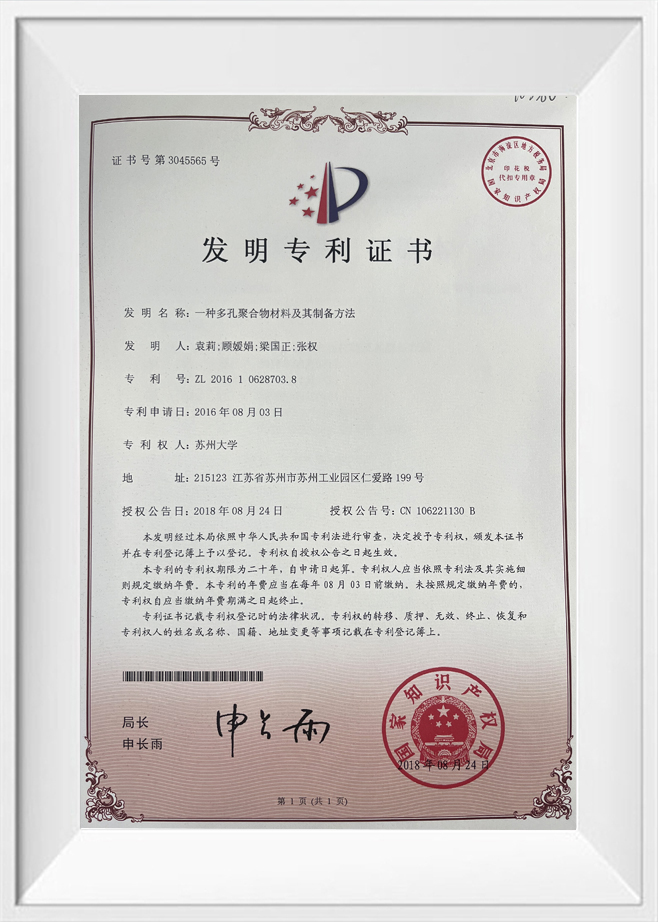
Suzhou Qingtian New Material Co., Ltd. focuses on Research & Development, continuously innovating and improving product performance through ongoing R&D. In the development of Texturing Powder Additives, Suzhou Qingtian New Material Co., Ltd. not only focuses on the aesthetics and uniformity of the texture effect but also strives to improve its stability in extreme environments. For example, the R&D team may enhance the long-term stability of additives in high humidity, high temperature, or strong ultraviolet radiation environments by adjusting the particle size, morphology, and dispersion technology. This continuous technological innovation enables Suzhou Qingtian New Material Co., Ltd. to meet the market's high standards for environmentally friendly and functional coatings while ensuring the durability of texture effects.
 Wholesale Texturing Powder Additive Manufacturers