русский
 Español
 Français
Home / Products / Texture Powder Additive, Micronized Wax Powder Additive / Micronized PTFE Wax Powder Additive
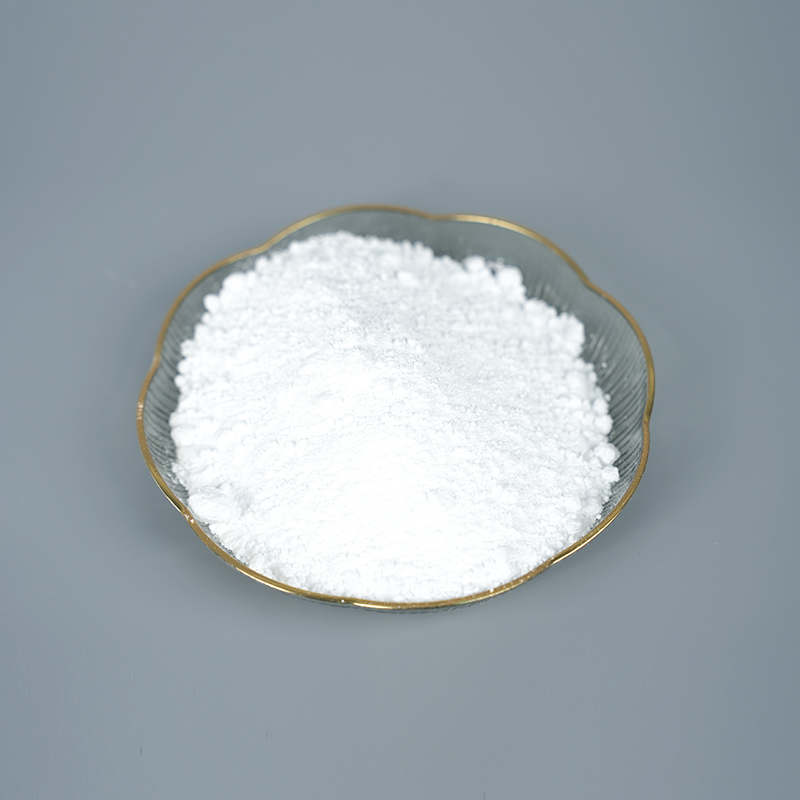
Micronized PTFE Wax Powder Additive Wholesale

Polytetrafluoroethylene (PTFE) wax additive is widely used in coating systems requiring resistance to wear, adhesion, and chemical corrosion. Its main principle is that its low coefficient of friction and chemical inertness allow it to form a robust protective film on the coating surface, effectively improving the coating's wear resistance, anti-adhesion properties, and chemical corrosion resistance.
The molecular structure of PTFE wax powder gives it an extremely low coefficient of friction, significantly reducing friction between the coating surface and objects, minimizing wear and scratches, and extending the coating's service life. Furthermore, the chemical inertness of PTFE makes it resistant to most acids, alkalis, and solvents, resulting in excellent corrosion resistance in harsh chemical environments. The addition of wax powder forms a protective film on the coating surface, effectively isolating it from external chemicals and reducing the risk of corrosion, oxidation, or degradation.
Due to the high-temperature resistance of PTFE wax powder, it can withstand use in high-temperature environments without losing its protective function. This makes it important in high-temperature coating systems, especially in the surface protection of equipment and materials requiring high temperature resistance, such as high-temperature pipeline coatings, automotive engine component coatings, and metal industry coatings.
The anti-adhesion properties of polytetrafluoroethylene wax powder also enable it to play a role in certain coating systems, especially in coatings that need to prevent the adhesion of substances (such as oil, dust, etc.), such as in food processing, pharmaceutical, and chemical equipment, where it can keep the coating surface clean and smooth for a longer period of time.
Introduction: Understanding Adhesion Promoters and Surface Bonding What Is an Adhesion Promoter? An adhesion promoter is a chemical or chemical formulation applied to a substrate surface prior to the ...
READ MOREHow Do Dispersing Agents Influence Pigment Wetting and Stabilization? 1. The Thermodynamics of Pigment Wetting and the Role of Dispersing Agents Pigment wetting is the first and most fundamental...
READ MOREUnderstanding Acrylate Leveling Agents: The Backbone of Surface Excellence In the sophisticated world of industrial coatings, achieving a flawless, mirror-like finish is not merely an aesthetic prefer...
READ MOREThe essence of snow-melting agents is that they are "phase change regulators" that lower the freezing point by altering the phase change mechanism of water. This characteristic, while different in app...
READ MOREFirst Generation: Sodium Chloride – A Classic “Pioneer” Industrial salt is a relatively traditional and economical de-icing agent. Raw materials are readily available, costs are low, and it works well...
READ MOREMicronized PTFE Wax Powder Additive is widely used in the coatings industry to improve the abrasion and scratch resistance of coatings due to its extremely low coefficient of friction. Its effect is not only reflected in increased coating hardness but also in improved abrasion and scratch resistance by altering the surface friction behavior of the coating.
Low Coefficient of Friction Improves Abrasion Resistance: PTFE (polytetrafluoroethylene) is a material with an extremely low coefficient of friction. Introducing micronized PTFE wax powder into the coating significantly reduces surface friction. PTFE's near-zero coefficient of friction means it can form a low-friction lubricating layer on the coating surface, thereby reducing direct friction between external objects and the coating. This low-friction behavior slows down physical contact wear on the coating surface, significantly improving abrasion resistance. Therefore, the coating can maintain a high degree of integrity during long-term use, especially in industrial applications, furniture surfaces, and automotive coatings where wear-resistant coatings are required. This additive plays a crucial role in these applications.
Improved Scratch Resistance: Scratch is a common cause of coating damage, typically occurring when hard objects apply pressure to the coating surface. PTFE wax powder additives, through their unique lubricating effect, reduce friction when the coating surface comes into contact with external objects. Specifically, PTFE particles migrate to the coating surface during the curing process, forming an extremely thin lubricating layer. This layer effectively disperses external scratching forces, reducing the chance of the coating being scratched or broken. Therefore, the coating surface exhibits higher scratch resistance when subjected to light to moderate scratches.
Reduced Physical Wear: Another advantage of micronized PTFE wax powder is its ability to reduce wear caused by long-term friction on the coating surface. In high-friction environments, such as the housings of industrial equipment, transportation equipment, and the surfaces of mechanical parts subject to high-frequency friction, the coating faces constant wear pressure. The presence of PTFE reduces wear by forming micro-lubricating interfaces, decreasing the relative motion of surface materials involved in friction. This effect is similar to that of lubricating oil in mechanical parts, but PTFE wax powder in solid coatings provides a durable self-lubricating function.
Enhanced Coating Durability: Another effect of micronized PTFE wax powder is its significant extension of coating durability. By reducing friction and wear, the overall lifespan of the coating is extended. In harsh working environments, coating damage is often associated with friction and scratching, such as in electronic device housings and automotive coatings. PTFE's self-lubricating properties help maintain a smooth coating surface, reducing the rate of damage.
Optimized Surface Quality: In addition to improving wear resistance and scratch resistance, PTFE wax powder also improves the surface smoothness of the coating. By forming a micro-lubricating layer, it enhances the surface finish of the coating, making the surface more uniform and avoiding roughness or irregular textures caused by friction. This results in a smoother, more refined appearance and feel, making it suitable for applications with high surface finish requirements.
Micronized PTFE Wax Powder Additive, as a micronized powder additive, is commonly used in coating formulations to improve surface properties, especially abrasion and wear resistance. However, its impact on coating flow needs to be evaluated based on the viscosity of the coating system, the amount added, and the dispersion technique. Specifically, the application of micronized PTFE wax powder in low-viscosity coatings requires special attention to dispersibility and formulation optimization.
Suitability in Low-Viscosity Coatings: Low-viscosity coatings are typically used in processes such as spraying, brushing, or roller coating. Their lower viscosity results in better flowability and spreadability, making them suitable for fine surface coverage. In such systems, micronized PTFE wax powder, as an additive, may affect flowability, but the impact is relatively small if uniform dispersion can be ensured. In fact, the addition of micronized PTFE can sometimes improve surface properties, such as lubricity, scratch resistance, and abrasion resistance, while maintaining coating flowability.
Impact on Flowability: Micronized PTFE wax powder is a solid particle, and its addition can indeed affect the flowability of coatings. Specifically, the viscosity of the coating may increase slightly after adding PTFE wax powder, especially at higher concentrations. This is because PTFE particles form a solid structure in the coating, which may increase the coating's "thixotropy" (i.e., the change in flowability of the coating under shear stress). However, if the addition amount is moderate and the formulation is optimized, the effect can be controlled.
Influencing Factors:
Solutions
To ensure that adding PTFE wax powder to low-viscosity coatings does not affect flowability, the following methods can be adopted:
In high-solids-content coating systems, the dispersibility of micronized PTFE wax powder is crucial because these coatings often have high viscosity and low solvent content, making uneven particle dispersion and sedimentation potential problems. To ensure uniform dispersion of micronized PTFE wax powder in high-solids-content systems, advanced technology and equipment are required, along with strict quality control of raw materials from the source during production, precise adherence to the formulation, and utilization of efficient production processes.
Efficient Production Processes Ensure Quality Consistency
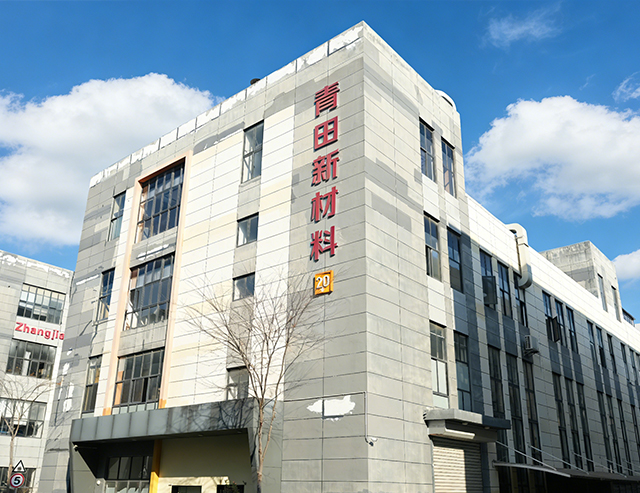
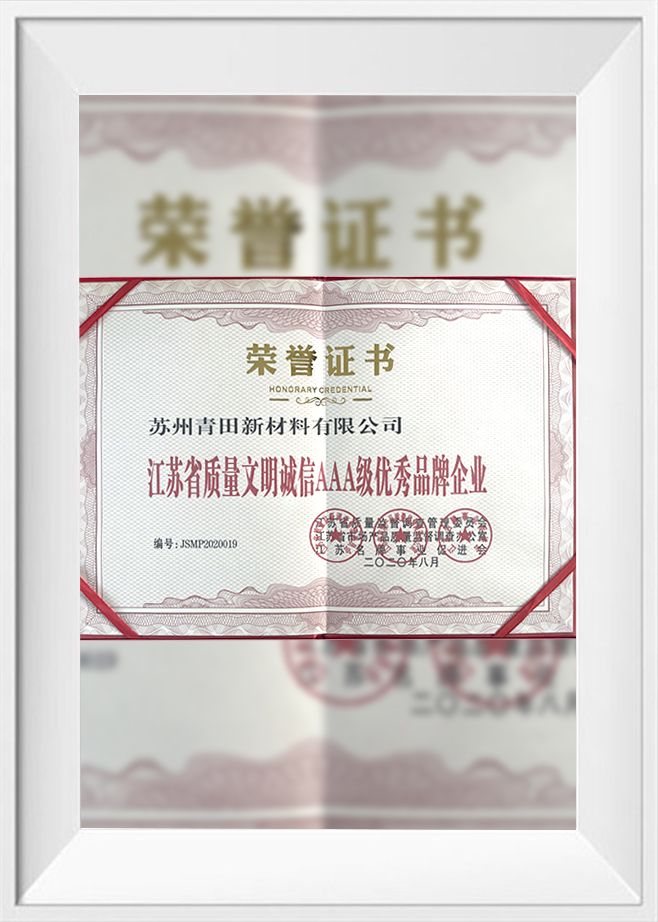
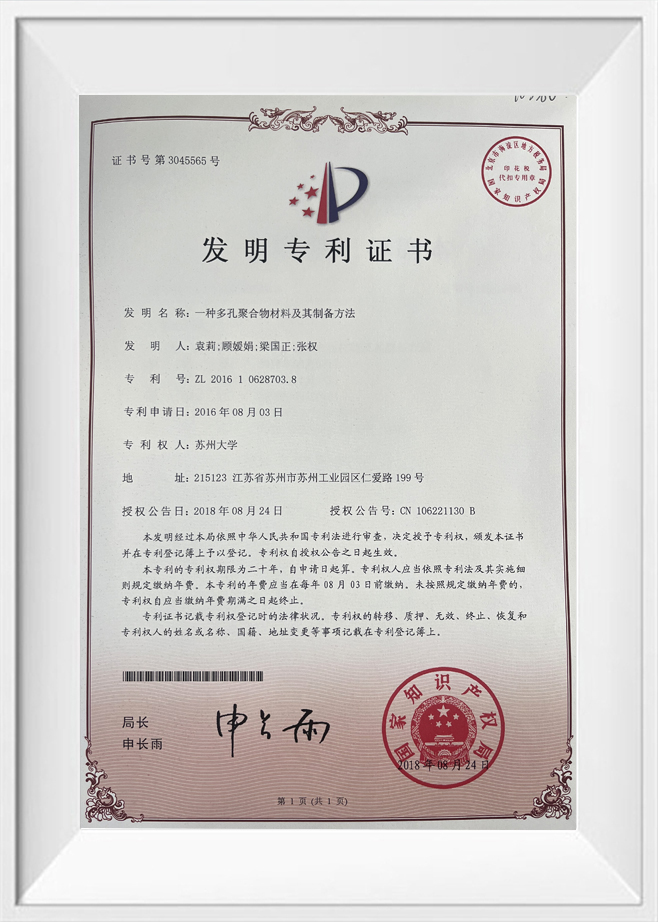
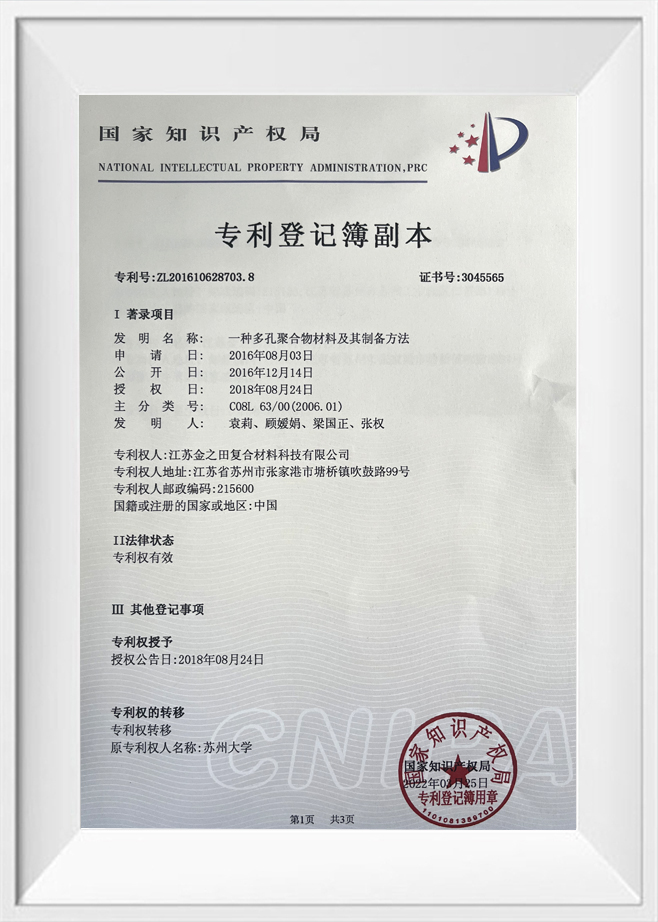
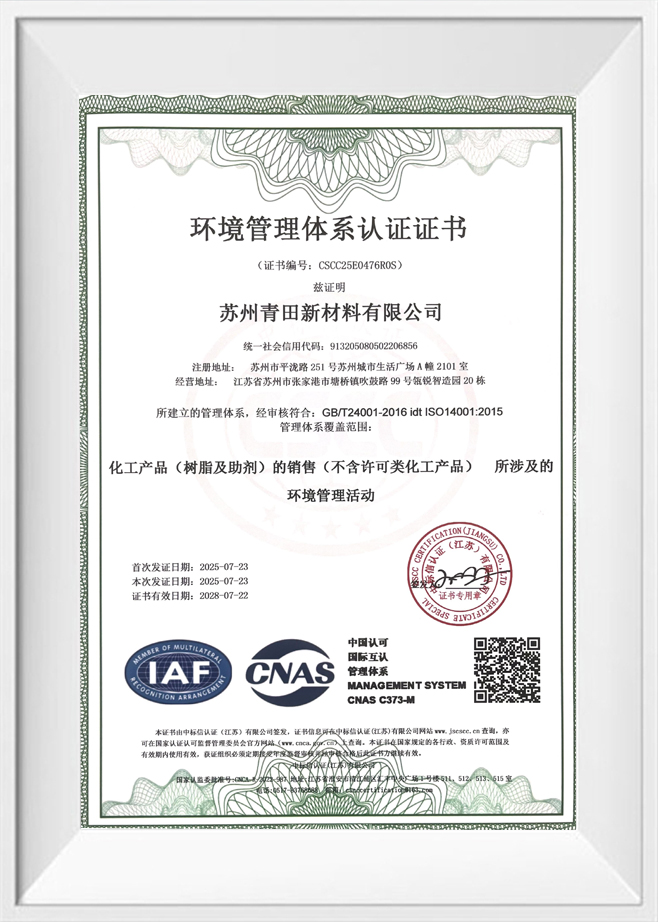
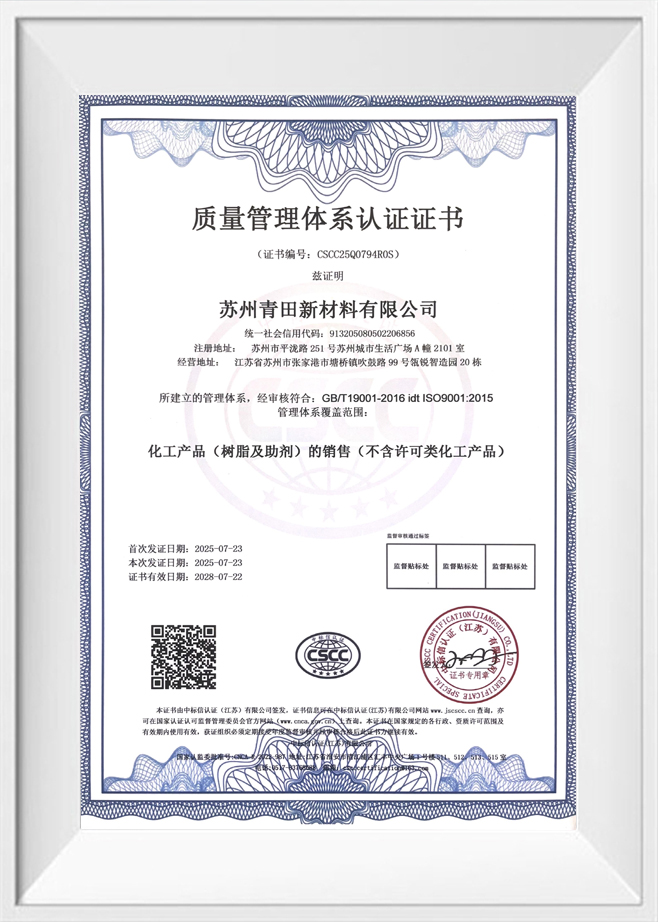
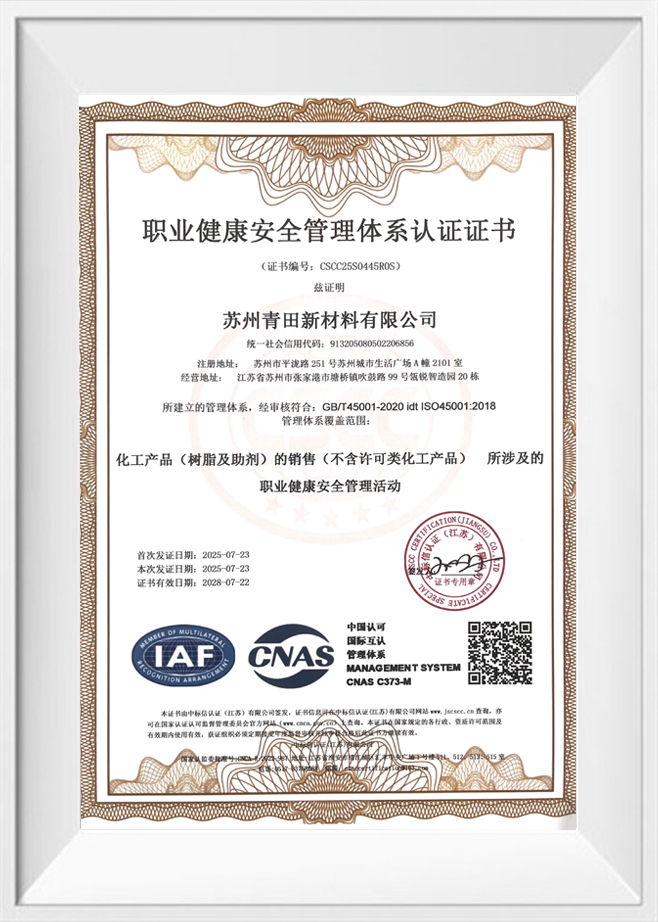
At Suzhou Qingtian New Material Co., Ltd., the efficiency and quality control of the production process are key to ensuring the consistency and stability of each batch of products. To ensure the uniform dispersion of Micronized PTFE Wax Powder Additive, the quality stability and uniformity of the additive particles must first be guaranteed during the production process. Through precise manufacturing processes, Suzhou Qingtian New Material Co., Ltd. ensures that each batch of PTFE wax powder achieves a uniform particle size distribution, which is crucial for subsequent dispersion and coating performance.
Suzhou Qingtian New Material Co., Ltd. utilizes a highly efficient production process and automated control to ensure that each batch of PTFE wax powder exhibits consistent physical properties and chemical stability, avoiding inconsistencies in coating performance caused by raw material fluctuations. This production process guarantees the stability and consistency of the PTFE powder, resulting in better dispersion when applied to high-solids content coatings.
Raw Material Screening and Testing Ensures Stable Quality
Suzhou Qingtian New Material Co., Ltd. rigorously selects raw material suppliers and conducts rigorous testing on all raw materials. This is fundamental to ensuring the uniform dispersion of Micronized PTFE Wax Powder Additive in coatings. The quality of the raw materials directly determines the dispersibility of the PTFE wax powder and the performance of the final coating film. High-quality PTFE wax powder exhibits good dispersibility and is less prone to agglomeration, which is particularly important for applications in high-solids content coatings.
By rigorously controlling raw materials, Suzhou Qingtian New Material Co., Ltd. ensures the reliable quality of each batch of PTFE wax powder, thus guaranteeing excellent dispersibility in high-viscosity coating systems. This process ensures that high-quality PTFE powder can be effectively dispersed during production, reducing potential particle settling and stratification issues in the coating.
Precise Weighing and Batching Process
During production, Suzhou Qingtian New Material Co., Ltd. employs automated or semi-automated weighing and batching systems to precisely batch materials according to the formula ratio. This process is crucial for ensuring the uniform dispersion of Micronized PTFE Wax Powder Additive in the coating. Automated control ensures that the formula ratio is completely consistent for each batch, avoiding errors or inconsistencies that may occur with manual batching.
Furthermore, the precise batching and weighing system not only guarantees the uniform distribution of PTFE powder in the coating but also prevents over-addition in high-solids-content coatings. Excessive addition of PTFE powder can not only affect the flowability of coatings but may also lead to a grainy or uneven film. Through a precise batching system, Suzhou Qingtian New Material Co., Ltd. effectively controls the amount of PTFE powder added, thereby ensuring stable coating performance.
Automated Filling and Packaging Ensures Product Consistency
In the filling and packaging stage of Suzhou Qingtian New Material Co., Ltd.'s production process, automated control not only ensures the sealing and contamination prevention of the product but also ensures the traceability of each batch through a batch tracking system. This is crucial for the quality management of Micronized PTFE Wax Powder Additive. In the production of high-solids content coatings, ensuring the integrity and contamination-free nature of the PTFE powder is paramount, especially in high-viscosity systems, where even minute particulate contamination can affect the final coating effect. Through fully automated filling and packaging processes, Suzhou Qingtian New Material Co., Ltd. ensures the contamination-free and consistent quality of each batch of products, thus avoiding uneven dispersion and coating performance fluctuations caused by substandard or contaminated materials.
Optimized Dispersion Process and Equipment
Given Suzhou Qingtian New Material Co., Ltd.'s emphasis on precise control in its production process, optimizing the dispersion process is crucial. In high-solids content coating systems, high-shear dispersion equipment, such as high-speed dispersers or sand mills, is typically required to ensure uniform dispersion of PTFE wax powder in the resin. Since coating systems contain a high proportion of solid components, efficient dispersion technology effectively prevents the agglomeration and sedimentation of micronized PTFE wax powder, maintaining the rheological properties and stability of the coating.
Suzhou Qingtian New Material Co., Ltd. ensures that PTFE wax powder is fully dispersed and forms a uniform coating with the resin matrix through precise ingredient formulation and efficient production equipment. This significantly improves coating properties such as abrasion resistance, scratch resistance, and durability.
 Wholesale Micronized PTFE Wax Powder Additive Manufacturers