


 русский
 Español
 Français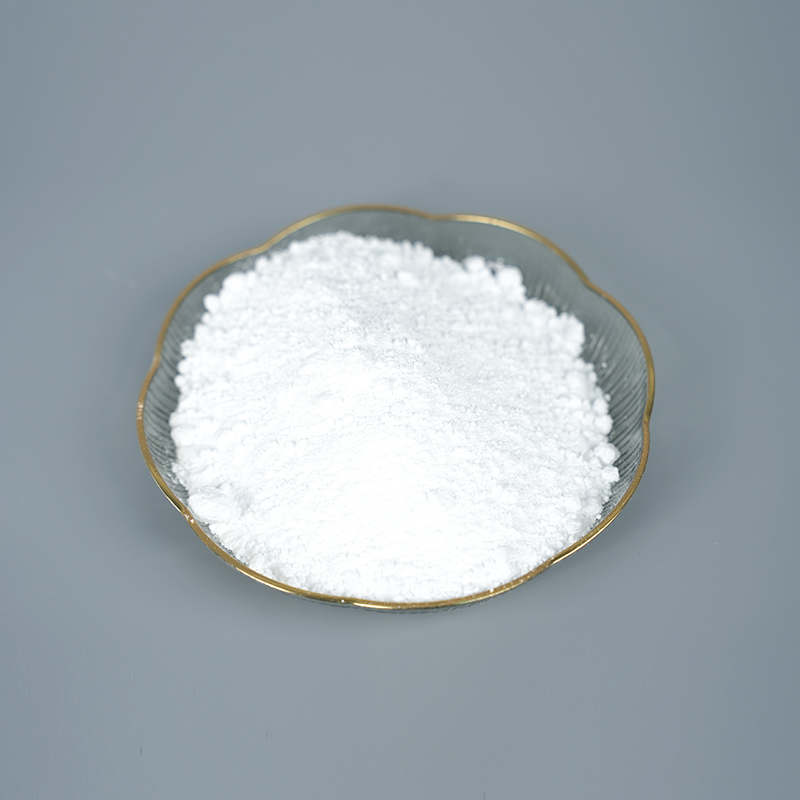
Introduction: Understanding Adhesion Promoters and Surface Bonding What Is an Adhesion Promoter? An adhesion promoter is a chemical or chemical formulation applied to a substrate surface prior to the ...
READ MORE
Product Category
Custom Texture Powder Additive/ Micronized Wax Additive Manufacturers
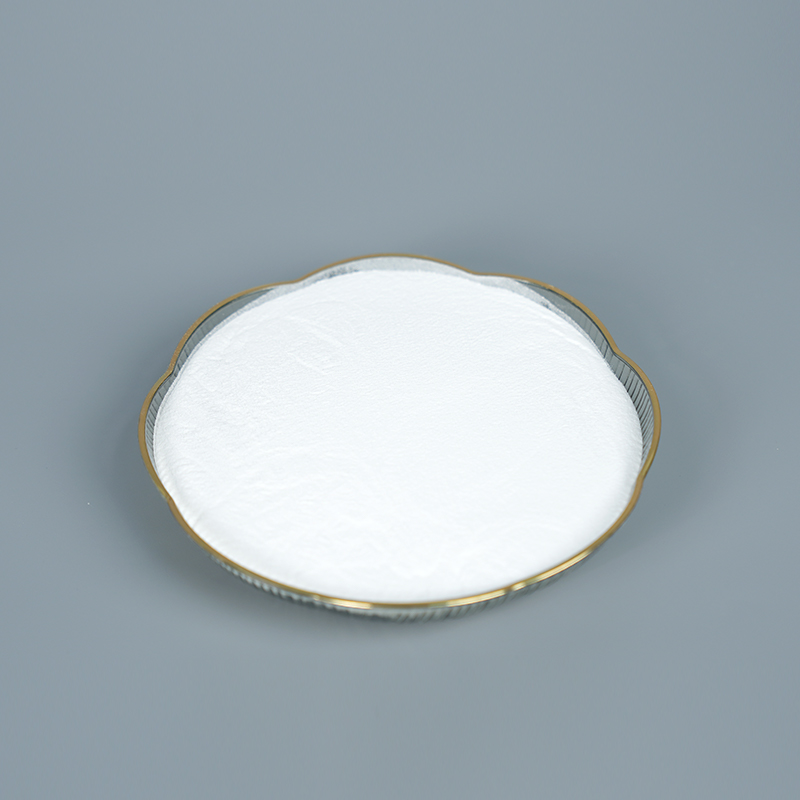
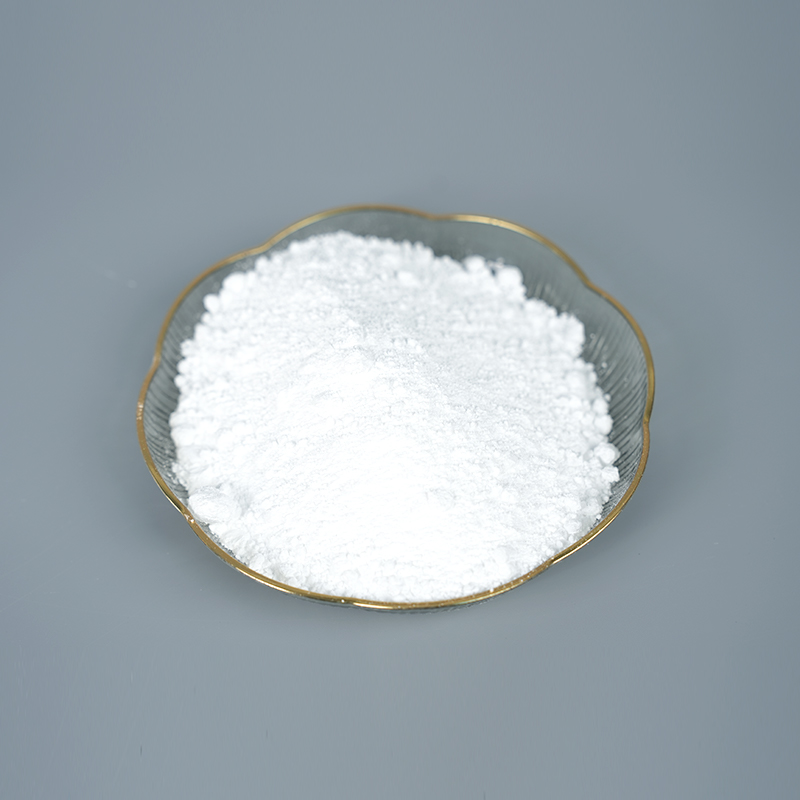
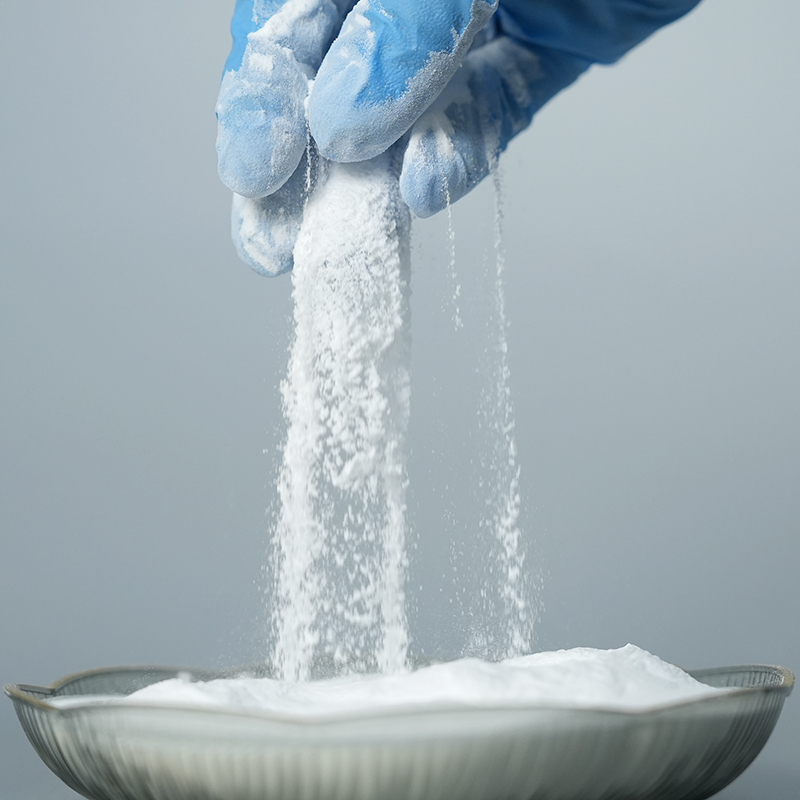
Texture powder additive and wax powder additive are common functional additives in coatings, primarily used to improve the feel, surface finish, and abrasion resistance of coatings. They enhance the physical properties of the coating, providing unique surface effects such as slip resistance, abrasion resistance, and a more tactile surface texture. These additives are widely used in coating systems requiring specific surface feel and durability.
Texture powder additive typically consists of coarse inorganic particles. When added to coatings, it creates a rough, granular surface, providing a certain degree of slip resistance. By increasing the surface roughness of the coating, it improves the coefficient of friction, resulting in better slip resistance. It is widely used in floor coatings, industrial coatings, and some exterior coatings. Furthermore, texture powder can improve the abrasion resistance and scratch resistance of coatings, making it suitable for high-frequency use surfaces such as industrial equipment, traffic markings, and floors.
Wax powder additive, on the other hand, is usually made from synthetic or natural waxes. When added to coatings, it provides a smooth, delicate surface finish and improves the coating's abrasion resistance. The main function of wax powder is to reduce the coefficient of friction of the coating through its unique surface properties, thereby enhancing the coating's scratch resistance, stain resistance, and self-cleaning properties. In coatings requiring high gloss or an extremely fine surface texture, the use of wax powder helps to enhance the smoothness of the coating and improve its stain resistance and fingerprint resistance. It is commonly used in furniture coatings, automotive coatings, and some household appliance coatings.
About Us
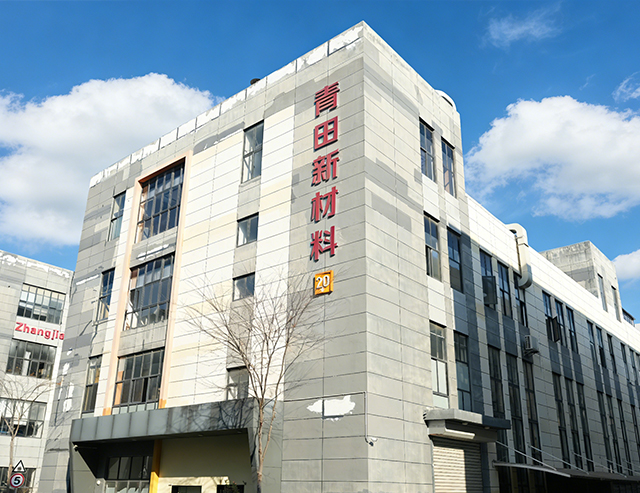
Suzhou Qingtian New Material Co., Ltd.
Suzhou Qingtian New Material Co., Ltd. is professional China Texture Powder Additive Manufacturers and Custom Micronized Wax Additive Suppliers specializing in raw materials for coatings, inks, and adhesives. Through years of effort, the company has developed a professional R&D team, sales team, and production base, equipped with comprehensive testing equipment and cutting-edge technical R&D personnel, striving tirelessly to serve customers and lead the market.
The company's main products include dispersants, leveling agents, defoamers, adhesion promoters, anti-settling agents, cooling agents, conductive agents, orange peel texture agents, texture powders, and wax powders. The products have a wide sales range, covering steel and aluminum coil coatings, plastic coatings, UV curing, anti-corrosion coatings, wood coatings, glass coatings, epoxy flooring, printing inks, power batteries, photovoltaic panels, and other fields. In response to the national environmental protection concept of "clear waters and blue skies," the company continuously innovates and develops water-based products, contributing to the development of the water-based industry.
Qingtian New Material adheres to the business philosophy of "Professionalism, Integrity, Service, and Win-Win," and has adopted advanced international marketing concepts and market management models to provide high-quality products and services to new and old customers, achieving win-win results with trustworthy partners.
The company's main products include dispersants, leveling agents, defoamers, adhesion promoters, anti-settling agents, cooling agents, conductive agents, orange peel texture agents, texture powders, and wax powders. The products have a wide sales range, covering steel and aluminum coil coatings, plastic coatings, UV curing, anti-corrosion coatings, wood coatings, glass coatings, epoxy flooring, printing inks, power batteries, photovoltaic panels, and other fields. In response to the national environmental protection concept of "clear waters and blue skies," the company continuously innovates and develops water-based products, contributing to the development of the water-based industry.
Qingtian New Material adheres to the business philosophy of "Professionalism, Integrity, Service, and Win-Win," and has adopted advanced international marketing concepts and market management models to provide high-quality products and services to new and old customers, achieving win-win results with trustworthy partners.
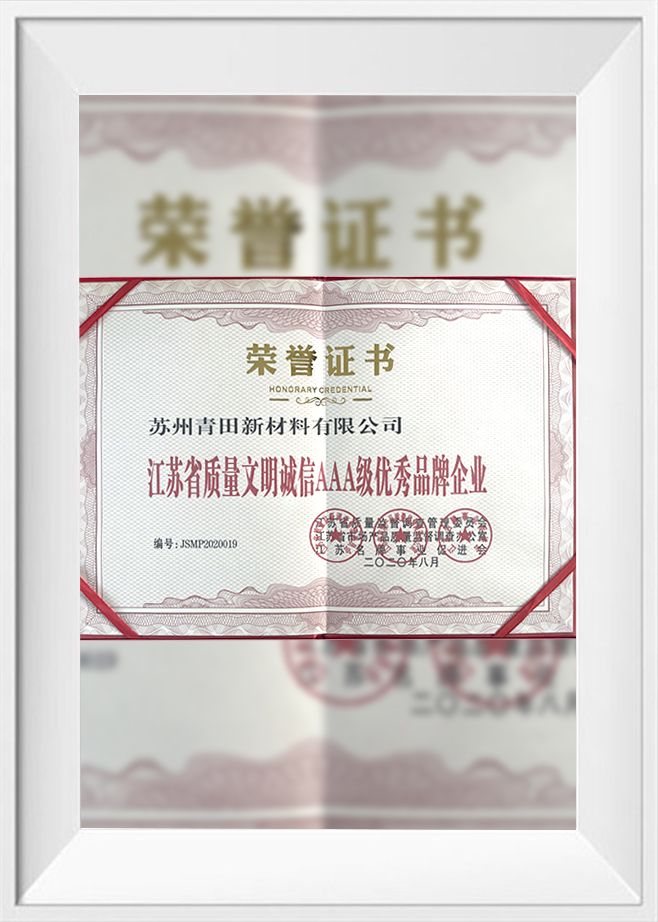
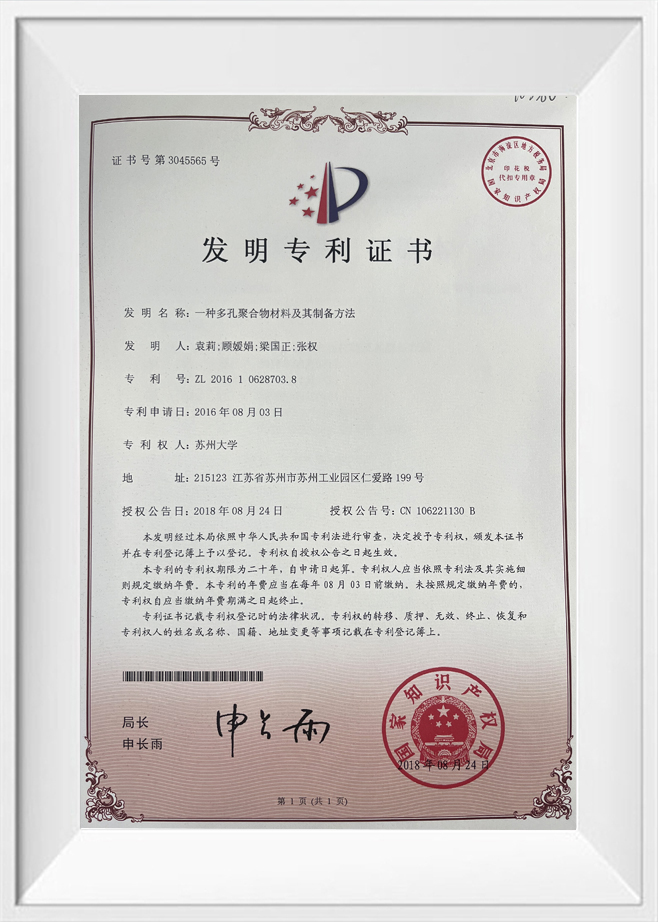
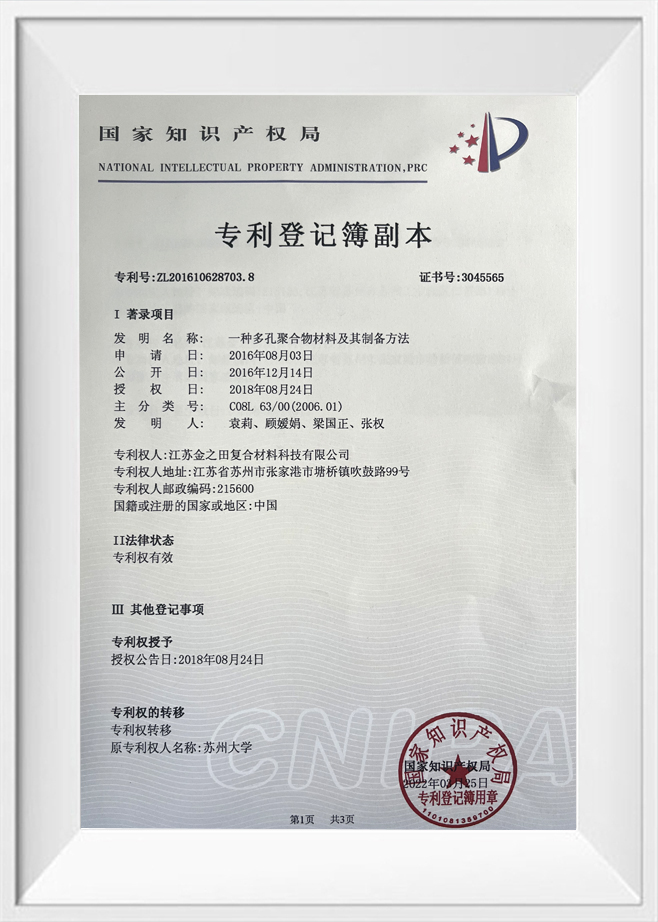
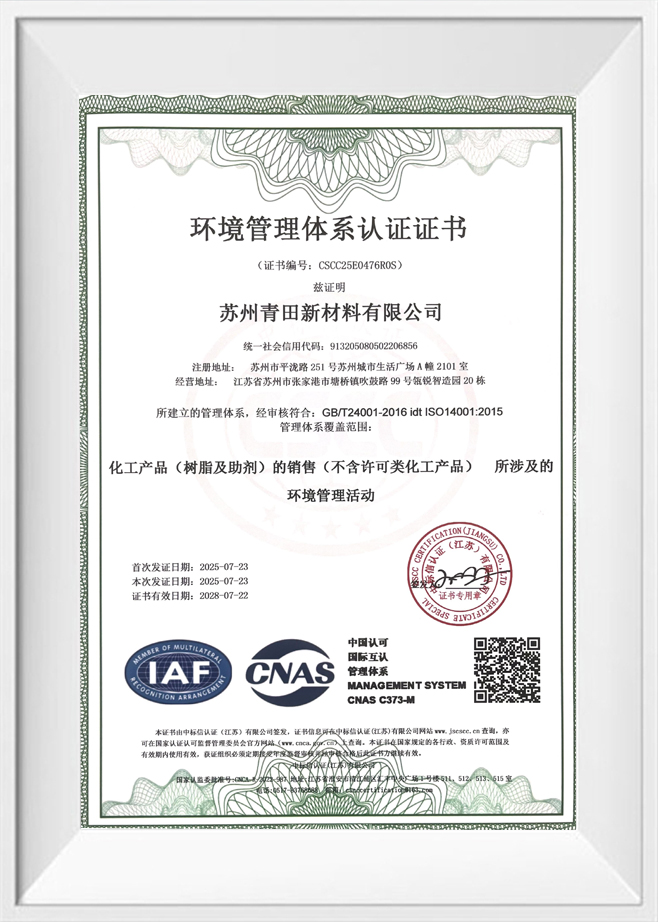
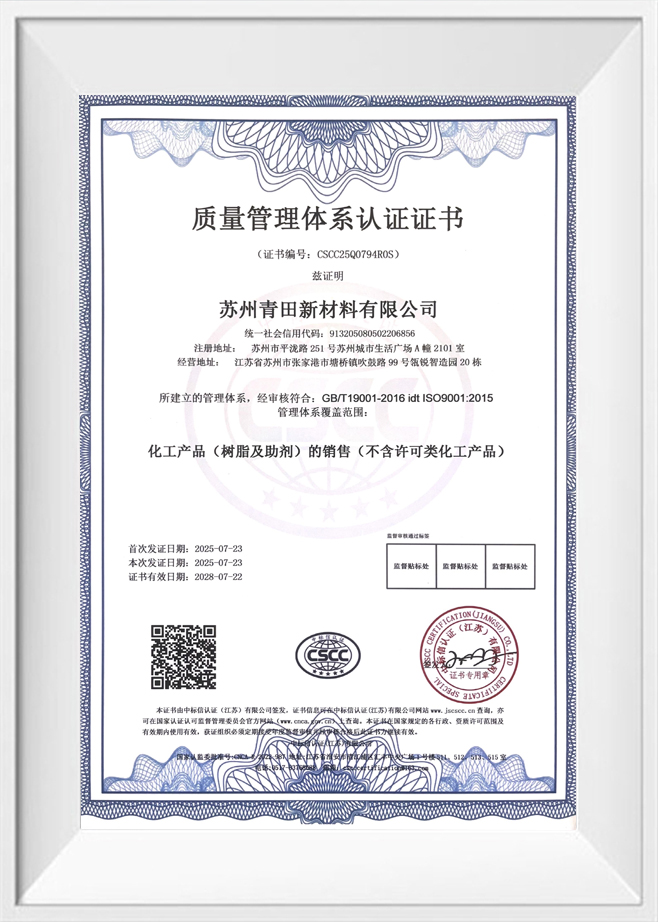
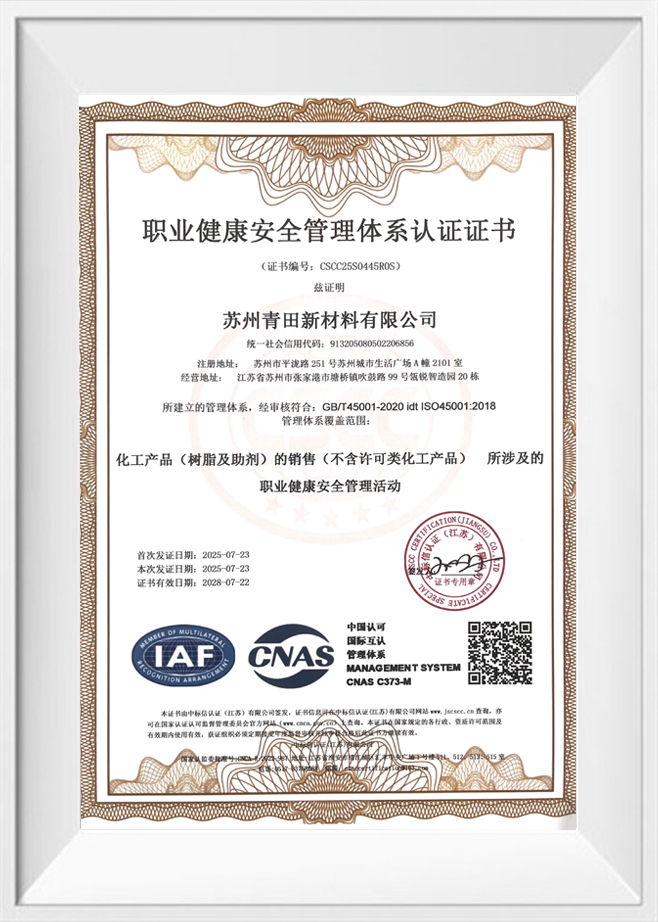
Certificate Of Honor
News
-
-
How Do Dispersing Agents Influence Pigment Wetting and Stabilization? 1. The Thermodynamics of Pigment Wetting and the Role of Dispersing Agents Pigment wetting is the first and most fundamental...
READ MORE -
Understanding Acrylate Leveling Agents: The Backbone of Surface Excellence In the sophisticated world of industrial coatings, achieving a flawless, mirror-like finish is not merely an aesthetic prefer...
READ MORE -
The essence of snow-melting agents is that they are "phase change regulators" that lower the freezing point by altering the phase change mechanism of water. This characteristic, while different in app...
READ MORE -
First Generation: Sodium Chloride – A Classic “Pioneer” Industrial salt is a relatively traditional and economical de-icing agent. Raw materials are readily available, costs are low, and it works well...
READ MORE
Message Feedback
Texture Powder Additive, Micronized Wax Powder Additive Industry knowledge
Surface Performance Upgrade: From Smoothness to Texture
In modern industrial coatings and ink formulations, the visual aesthetics and functional tactile feel of the surface have become the core of product competitiveness. Suzhou Qingtian New Material Co., Ltd., as a professional supplier of raw materials for coatings, inks, and adhesives, has long been committed to providing high-performance surface modification solutions for global customers through advanced R&D. In enhancing coating texture, Texture Powder Additive and Micronized Wax Additive play indispensable roles.
Reshaping Touch and Vision: Texture Powder Additive
The introduction of Texture Powder Additive has completely changed the singular smoothness of traditional coatings. By precisely controlling the powder material (such as polyethylene, polypropylene, or polyurethane) and its physical morphology, these additives can form microscopic protrusions on the coating surface.
- Visual Effects: From a fine sand-texture to a coarse leather-like grain, various effects can be achieved by adjusting the particle size distribution of the Texture Powder Additive.
- Functional Enhancement: In addition to beautifying the appearance, it significantly enhances surface anti-slip performance and the ability to mask substrate defects.
The Ultimate in Slip and Protection: Micronized Wax Additive
In contrast, Micronized Wax Additive focuses more on the microscopic smoothness and damage resistance of the coating. The micronized wax produced by Suzhou Qingtian New Material Co., Ltd. utilizes advanced micronization technology to ensure excellent compatibility in various resin systems.
- Floating Mechanism: During the drying process of the coating, Micronized Wax Additive directionally migrates to the surface, forming a dense molecular protective layer.
- Physical Protection: This film greatly reduces the coefficient of friction, giving the coating superior scratch resistance, anti-blocking properties, and wear resistance.
Core Parameter Comparison: Physical Characteristics at a Glance
To help formulators accurately select materials, the following table lists the key parameter comparisons between Texture Powder Additive and Micronized Wax Additive in typical applications:
| Key Parameters | Texture Powder Additive | Micronized Wax Additive |
| Main Function | Create tactile texture, anti-slip, masking | Improve slip, matting, scratch resistance |
| Common Average Particle Size (D50) | 30um - 100um | 2um - 20um |
| Typical Dosage (Total Weight) | 3% - 10% | 0.5% - 3% |
| Hardness (Shore D) | High, provides a hard grainy feel | Medium, provides a silky or waxy feel |
| Impact on Gloss | Significant matting, varies with particle size | Precise gloss control, fine matte effect |
Suzhou Qingtian Professional Perspective
In actual formulation design, technical experts at Suzhou Qingtian New Material Co., Ltd. usually recommend using Texture Powder Additive and Micronized Wax Additive in synergy. This combination not only achieves a rich layered texture visual effect but also ensures that the textured surface has excellent hand-feel smoothness and stain resistance, widely used in 3C electronic products, plastic coatings, and high-end wood lacquers.
Core Technology and Texture Control of Texture Powder Additive
In the coating industry, achieving a perfect surface texture is inseparable from the precise control of the physical properties of Texture Powder Additive. Suzhou Qingtian New Material Co., Ltd., with its modern production facilities and cutting-edge R&D team, has developed a series of specialized texture powders for different substrates (such as steel and aluminum coils, plastics, and wood), aiming to help customers stand out in the fierce market competition.
Composition Classification and Performance Orientation
The chemical composition of Texture Powder Additive directly determines its hardness, heat resistance, and hand-feel in the coating. Suzhou Qingtian New Material Co., Ltd. provides multiple material options to match different application scenarios:
- Polyethylene (PE) Texture Powder: Has excellent flexibility and anti-slip feel, commonly used in industrial flooring and anti-slip coatings.
- Polypropylene (PP) Texture Powder: Has a higher melting point and hardness, performing exceptionally well in powder coatings and high-temperature baking systems, maintaining shape stability.
- Polyurethane (PU) Texture Powder: Provides an excellent soft-touch feel, widely used in 3C electronic products and automotive interior coatings.
The Decisive Role of Particle Size Distribution
For Texture Powder Additive, particle size is not just a physical parameter but a palette for visual art. Technical experts at Suzhou Qingtian New Material Co., Ltd. strictly control the D50 and D90 parameters of products using advanced testing equipment to ensure batch-to-batch consistency.
- Fine Sand Surface (20um - 40um): Produces a microscopic matte texture with soft gloss, suitable for office equipment and high-end stationery.
- Medium Texture (50um - 80um): Simulates leather or fine metal sandblasting effects, balancing touch and scratch resistance.
- Coarse Texture (100um - 150um): Provides strong visual impact and an extremely high anti-slip coefficient, suitable for heavy machinery and outdoor facilities.
Application Parameters and Effect Comparison
When developing formulations containing Texture Powder Additive, understanding the physical parameters of different material powders is crucial. Below is a comparison of typical parameters for the standard series products from Suzhou Qingtian New Material Co., Ltd.:
| Physical Properties | PE Series Texture Powder | PP Series Texture Powder | PU Series Texture Powder |
| Melting Point (Celsius) | 105 - 120 | 145 - 165 | No obvious melting point (Thermoset) |
| Hardness (Shore D) | 55 - 65 | 70 - 80 | 40 - 60 (High elasticity) |
| Solvent Resistance | Good | Excellent | Superior |
| Main Hand-feel | Waxy soft feel | Hard matte feel | Elastic fleshy feel |
| Recommended Industry | Coil coatings, wood paint | Industrial anti-corrosion, powder coating | Phone cases, automotive interiors |
Suzhou Qingtian Professional Advantages
In the laboratories of Suzhou Qingtian New Material Co., Ltd., our R&D experts not only focus on the visual effects brought by Texture Powder Additive but also on its dispersion stability in complex systems (such as UV curing or epoxy flooring). Our texture powders undergo special surface treatments to effectively prevent severe sedimentation or clumping during storage, ensuring a smooth construction process.
Micronized Wax Additive: More Than Just Slip
In modern coating systems, Micronized Wax Additive is a core functional component for enhancing the physical resistance and surface appearance of the coating. Suzhou Qingtian New Material Co., Ltd., with years of technical accumulation and modern production facilities, has developed a series of micronized wax products with extremely narrow particle size distribution and excellent dispersibility, aiming to solve customer pain points such as coating scratches, blocking, and difficulty in gloss control.
Surface Physical Modification: Microscopic Floating Mechanism
During the drying or curing process of the coating, Micronized Wax Additive directionally migrates to the surface by utilizing the polarity difference and density difference with the resin system. This process (commonly known as Blooming) forms an extremely dense molecular protective layer on the surface.
- Reducing Coefficient of Friction (COF): The micronized wax from Suzhou Qingtian New Material Co., Ltd. significantly improves surface slip, allowing external hard objects to slide over rather than scratch the surface upon contact.
- Anti-blocking Properties: In coil coatings or workpieces stored in stacks, Micronized Wax Additive prevents the coatings from sticking to each other under high temperature or pressure.
Precise Matting and Transparency Balance
Compared to traditional inorganic matting agents, Micronized Wax Additive provides a finer and softer matting effect. R&D experts at Suzhou Qingtian New Material Co., Ltd. utilize micronization technology to ensure uniform distribution of wax powder particles in the coating, achieving:
- Superior Transparency: In high-end wood lacquers or metal paints, using specific micronized waxes maintains the clarity of the film without significant "whitening."
- Sedimentation Resistance: Due to its density being close to organic systems, Micronized Wax Additive shows better storage stability in dip tanks or finished paints compared to inorganic materials like silica.
Application Parameters and Key Physical Performance Comparison
In formulation design, the chemical composition of the wax (such as polyethylene, polypropylene, or amide) determines its final performance. The table below shows the core parameter comparison of the Micronized Wax Additive series from Suzhou Qingtian New Material Co., Ltd.:
| Key Parameters | Polyethylene Wax (PE) | Polypropylene Wax (PP) | Amide Wax |
| Melting Point (Celsius) | 105 - 115 | 140 - 150 | 140 - 145 |
| Average Particle Size (D50) | 5um - 12um | 6um - 15um | 4um - 10um |
| Mohs Hardness | Medium | High | Low (Good toughness) |
| Core Function | General scratch/wear resistance | High wear/thermal stability | Release, anti-blocking, anti-metal marking |
| Main Applications | Printing inks, wood paint | Powder coatings, industrial paint | Can coatings, plastic paint |
Suzhou Qingtian Technical Assurance
As a professional additive manufacturer, the production base of Suzhou Qingtian New Material Co., Ltd. is equipped with advanced laser particle size analyzers, ensuring that every batch of Micronized Wax Additive precisely meets the predetermined particle size specifications. Whether in the high-speed reactions of UV curing systems or the long-term protection of traditional solvent-based systems, our products maintain excellent affinity, helping customers achieve a qualitative change in coating surface performance.
In-depth Comparison: Texture Powder Additive vs. Micronized Wax Additive
In the development of high-performance coatings and inks, choosing the right additive is key to achieving the desired surface effect. Suzhou Qingtian New Material Co., Ltd., with years of deep cultivation in the chemical additive field, understands that while Texture Powder Additive and Micronized Wax Additive can both improve surface performance, they differ significantly in functional focus and final tactile feel.
Essential Differences in Core Functions
The main task of Texture Powder Additive is to create "macro" or "semi-micro" surface geometric structures. It gives the coating a unique visual depth and anti-slip feel through the protrusion of physical particles. In contrast, Micronized Wax Additive tends to provide microscopic smoothness. It primarily changes the friction mechanical properties of the coating by forming a continuous wax film on the surface, thereby improving scratch and wear resistance.
- Expert Advice from Suzhou Qingtian: If your goal is to mask substrate defects and obtain a matte sand-textured feel, Texture Powder Additive should be prioritized; if you need to improve the wear resistance of high-speed printing inks or the slip touch of high-end furniture lacquer, Micronized Wax Additive is the ideal choice.
Deep Comparison of Key Performance Indicators
To facilitate technical selection for formulation engineers, Suzhou Qingtian New Material Co., Ltd. has compiled the following core performance comparison table:
| Performance Dimension | Texture Powder Additive | Micronized Wax Additive |
| Main Chemical Composition | PU, PP, PE | Modified PE wax, PTFE modified wax |
| Particle Size Range (D50) | Larger (30um - 150um) | Smaller (3um - 20um) |
| Impact on COF | Usually increases friction, anti-slip | Significantly reduces friction, slip |
| Matting Principle | Geometric light scattering (Roughness) | Surface micro-irregularity & density matting |
| Scratch Resistance Mechanism | Resists impact via hard particles | Allows objects to slide via lubrication |
| Recommended Dosage | 5.0% - 12.0% | 0.5% - 3.0% |
Comparison of Compatibility and Dispersion Processes
In practical applications, the treatment of the two also differs slightly. The modern production lines of Suzhou Qingtian New Material Co., Ltd. ensure that both types of additives have good wettability:
- Dispersion of Texture Powder Additive: Due to its larger particle size, it can usually be uniformly dispersed by medium to low-speed stirring during the paint mixing stage. Since its density is low, it needs to be used with anti-settling agents from Suzhou Qingtian to ensure long-term storage stability.
- Dispersion of Micronized Wax Additive: The micronization process makes it easily wetted by resins, but in high-viscosity systems, it is recommended to first make a pre-dispersed wax paste to fully utilize its directional floating ability on the surface.
Synergy: 1+1 > 2
The R&D team at Suzhou Qingtian New Material Co., Ltd. found through multiple experiments that introducing a small amount of Micronized Wax Additive into a texture paint formulation containing Texture Powder Additive can significantly improve the easy-clean properties of the textured surface. This combination allows the originally rough textured surface to maintain its feel while being less prone to dust accumulation and feeling softer.
Frequently Asked Questions (FAQ)
In actual production and formulation applications, how to efficiently use Texture Powder Additive and Micronized Wax Additive is key to ensuring product quality. The technical team at Suzhou Qingtian New Material Co., Ltd. has compiled the following answers based on years of customer service experience:
Why does obvious sedimentation occur after adding Texture Powder Additive to the formulation?
A: Texture powders usually have a large particle size and a density difference with the liquid resin system. If the system viscosity is low, particles settle easily.
- Solution: It is recommended to use high-efficiency anti-settling agents or bentonite rheological additives produced by Suzhou Qingtian New Material Co., Ltd. to support large powder particles by building a weak thixotropic structure, ensuring storage stability.
How to choose the right Micronized Wax Additive to improve anti-blocking properties?
A: Anti-blocking performance primarily depends on the melting point and hardness of the wax.
- Parameter Suggestion: For workpieces that need to be stacked at high temperatures, it is recommended to select Micronized Polypropylene Wax (PP Wax) with a melting point above 140 Celsius. High hardness and high melting point ensure that the surface wax film does not stick or fail when the coating is subjected to pressure or environmental temperature rise.
Does Texture Powder Additive affect inter-layer adhesion?
A: This is a common concern. Excessive addition or the use of additives with extremely low surface tension may indeed affect the recoatability of subsequent layers.
- Suzhou Qingtian Suggestion: Our Texture Powder Additive undergoes special surface modification to maintain good wettability while providing texture effects. It is generally recommended to control the dosage between 5% - 10% and perform cross-cut adhesion tests.
Can wax powder and texture powder be added directly to the production tank for stirring?
A: For Texture Powder Additive, which has a large particle size, it can usually be uniformly dispersed under medium to low-speed stirring. For Micronized Wax Additive, due to its extremely fine particle size and large specific surface area, direct addition may lead to insufficient wetting and clump formation.
- Best Practice: Suzhou Qingtian New Material Co., Ltd. recommends first using part of the solvent or resin to make a pre-dispersed paste with a 20% - 30% concentration of micronized wax, then adding it to the final system to achieve the best surface slip effect.
Core Physical Index Reference Table
| Common Issue | Core Controlled Parameter | Recommended Additive Type |
| Inconsistent Visual Effect | Particle Size Distribution (D50 / D90) | Texture Powder Additive (Narrow distribution) |
| Insufficient Wear Resistance | Mohs Hardness / Crystallinity | Micronized Wax Additive (High-density PE/PP) |
| Surface Easy to Soil | Surface Tension / Slip | Micronized Wax Additive (PTFE modified) |
| High Temp Blocking | Drop Point / Melting Point | High melting point Micronized PP Wax |
-
-
Phone
+86-189 1262 7527 +86-512 5817 8338 -
E-mail
inquiry@jsjinzhitian.com claire@jsjinzhitian.com -
Address
No. 99, Chuigu Road, Tangqiao High-tech Zone, Zhangjiagang City, Suzhou, Jiangsu Province, China
-
Copyright © Suzhou Qingtian New Material Co., Ltd. All Rights Reserved.
 Custom Micronized Wax Additive/ Texture Powder Additive Manufacturers
Custom Micronized Wax Additive/ Texture Powder Additive Manufacturers