Can Electroplating Silver Resin Be Used as an Auxiliary Layer for Electroplating Silver on Metal Substrates?
Understanding the Function of Electroplating Silver Resin
Electroplating silver resin is generally formulated as a functional material designed to improve adhesion, surface leveling, conductivity adjustment, or interfacial compatibility in silver-related finishing systems. When considering its role as an auxiliary layer for electroplating silver on metal substrates, it is necessary to clarify that resin itself is not a replacement for metallic silver deposition. Instead, it may act as a transitional or supportive layer that enhances the bonding interface between the metal substrate and the subsequent silver plating layer.
In practical applications, auxiliary layers are often introduced to address surface defects, micro-porosity, or uneven substrate morphology. The chemical composition and film-forming characteristics of the resin determine whether it can contribute positively to the electroplating process without interfering with electrical conductivity or metal ion reduction.
Interfacial Adhesion Between Resin and Metal Substrate
One of the key considerations in using electroplating silver resin as an auxiliary layer is its adhesion to metal substrates. Metals such as copper, brass, steel, or aluminum have different surface energies and oxide layer characteristics. The resin must exhibit sufficient wetting ability and chemical affinity to form a stable interface. Surface pretreatment, including degreasing, pickling, or micro-etching, is typically required to enhance bonding performance.
Functional groups within the resin structure, such as hydroxyl, carboxyl, or epoxy groups, can interact with metal surfaces through physical adsorption or chemical bonding. This interaction helps create a stable foundation for subsequent silver deposition. However, excessive resin thickness may act as an insulating barrier, which can negatively affect electroplating efficiency. Therefore, film thickness control is critical.
Compatibility with Electroplating Processes
Electroplating silver requires a conductive pathway for metal ions to deposit uniformly onto the substrate. If electroplating silver resin is used as an auxiliary layer, its electrical properties must be carefully evaluated. In some systems, the resin layer may contain conductive fillers or be formulated in a thin, semi-conductive configuration to allow current flow during plating.
The curing behavior of the resin is also important. Incomplete curing can lead to solvent entrapment or surface instability, while over-curing may reduce flexibility and interfacial compliance. Controlled curing conditions help ensure that the auxiliary layer maintains structural stability under electrochemical conditions. Advanced testing equipment can simulate plating baths and evaluate the behavior of resin-coated substrates during metal deposition.
| Evaluation Factor |
Technical Requirement |
Potential Risk if Uncontrolled |
| Film Thickness |
Thin and uniform layer |
Electrical insulation |
| Adhesion Strength |
Strong substrate bonding |
Delamination |
| Curing Condition |
Stable crosslinked network |
Surface instability |
| Electrical Conductivity |
Allow plating current flow |
Uneven silver deposition |
Barrier and Protective Contributions
In some applications, the auxiliary resin layer may serve as a micro-leveling barrier that fills surface irregularities before silver electroplating. By smoothing minor imperfections, the final silver layer can exhibit improved uniformity and reduced defect density. Additionally, certain resin formulations can help mitigate galvanic corrosion between dissimilar metals by stabilizing the interface.
However, the resin must remain chemically stable in plating baths, which often contain alkaline or cyanide-based solutions. Chemical resistance is therefore a key property to evaluate. Laboratory immersion testing can determine whether swelling, dissolution, or degradation occurs during exposure to electroplating solutions.
Mechanical and Thermal Considerations
Metal components subjected to electroplating may experience thermal cycling during processing or end-use operation. The auxiliary resin layer should accommodate thermal expansion differences between the substrate and silver layer. If the coefficient of thermal expansion is mismatched, stress accumulation may lead to cracking or peeling. Resin flexibility and cohesive strength are therefore important parameters.
Mechanical durability is also relevant, especially in electrical connectors or decorative hardware where silver-plated surfaces are subject to friction. While the silver layer provides conductivity and surface finish, the stability of the underlying resin influences long-term adhesion performance.
Research and Development Perspective
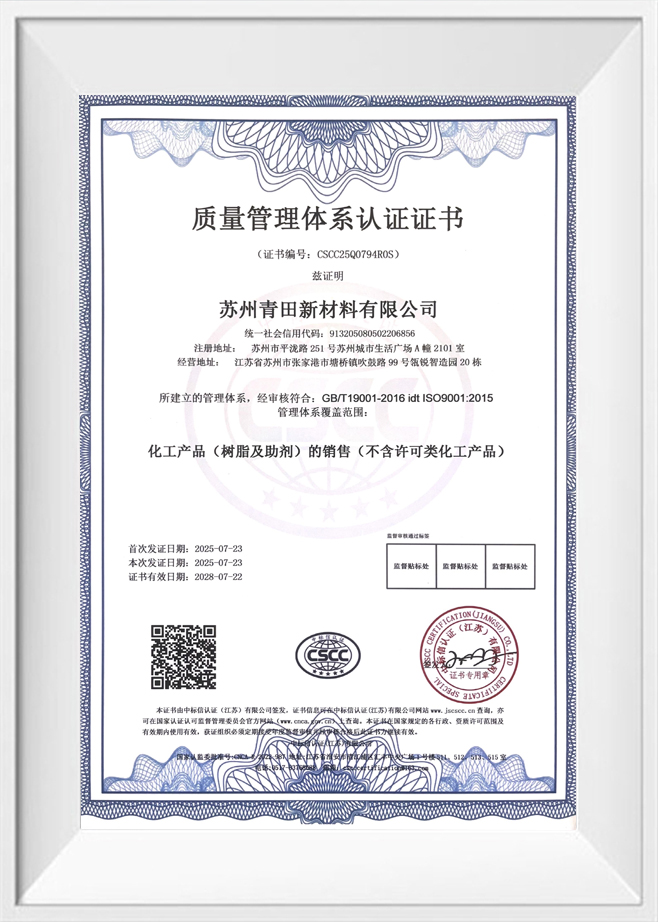
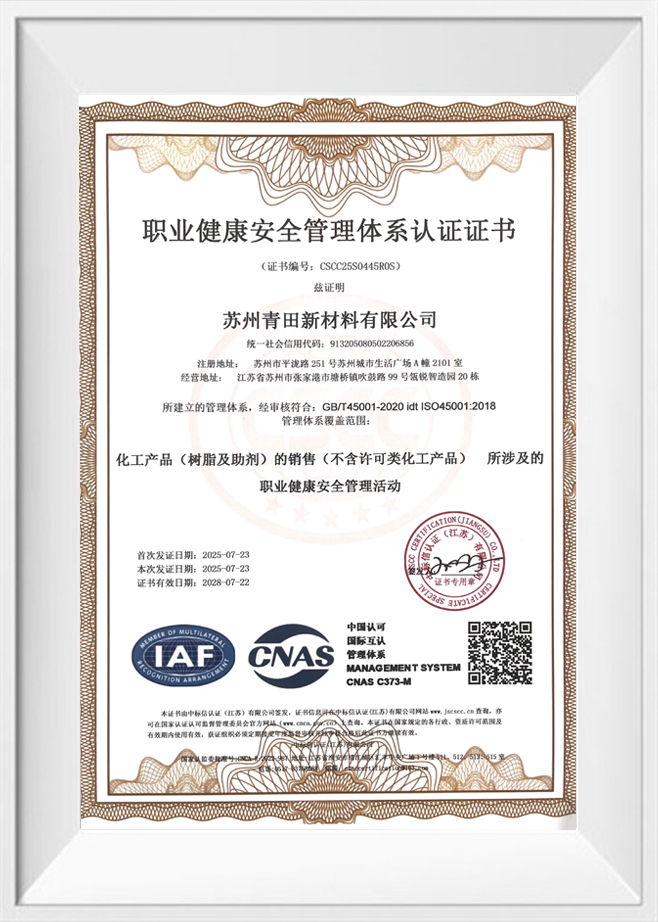
The feasibility of using electroplating silver resin as an auxiliary layer depends on careful formulation and process optimization. At Suzhou Qingtian New Material Co., Ltd., research and development efforts focus on tailoring resin systems for coatings, inks, and adhesive-related applications. Through systematic experimentation and analytical evaluation, resin structures can be adjusted to improve adhesion, chemical resistance, and interfacial compatibility with metal substrates.
Modern production facilities and advanced testing instruments enable performance validation under simulated electroplating conditions. Collaboration between R&D experts and application engineers ensures that auxiliary resin layers are developed with attention to conductivity, durability, and environmental compliance.
Application Scope and Practical Limitations
While electroplating silver resin can function as an auxiliary layer in specific technical configurations, it is not universally applicable to all metal plating systems. Its effectiveness depends on substrate type, plating chemistry, required conductivity, and service environment. In decorative electroplating, thin functional resin layers may help improve surface smoothness, whereas in high-current electrical applications, conductivity considerations may limit resin usage.
Comprehensive performance testing, including adhesion measurement, salt spray resistance, electrochemical evaluation, and mechanical durability assessment, is essential before large-scale implementation. By integrating formulation design, controlled manufacturing, and systematic testing, electroplating silver resin can be engineered to support silver deposition processes where auxiliary interfacial enhancement is required.
FAQ
Q: How does electroplating silver resin improve adhesion between the silver layer and metal substrates?
A:Electroplating silver resin can enhance interfacial bonding by forming a transitional layer that improves surface wettability and mechanical interlocking. Through appropriate formulation design, functional groups within the resin interact with pretreated metal surfaces, helping stabilize the interface before silver deposition. With systematic testing and formulation support from experienced R&D teams, adhesion performance can be evaluated and adjusted according to specific substrate types.
Q: Can electroplating silver resin maintain stability in alkaline or chemical plating baths?
A:Chemical resistance is a key consideration when using electroplating silver resin in plating systems. The resin must withstand exposure to alkaline or chemically active solutions without swelling, dissolving, or losing structural integrity. Advanced testing equipment allows simulation of plating environments to verify compatibility and ensure that the resin layer remains stable throughout the electroplating process.
Q: What factors influence the conductivity performance when using electroplating silver resin as an auxiliary layer?
A:Film thickness, curing conditions, and the potential inclusion of conductive fillers directly affect conductivity. If the resin layer is too thick or lacks conductive pathways, it may interfere with uniform current distribution during silver deposition. Careful control of formulation parameters and application techniques helps balance electrical performance with adhesion and surface leveling functions.
Q: Is electroplating silver resin suitable for decorative silver finishing applications?
A:In decorative applications, electroplating silver resin can help improve surface smoothness and reduce minor substrate defects prior to silver deposition. A uniform auxiliary layer may support better gloss and visual consistency in the final finish. Compatibility between the resin system and plating chemistry must be validated to maintain consistent appearance and durability.
Q: How does curing behavior affect the performance of electroplating silver resin?
A:Proper curing ensures that the resin forms a stable crosslinked network capable of withstanding electrochemical conditions. Incomplete curing may lead to surface instability, while excessive curing could reduce flexibility and affect interfacial stress distribution. Controlled curing parameters, supported by modern production facilities, help maintain consistent film properties.
Q: Can electroplating silver resin be customized for different metal substrates?
A:Different metals such as copper, steel, or aluminum present unique surface characteristics. Electroplating silver resin formulations can be tailored to improve compatibility with specific substrates by adjusting functional groups, molecular weight, and additive packages. With dedicated research personnel and formulation expertise, customized solutions can be developed to meet varied application requirements.
Q: What testing methods are commonly used to evaluate electroplating silver resin performance?
A:Performance evaluation may include adhesion testing, salt spray exposure, electrochemical analysis, and mechanical durability assessments. These tests help determine whether the auxiliary resin layer maintains integrity under plating and service conditions. A well-equipped laboratory environment supports reliable data collection for formulation refinement and quality assurance.


 русский
 Español
 Français