


 русский
 Español
 Français
Introduction: Understanding Adhesion Promoters and Surface Bonding What Is an Adhesion Promoter? An adhesion promoter is a chemical or chemical formulation applied to a substrate surface prior to the ...
READ MORE
About Us
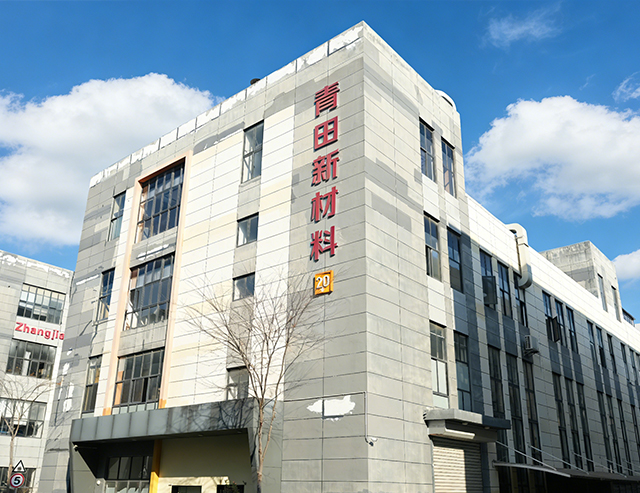
Suzhou Qingtian New Material Co., Ltd.
Suzhou Qingtian New Material Co., Ltd. is professional China Paint Resin Manufacturers and Custom Coating Resin Suppliers specializing in raw materials for coatings, inks, and adhesives. Through years of effort, the company has developed a professional R&D team, sales team, and production base, equipped with comprehensive testing equipment and cutting-edge technical R&D personnel, striving tirelessly to serve customers and lead the market.
The company's main products include dispersants, leveling agents, defoamers, adhesion promoters, anti-settling agents, cooling agents, conductive agents, orange peel texture agents, texture powders, and wax powders. The products have a wide sales range, covering steel and aluminum coil coatings, plastic coatings, UV curing, anti-corrosion coatings, wood coatings, glass coatings, epoxy flooring, printing inks, power batteries, photovoltaic panels, and other fields. In response to the national environmental protection concept of "clear waters and blue skies," the company continuously innovates and develops water-based products, contributing to the development of the water-based industry.
Qingtian New Material adheres to the business philosophy of "Professionalism, Integrity, Service, and Win-Win," and has adopted advanced international marketing concepts and market management models to provide high-quality products and services to new and old customers, achieving win-win results with trustworthy partners.
The company's main products include dispersants, leveling agents, defoamers, adhesion promoters, anti-settling agents, cooling agents, conductive agents, orange peel texture agents, texture powders, and wax powders. The products have a wide sales range, covering steel and aluminum coil coatings, plastic coatings, UV curing, anti-corrosion coatings, wood coatings, glass coatings, epoxy flooring, printing inks, power batteries, photovoltaic panels, and other fields. In response to the national environmental protection concept of "clear waters and blue skies," the company continuously innovates and develops water-based products, contributing to the development of the water-based industry.
Qingtian New Material adheres to the business philosophy of "Professionalism, Integrity, Service, and Win-Win," and has adopted advanced international marketing concepts and market management models to provide high-quality products and services to new and old customers, achieving win-win results with trustworthy partners.
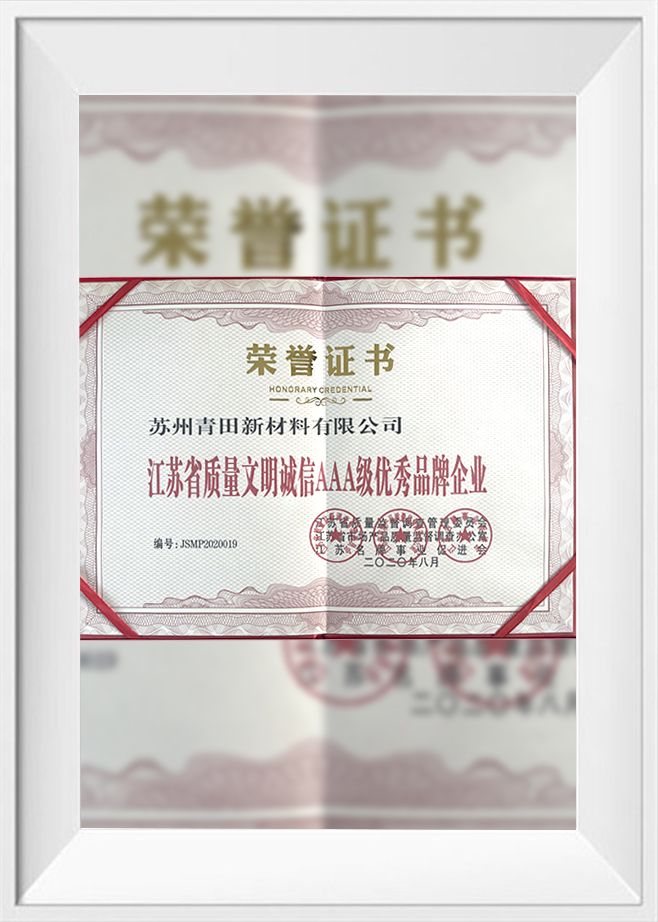
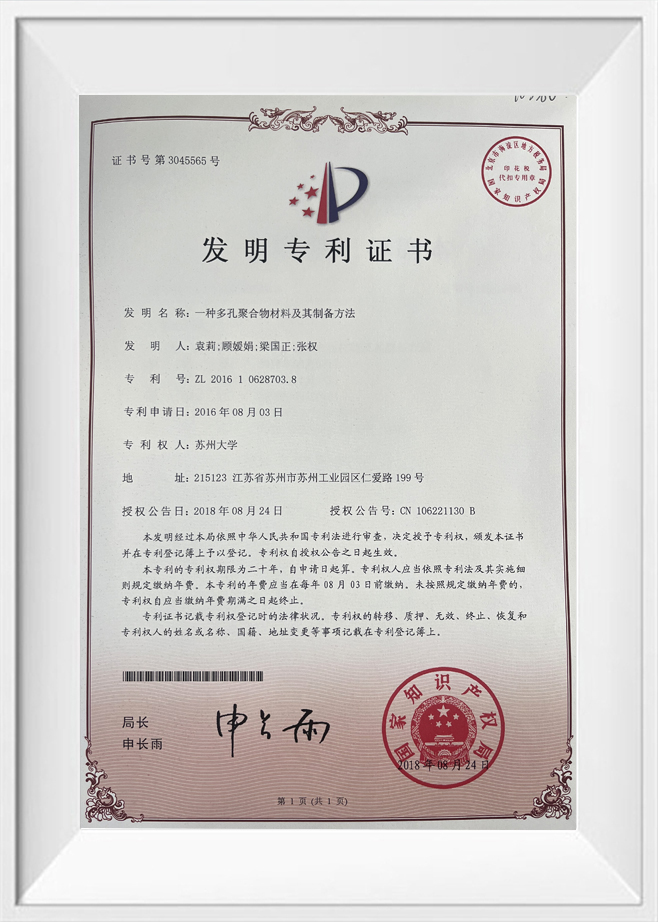
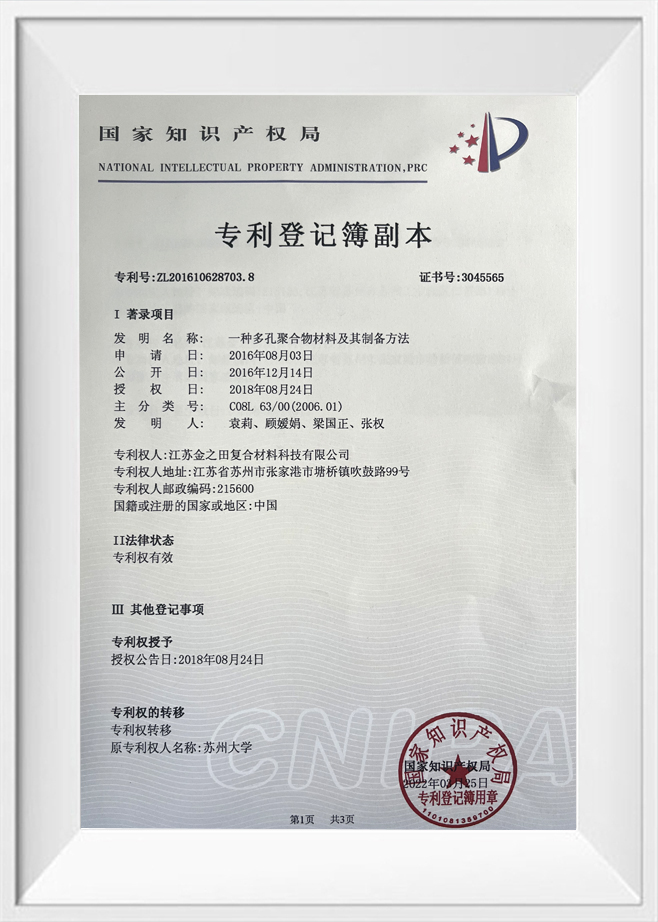
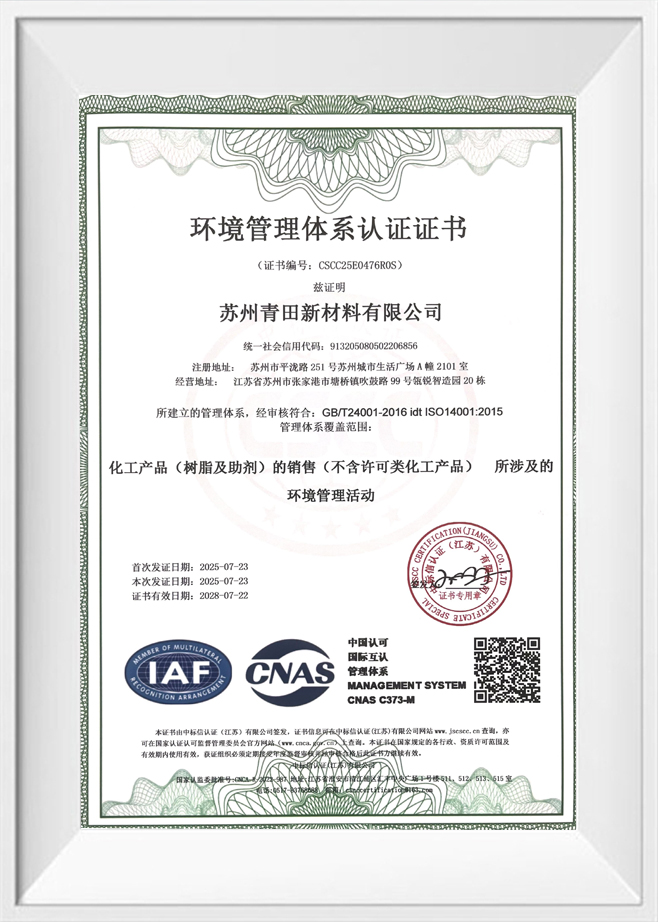
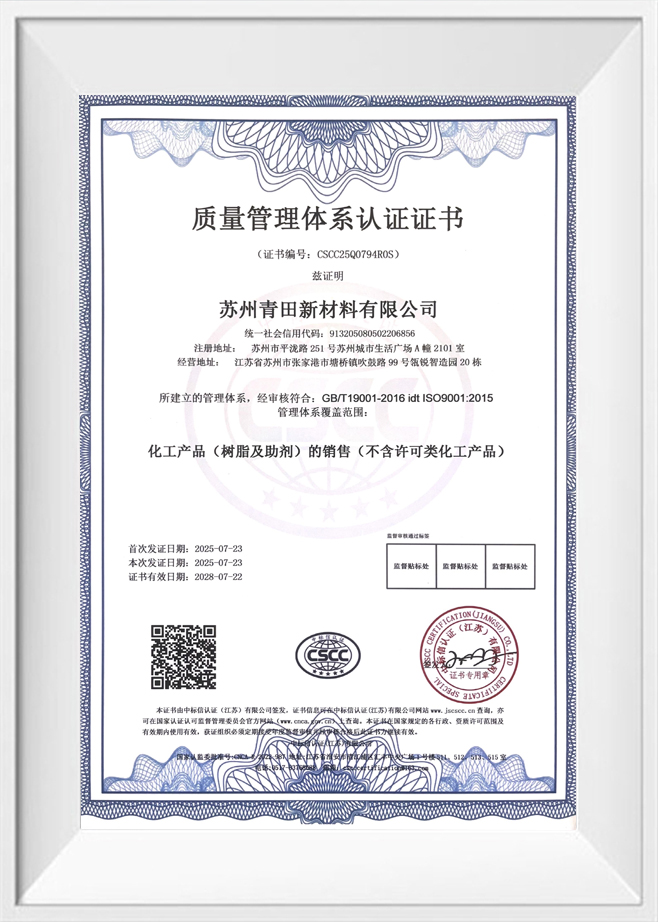
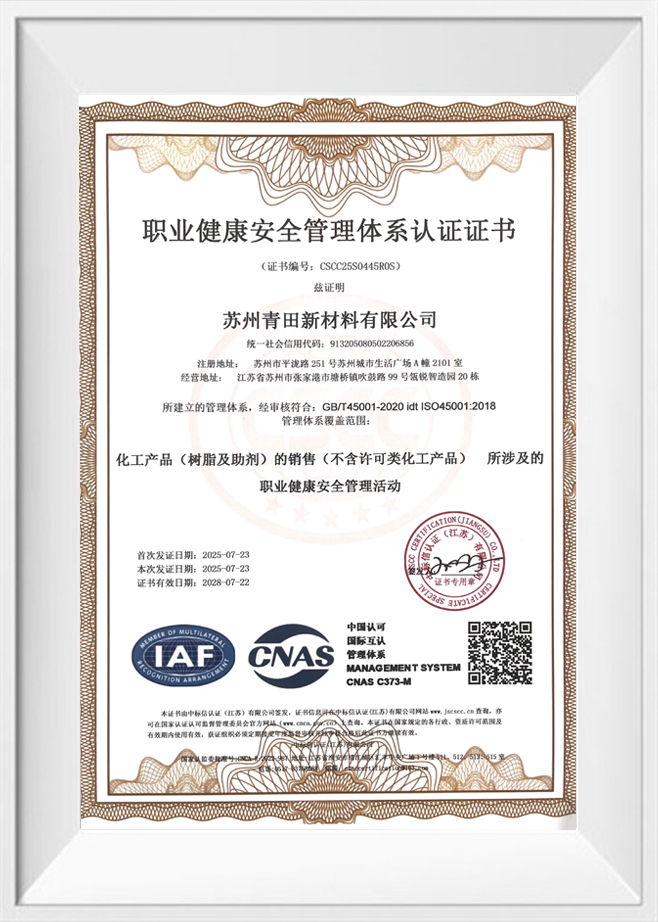
Certificate Of Honor
News
-
-
How Do Dispersing Agents Influence Pigment Wetting and Stabilization? 1. The Thermodynamics of Pigment Wetting and the Role of Dispersing Agents Pigment wetting is the first and most fundamental...
READ MORE -
Understanding Acrylate Leveling Agents: The Backbone of Surface Excellence In the sophisticated world of industrial coatings, achieving a flawless, mirror-like finish is not merely an aesthetic prefer...
READ MORE -
The essence of snow-melting agents is that they are "phase change regulators" that lower the freezing point by altering the phase change mechanism of water. This characteristic, while different in app...
READ MORE -
First Generation: Sodium Chloride – A Classic “Pioneer” Industrial salt is a relatively traditional and economical de-icing agent. Raw materials are readily available, costs are low, and it works well...
READ MORE
Message Feedback
Resin series Industry knowledge
How Can the Scratch Resistance and Abrasion Resistance of Coating Resin Be Improved?
Understanding the Mechanism of Surface Damage in Coating Systems
Scratch resistance and abrasion resistance are critical performance indicators for coating resin used in coatings, inks, and adhesives. Surface damage generally occurs when external mechanical forces exceed the cohesive strength of the resin matrix or disrupt the interfacial bonding between resin and fillers. Scratches are typically caused by concentrated loads from sharp objects, while abrasion results from repeated frictional contact. In practical applications such as industrial flooring, automotive parts, packaging materials, and consumer electronics, coatings are continuously exposed to mechanical stress. Therefore, improving resistance to these forces requires a comprehensive approach involving resin structure optimization, additive selection, crosslinking control, and formulation design.
Optimizing Resin Molecular Structure
The molecular architecture of coating resin plays a fundamental role in determining scratch and abrasion performance. Increasing molecular weight can enhance cohesive strength within the polymer network, reducing the likelihood of surface fracture under load. Additionally, introducing rigid segments such as aromatic rings or cycloaliphatic groups into the polymer backbone can increase hardness without excessively compromising flexibility. However, excessive rigidity may lead to brittleness, which can negatively impact impact resistance. A balanced design that integrates both hard and soft segments often produces better durability under dynamic stress conditions.
At Suzhou Qingtian New Material Co., Ltd., research efforts focus on tailoring resin molecular structures to match specific application environments. By adjusting monomer ratios and polymerization conditions, the internal network density can be modified to enhance mechanical durability while maintaining other key properties such as adhesion and chemical resistance.
Enhancing Crosslink Density and Network Integrity
Crosslink density directly influences the hardness and mechanical integrity of coating films. A higher crosslink density generally leads to improved surface hardness, which can increase resistance to scratches and abrasion. This can be achieved by selecting multifunctional crosslinkers or optimizing curing conditions such as temperature and time. For thermosetting systems, proper stoichiometric balance between resin and curing agents is essential to ensure a uniform and complete network formation.
However, excessive crosslinking may reduce flexibility and cause microcracks under stress. Therefore, the formulation must be adjusted carefully to achieve a balance between hardness and toughness. Controlled curing processes, supported by modern testing equipment, allow manufacturers to evaluate the mechanical performance under simulated service conditions and refine formulations accordingly.
Incorporating Functional Fillers and Reinforcing Additives
The addition of functional fillers is an effective strategy to improve abrasion resistance. Nano-sized silica, alumina, or other inorganic particles can enhance surface hardness by reinforcing the resin matrix. These particles, when properly dispersed, create a more compact and wear-resistant surface layer. Surface-treated fillers improve compatibility with the resin, preventing agglomeration and ensuring uniform stress distribution.
Wax additives, such as polyethylene wax or PTFE-based modifiers, can also reduce surface friction, which contributes to improved scratch resistance. These materials migrate to the coating surface during film formation and form a lubricating layer that reduces the impact of mechanical contact. The selection and dosage of these additives must be carefully controlled to avoid negative effects on transparency or adhesion.
| Improvement Method | Main Effect | Key Consideration |
| High Crosslink Density | Increased hardness | Maintain flexibility balance |
| Nano Inorganic Fillers | Surface reinforcement | Uniform dispersion |
| Wax Additives | Reduced friction | Surface compatibility |
| Rigid Polymer Segments | Improved mechanical strength | Avoid brittleness |
Improving Dispersion and Interfacial Adhesion
Uniform dispersion of fillers and pigments is essential for consistent abrasion resistance. Poor dispersion may create weak points in the coating film, where scratches can initiate and propagate. Advanced mixing equipment and dispersing agents help achieve homogeneous distribution of solid components within the resin system. Furthermore, improving interfacial adhesion between the resin and substrate enhances the overall durability of the coating, as delamination can worsen abrasion performance.
Surface modification techniques, including silane coupling agents, are often applied to improve bonding between inorganic fillers and organic resin matrices. This strengthens the internal structure and reduces the likelihood of particle pull-out during wear processes.
Adjusting Film Thickness and Application Parameters
Film thickness can influence abrasion performance. Thicker films generally provide greater resistance to wear due to increased material volume available to absorb mechanical stress. However, excessively thick coatings may lead to curing difficulties or internal stress accumulation. Therefore, optimizing application parameters such as spray viscosity, drying time, and curing temperature is necessary to achieve consistent performance.
In industrial practice, coatings used in high-traffic or heavy-duty environments are often formulated with higher solid content and optimized application techniques to ensure sufficient film build while maintaining uniformity.
Evaluating Performance Through Standardized Testing
Accurate performance evaluation is critical to improving scratch and abrasion resistance. Laboratory testing methods such as pencil hardness tests, Taber abrasion tests, and scratch resistance measurements provide quantitative data that guide formulation adjustments. Continuous testing during product development enables material scientists to identify weaknesses and refine resin systems.
With advanced testing equipment and dedicated research personnel, companies like Suzhou Qingtian New Material Co., Ltd. can simulate real-world mechanical conditions and analyze how different resin modifications influence durability. This data-driven approach supports ongoing improvements and ensures that coating resins meet the evolving demands of various industries.
Balancing Mechanical Durability with Other Functional Properties
Improving scratch and abrasion resistance should not compromise other essential properties such as gloss, chemical resistance, flexibility, or environmental compliance. A comprehensive formulation strategy is required to maintain performance equilibrium. For example, increasing hardness may reduce flexibility, while adding certain fillers may affect optical clarity. Careful material selection and iterative testing help achieve a balanced result suitable for specific application scenarios.
Through systematic formulation design, molecular engineering, and advanced quality control processes, the durability of coating resin can be steadily enhanced. The integration of research expertise, production capability, and practical market feedback ensures continuous refinement of scratch and abrasion resistance performance across diverse coating applications.
Is Paint Resin Suitable for Heavy-Duty Anti-Corrosion or Highly Decorative Coatings?
The Role of Paint Resin in Coating Performance
Paint resin serves as the core binding component in coating systems, determining adhesion, film formation, mechanical strength, and resistance to environmental exposure. Whether a paint resin is suitable for heavy-duty anti-corrosion or highly decorative coatings depends largely on its chemical structure, crosslinking behavior, compatibility with pigments and additives, and its performance under specific service conditions. Different application environments impose different requirements, and the formulation must be carefully engineered to meet those demands.
In industrial practice, the selection of paint resin is never isolated from the final use scenario. At Suzhou Qingtian New Material Co., Ltd., the development of raw materials for coatings, inks, and adhesives is based on systematic evaluation, combining laboratory testing data with practical application feedback to ensure the resin system aligns with functional expectations.
Suitability of Paint Resin for Heavy-Duty Anti-Corrosion Coatings
Heavy-duty anti-corrosion coatings are typically used in environments exposed to moisture, salt spray, chemicals, or industrial pollutants. These include marine structures, bridges, pipelines, storage tanks, and heavy machinery. In such conditions, paint resin must provide strong adhesion to substrates, resistance to water penetration, chemical stability, and mechanical durability.
Epoxy resins, polyurethane resins, and certain modified acrylic resins are commonly selected for anti-corrosion systems. Their crosslinked networks create dense films that reduce the diffusion of corrosive agents such as oxygen and water vapor. The ability of the resin to bond firmly with metal substrates is particularly important, as poor adhesion can result in underfilm corrosion and coating failure.
Barrier performance is influenced by both the resin matrix and the incorporation of anti-corrosive pigments. A compatible resin system ensures that pigments are evenly dispersed and firmly embedded, minimizing microvoids that could serve as corrosion pathways. Advanced testing equipment allows for salt spray testing, humidity resistance evaluation, and electrochemical impedance analysis to assess long-term performance.
| Application Type | Key Resin Requirements | Performance Focus |
| Marine Structures | High chemical resistance | Salt and moisture protection |
| Industrial Equipment | Strong adhesion and toughness | Impact and abrasion resistance |
| Storage Tanks | Dense crosslinked network | Chemical containment |
Considerations for Highly Decorative Coatings
Highly decorative coatings prioritize aesthetic qualities such as gloss, color retention, clarity, smoothness, and texture. Applications include automotive finishes, furniture coatings, architectural surfaces, and consumer products. In these cases, the paint resin must support pigment dispersion, maintain film transparency where required, and resist discoloration under ultraviolet exposure.
Acrylic resins and polyurethane resins are widely used in decorative systems due to their ability to produce smooth and visually appealing films. The resin must also exhibit appropriate leveling properties to prevent surface defects such as orange peel or pinholes. Additionally, weather resistance is crucial for exterior decorative coatings, where long-term exposure to sunlight and environmental factors can lead to fading or chalking.
For decorative applications, the balance between hardness and flexibility is important. A surface that is too rigid may crack under substrate movement, while a surface that is too soft may be prone to scratches. By adjusting molecular weight, crosslinking agents, and additive packages, the mechanical and optical properties of the resin system can be optimized.
Balancing Anti-Corrosion and Decorative Requirements
In certain projects, coatings must meet both anti-corrosion and decorative standards. For example, architectural steel structures and transportation equipment often require corrosion protection combined with an attractive finish. In such cases, multi-layer coating systems are commonly adopted. A primer layer may focus on corrosion resistance, while intermediate and topcoats emphasize appearance and weather durability.
The compatibility between layers depends significantly on the resin chemistry. Intercoat adhesion must be maintained to prevent delamination. Careful formulation design ensures that each layer performs its intended function without compromising the overall system integrity. Research teams equipped with modern analytical instruments can evaluate layer interactions and optimize curing parameters to enhance system reliability.
Environmental and Regulatory Considerations
Both heavy-duty anti-corrosion and decorative coatings are increasingly subject to environmental regulations regarding volatile organic compounds and hazardous substances. Waterborne resins and high-solid systems are gaining attention as alternatives to traditional solvent-based materials. The challenge lies in maintaining performance while reducing environmental impact.
Continuous research and development efforts allow resin manufacturers to explore new polymerization techniques and raw material combinations that comply with regulatory standards while maintaining mechanical strength and durability. Skilled technical teams analyze formulation data and adjust parameters to achieve consistent quality in production environments.
The Importance of Testing and Technical Support
Determining whether a paint resin is suitable for a specific application requires thorough performance evaluation. Mechanical testing, chemical resistance analysis, accelerated weathering tests, and adhesion measurements provide objective data to support material selection. Without systematic testing, assumptions about suitability may lead to premature coating failure.
With a strong R&D team and advanced testing equipment, Suzhou Qingtian New Material Co., Ltd. supports customers by offering technical guidance and customized resin solutions tailored to heavy-duty anti-corrosion or highly decorative requirements. The integration of research expertise, production capability, and practical application knowledge enables continuous refinement of paint resin performance across diverse industrial and aesthetic applications.
-
-
Phone
+86-189 1262 7527 +86-512 5817 8338 -
E-mail
inquiry@jsjinzhitian.com claire@jsjinzhitian.com -
Address
No. 99, Chuigu Road, Tangqiao High-tech Zone, Zhangjiagang City, Suzhou, Jiangsu Province, China
-
Copyright © Suzhou Qingtian New Material Co., Ltd. All Rights Reserved.
 Custom Coating Resin/ Paint Resin Manufacturers
Custom Coating Resin/ Paint Resin Manufacturers