Which Resin Systems is Hammer Tone Additive Primarily Applicable To?
Hammer tone additives are essentially functional additives used to control the surface structure formation during coating drying. Their applicability to various systems typically depends on their chemical structure (e.g., silicon-modified structures, low surface tension components, compatible polymers, etc.) and the desired fineness of the hammer texture. Overall, they are widely used in various solvent-based and some water-based systems.
Hammer tone additives are very well-established in alkyd resin systems. The drying mechanism of alkyd systems mainly relies on oxidative crosslinking, resulting in a relatively mild drying process, longer leveling time, and easier formation of surface tension differences. Adding hammer texture additives to this system allows for the control of phase separation and surface tension gradients, leading to a clear hammer texture structure. Therefore, this design is commonly seen in industrial equipment coatings and metal casing coatings.
Hammer tone additives are also relatively common in acrylic resin systems, especially solvent-based acrylics. Acrylic resins themselves have high transparency and strong leveling properties; without structural control, the surface tends to be smooth and flat. Adding hammer texture additives can disrupt the uniform flow of the surface, causing localized shrinkage or aggregation to form texture. This system is commonly used in outdoor equipment or decorative metal coatings.
In epoxy resin systems, hammer texture effects are often used in functional or industrial protective applications. Epoxy systems offer controllable curing speeds and strong adhesion. When adding hammer texture additives, compatibility with amine curing agents must be carefully considered to avoid interfering with the crosslinking reaction. With proper formulation matching, decorative effects can be achieved while ensuring corrosion resistance.
Hammer texture additives can also achieve hammer texture effects in polyurethane systems, especially two-component solvent-based polyurethanes. However, due to the rapid curing speed of polyurethane, the application window is critical; the additive must complete structural induction within a short time, otherwise the texture may be unstable.
In powder coating systems, hammer texture effects are typically achieved through phase separation control during the hot melt leveling stage. In these systems, the hammer texture effect depends on resin softening behavior, curing rate, and additive migration characteristics. Powder coating systems require high thermal stability of the additives, ensuring they do not decompose at baking temperatures.
What are the main physical or chemical mechanisms by which Hammer Tone Additives create the hammer texture effect?
The formation of the hammer texture effect is not a simple "texture addition," but rather a controlled self-organizing structural phenomenon that occurs during the drying process of the coating. Its core mechanisms typically include the following:
Surface Tension Gradient Effect (Marangoni Effect). When there is a surface tension difference between the hammer texture additive and the base resin, localized areas of uneven surface tension are generated during solvent evaporation. The liquid flows from areas of low surface tension to areas of high surface tension, thus forming a micro-undulating structure. This flow occurs before the coating is fully cured; once the crosslinking reaction or solvent evaporation is complete, the structure is fixed, forming the visible hammer texture.
Phase Separation Mechanism. Some hammer texture additives have limited compatibility in the resin system. As the solvent begins to evaporate and the system concentration increases, the additive may transition from a homogeneous state to a microphase-separated state. This separation creates locally enriched and depleted areas, leading to differences in film thickness, thus producing a visual effect similar to hammering.
Control of Evaporation Rate Differences. Hammer finish systems are typically designed with a certain volatile gradient. Additives may contain low- or medium-volatile components, creating different flow states in the early and later stages of drying. This uneven drying rate leads to differences in surface shrinkage behavior, thus creating the texture.
Leveling Inhibition. Normal coatings automatically level after application due to the convergence of surface tension. Hammer finish additives, by altering the system's flow resistance or interfacial tension, control and halt the leveling process, preventing complete smoothing and ultimately forming a stable textured structure.
It is important to emphasize that hammer finish formation depends on controlling the time window. If drying is too fast, the structure will harden before it forms; if drying is too slow, the texture may be damaged by re-leveling. Therefore, hammer finish additives must be matched with the resin curing speed, solvent system, and application conditions.
Does Adding Hammer Tone Additive Affect Coating Adhesion?
Within a reasonable formulation and recommended dosage range, Hammer Tone Additive generally does not significantly reduce coating adhesion. However, its impact on adhesion depends on the addition ratio, resin system compatibility, application process control, and substrate treatment conditions. Mechanistically, hammer tone additives primarily function to regulate the surface structure during coating drying, rather than participating in the cross-linking reaction itself. Therefore, under a scientifically formulated system, it will not disrupt the chemical or physical bond between the resin and the substrate. However, improper use may indirectly affect interfacial properties.
Within the normal dosage range, hammer tone additives achieve microstructure formation through surface tension regulation, with their effect concentrated on the surface area of the coating. As long as the additive and resin have good compatibility and can migrate and fix sufficiently during drying, it will not form a weak interfacial layer, and adhesion can generally remain within industrial standard requirements.
In cases of excessive addition, the additive may locally accumulate in the system, or even form low surface energy regions at the interface, thereby reducing substrate wettability. Decreased wettability affects the resin's spreading effect on metals or other substrates, thereby reducing mechanical adhesion and interfacial bonding strength. Furthermore, excessive low-molecular-weight components may affect crosslinking density, leading to a loose overall coating structure, which indirectly weakens adhesion performance.
Regarding system compatibility, different resins (such as epoxy, polyurethane, or acrylic systems) have different curing mechanisms. If the hammering aid and curing agent have compatibility issues, it may interfere with reaction kinetics, causing uneven crosslinking. Therefore, adhesion testing (such as cross-cut adhesion test, pull-out test, and water resistance test) must be conducted during the development phase to confirm system stability.
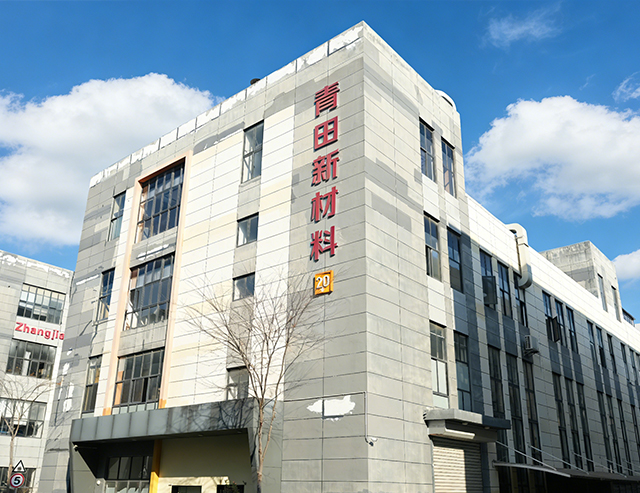
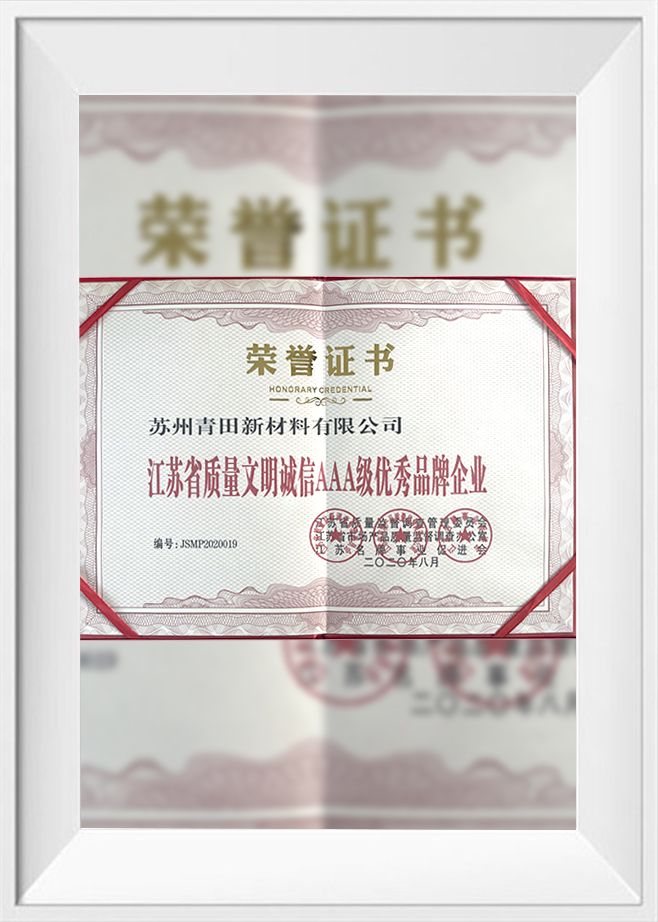
At the enterprise level, understanding the development philosophy of Suzhou Qingtian New Material Co., Ltd. provides a more systematic understanding of the importance of adhesion control. Since its establishment in 2012, the company has focused on the field of coating and ink raw materials, emphasizing innovation, quality, and service. Guided by the philosophy that "innovation is fundamental," the company continuously researches and develops water-based additives and environmentally friendly functional materials. This means that in the design of hammer finish additives, attention is paid not only to decorative effects but also to a comprehensive balance of substrate adhesion, environmental compliance, and system stability.
Meanwhile, the company's cultural philosophy that "quality is the lifeline of the enterprise" emphasizes the reliability of products in practical applications. For hammer finish additives, this means ensuring that while maintaining the texture effect, key indicators such as adhesion, water resistance, and salt spray resistance are not negatively affected. Therefore, during product development and application support, standardized testing procedures should be used to verify the long-term stability in different resin systems.
The company proposes "warm service," emphasizing full-process support from product selection to after-sales optimization. In practical applications, adhesion problems are often caused not only by the additives themselves but also closely related to substrate treatment, spraying parameters, and baking conditions. Therefore, providing process guidance, application parameter suggestions, and experimental verification support is crucial to ensuring the successful application of the hammer finish system.
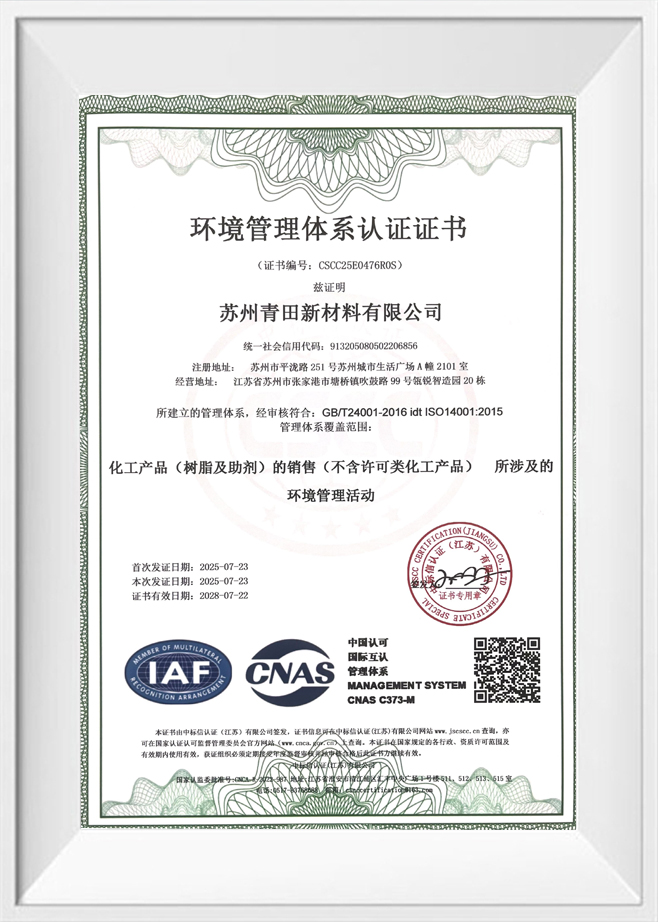
Under the strategic direction of "environmental protection is a responsibility," water-based and low-VOC additives are becoming the future trend. In water-based hammer-textured systems, the complex processes of water evaporation and film formation place higher demands on interfacial wettability, making adhesion control particularly crucial. Appropriately designed environmentally friendly additives can not only avoid reducing adhesion but also improve substrate wetting by optimizing interfacial tension, thereby enhancing overall adhesion performance.


 русский
 Español
 Français