


 русский
 Español
 Français
Introduction: Understanding Adhesion Promoters and Surface Bonding What Is an Adhesion Promoter? An adhesion promoter is a chemical or chemical formulation applied to a substrate surface prior to the ...
READ MORE
Product Category
Custom Other Additives Manufacturers
Besides the main functional additives, other types of functional additives commonly include conductive agents, cooling agents, and thickeners. These additives provide coatings with specific additional properties, such as conductivity, cooling characteristics, and viscosity adjustment, to meet different application requirements.
About Us
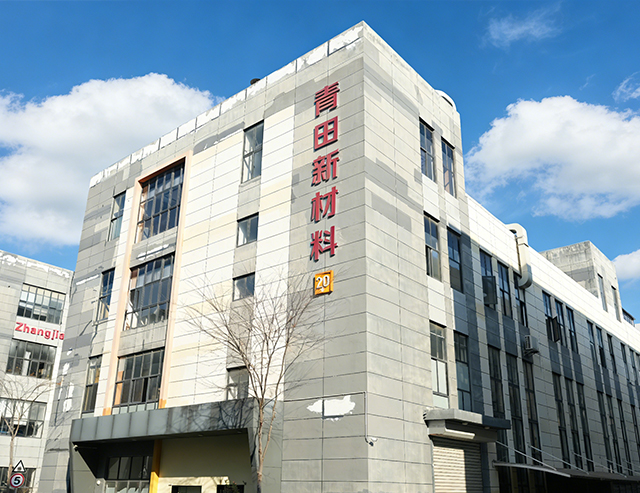
Suzhou Qingtian New Material Co., Ltd.
Suzhou Qingtian New Material Co., Ltd. is professional China Other Additives Manufacturers and Custom Other Additives Factory specializing in raw materials for coatings, inks, and adhesives. Through years of effort, the company has developed a professional R&D team, sales team, and production base, equipped with comprehensive testing equipment and cutting-edge technical R&D personnel, striving tirelessly to serve customers and lead the market.
The company's main products include dispersants, leveling agents, defoamers, adhesion promoters, anti-settling agents, cooling agents, conductive agents, orange peel texture agents, texture powders, and wax powders. The products have a wide sales range, covering steel and aluminum coil coatings, plastic coatings, UV curing, anti-corrosion coatings, wood coatings, glass coatings, epoxy flooring, printing inks, power batteries, photovoltaic panels, and other fields. In response to the national environmental protection concept of "clear waters and blue skies," the company continuously innovates and develops water-based products, contributing to the development of the water-based industry.
Qingtian New Material adheres to the business philosophy of "Professionalism, Integrity, Service, and Win-Win," and has adopted advanced international marketing concepts and market management models to provide high-quality products and services to new and old customers, achieving win-win results with trustworthy partners.
The company's main products include dispersants, leveling agents, defoamers, adhesion promoters, anti-settling agents, cooling agents, conductive agents, orange peel texture agents, texture powders, and wax powders. The products have a wide sales range, covering steel and aluminum coil coatings, plastic coatings, UV curing, anti-corrosion coatings, wood coatings, glass coatings, epoxy flooring, printing inks, power batteries, photovoltaic panels, and other fields. In response to the national environmental protection concept of "clear waters and blue skies," the company continuously innovates and develops water-based products, contributing to the development of the water-based industry.
Qingtian New Material adheres to the business philosophy of "Professionalism, Integrity, Service, and Win-Win," and has adopted advanced international marketing concepts and market management models to provide high-quality products and services to new and old customers, achieving win-win results with trustworthy partners.
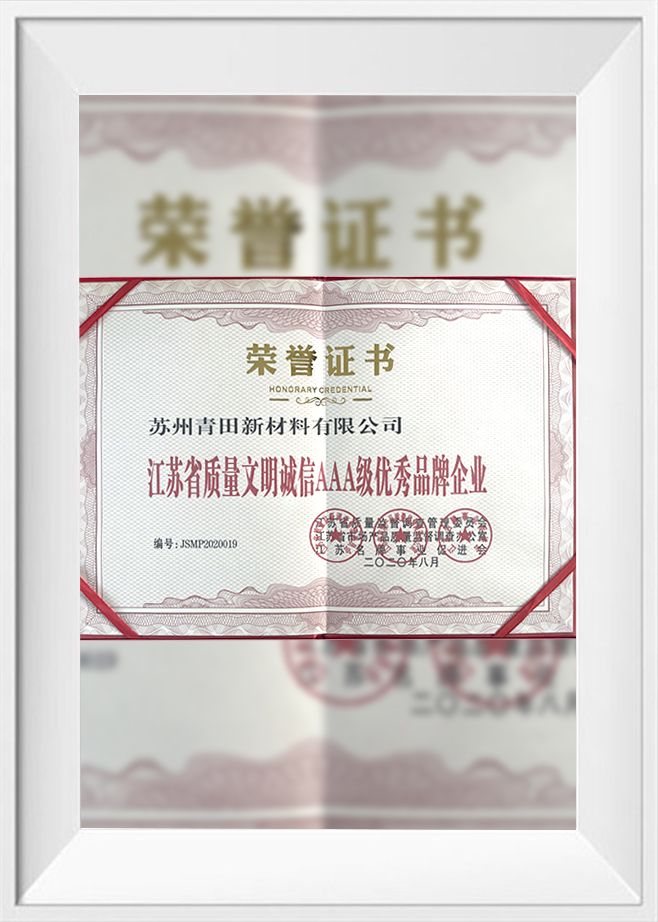
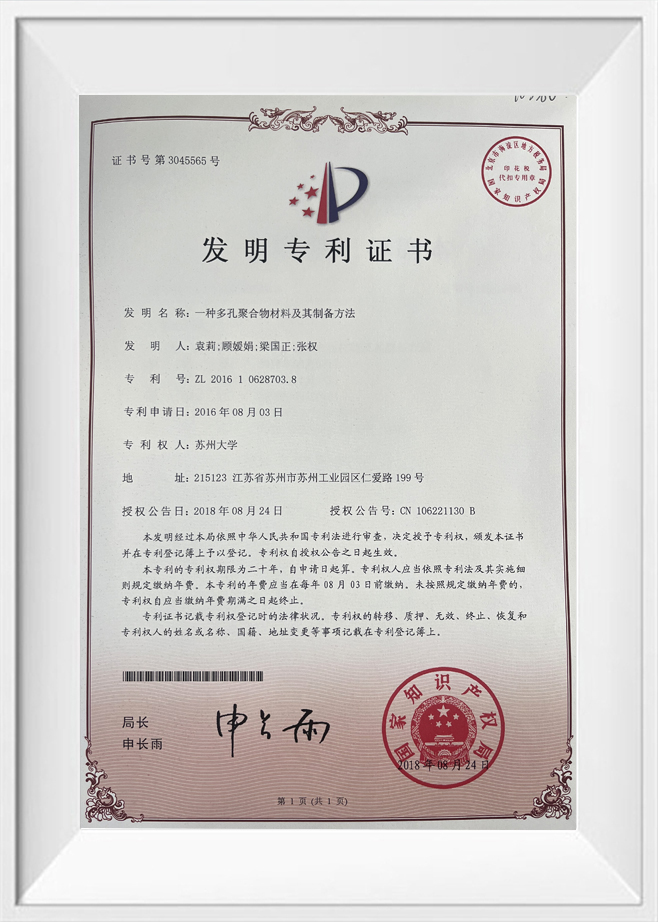
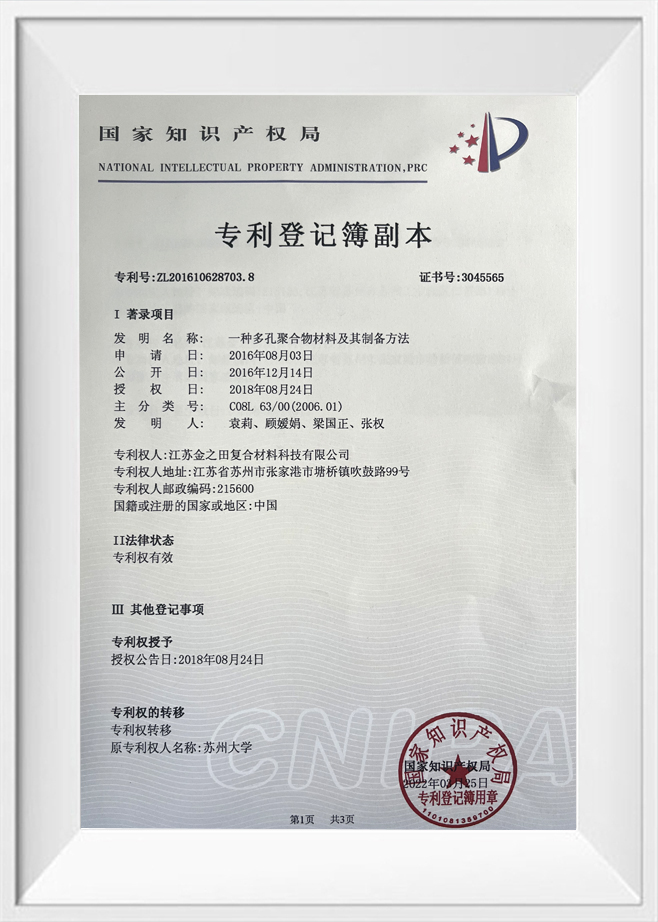
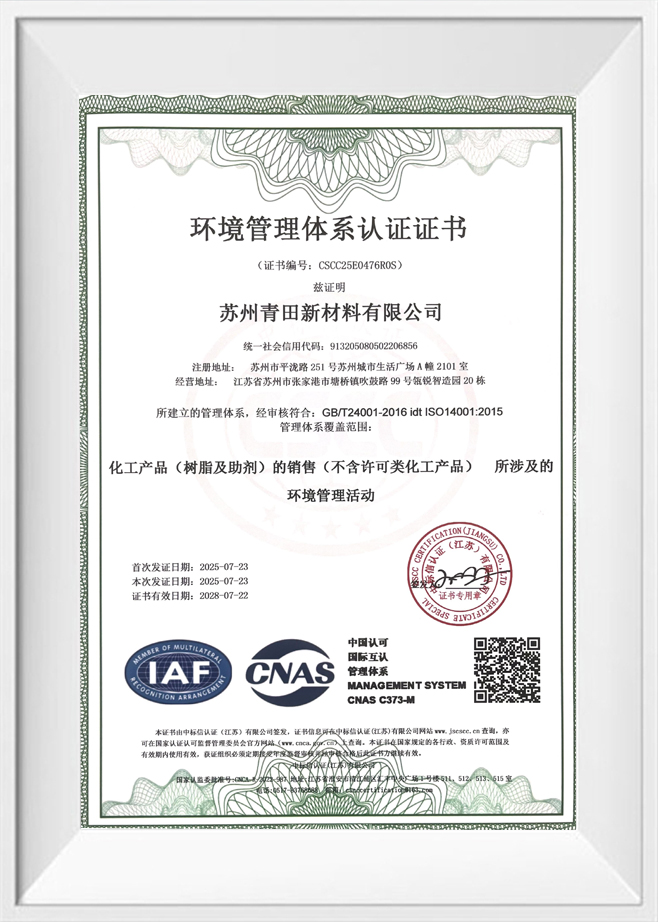
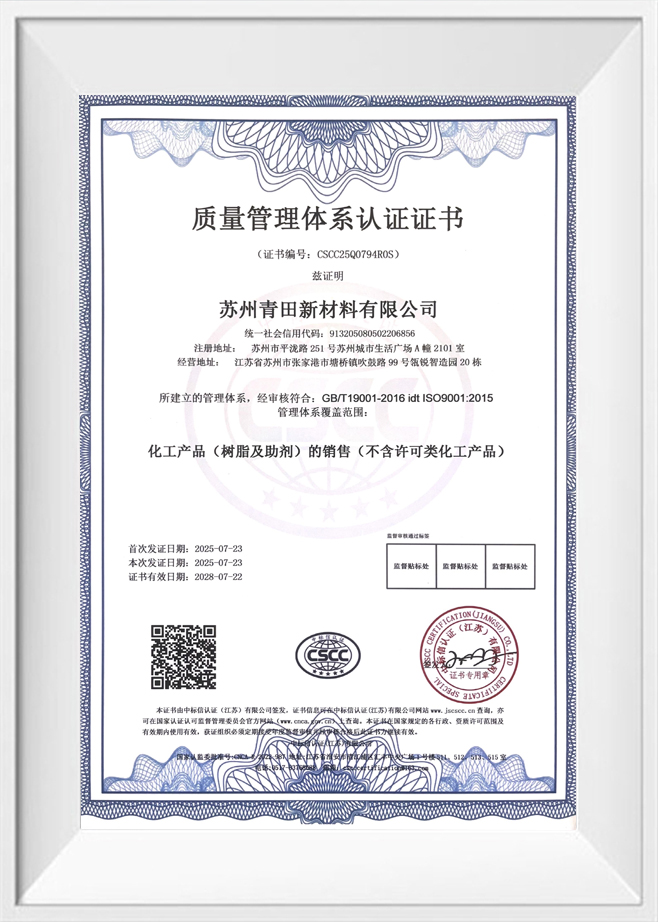
Certificate Of Honor
News
-
-
How Do Dispersing Agents Influence Pigment Wetting and Stabilization? 1. The Thermodynamics of Pigment Wetting and the Role of Dispersing Agents Pigment wetting is the first and most fundamental...
READ MORE -
Understanding Acrylate Leveling Agents: The Backbone of Surface Excellence In the sophisticated world of industrial coatings, achieving a flawless, mirror-like finish is not merely an aesthetic prefer...
READ MORE -
The essence of snow-melting agents is that they are "phase change regulators" that lower the freezing point by altering the phase change mechanism of water. This characteristic, while different in app...
READ MORE -
First Generation: Sodium Chloride – A Classic “Pioneer” Industrial salt is a relatively traditional and economical de-icing agent. Raw materials are readily available, costs are low, and it works well...
READ MORE
Message Feedback
Other Additives Industry knowledge
How Do Specialized Other Paint Additives Transform Standard Coatings into High-Performance Functional Materials?
Besides the main functional additives like dispersants and leveling agents, other types of functional additives commonly include conductive agents, cooling agents, and thickeners. These additives provide coatings with specific additional properties, such as conductivity, cooling characteristics, and viscosity adjustment, to meet different application requirements. Without these specialized components, modern industries from electric vehicles to renewable energy would struggle to meet their technical milestones.
The Power of Conductivity in the Electrification Era
The surge in demand for conductive agents is primarily driven by the sweeping revolution in power batteries and microelectronics. Historically, industrial coatings were viewed almost exclusively as insulators designed to prevent electrical flow and protect substrates from environmental degradation. However, in the rapidly evolving Power Battery Sector, modern coating technology must often achieve the exact opposite: facilitating controlled electrical conductivity to ensure efficient energy transfer and thermal stability within the cell.
In lithium battery electrode slurries, high-efficiency conductive agents (such as carbon nanotubes, graphene, or specialized metal powders) are added to build a dense, three-dimensional electron transmission network. This network significantly reduces the internal ohmic resistance of the battery, which is a decisive factor in achieving ultra-fast charging capabilities and extending cycle life. Beyond batteries, conductive additives are essential for Electrostatic Discharge and Electromagnetic Interference protection. In electronic workshops or for precision instrument housings, these additives prevent the dangerous accumulation of static electricity and shield sensitive components from external electromagnetic noise.
Cooling Agents: Thermal Management for a Sustainable Future
As global climate change intensifies and urban heat island effects become more pronounced, cooling agents have emerged as a vital and rapidly growing subset of Other Paint Additives. These sophisticated materials utilize a high-reflectivity mechanism specifically engineered to deflect solar radiation, focusing on the near-infrared spectrum which accounts for approximately 50% of solar heat energy. By integrating these additives, coatings can achieve a high Total Solar Reflectance, preventing the substrate from absorbing thermal energy and significantly lowering the surface temperature of the coated object.
In the Photovoltaic (PV) Panel industry, heat is the enemy of efficiency. As solar panels heat up, their photoelectric conversion efficiency drops. Cooling coatings applied to the backsheets or frames can maintain the panels at a lower operating temperature, significantly increasing total energy yield over time. Similarly, for Industrial Storage Tanks and Steel/Aluminum Coil Coatings, cooling additives prevent the internal contents from overheating. This reduces the evaporation of volatile chemicals and minimizes the risk of pressure-related safety incidents. The "Cool Roof" initiative is another area where these additives shine, helping to reduce the "Urban Heat Island" effect and cutting the energy load required for air conditioning in large-scale commercial buildings.
Thickeners and Anti-Settling Agents: The Architects of Fluidity
Thickeners and rheology modifiers are the "conductors" of a coating's flow behavior. They dictate how a coating behaves during storage, during application, and during the drying process. A high-quality thickener provides a coating with "thixotropy"—the ability to become thin under the pressure of a brush or spray gun (facilitating easy application) and then rapidly recover its viscosity once the pressure is removed (preventing vertical sagging).
Suzhou Qingtian New Material Co., Ltd. specializes in various rheology modifiers that ensure high-build coatings maintain their integrity without "caking" or "hard settling" at the bottom of the can. This is particularly crucial for heavy-duty anti-corrosion coatings and epoxy flooring, where heavy pigments must stay suspended for months of shelf life.
What Technical Obstacles Exist When Migrating Functional Additives to Water-based "Green" Systems?
The global shift toward "clear waters and blue skies"—a national environmental protection concept embraced by Suzhou Qingtian New Material Co., Ltd.—has forced a radical redesign of additive chemistry. Moving from solvent-based systems to water-based systems is not a simple "plug-and-play" process; it involves overcoming significant physical and chemical barriers.
The Challenge of Surface Tension and Dispersion
Water has a much higher surface tension than organic solvents. This makes it notoriously difficult to "wet" and disperse functional powders such as carbon nanotubes or infrared-reflective pigments. If the dispersion is poor, the functional additive will aggregate, leading to "fish-eyes" on the surface or a total failure of the conductive or cooling properties.
As a leading Custom Other Paint Additives Factory, Suzhou Qingtian utilizes advanced molecular-level dispersants to overcome these interfacial forces. Their R&D team focuses on ensuring that conductive agents and cooling agents are stabilized within the water-borne matrix, preventing re-agglomeration during the long storage cycles typical of industrial coatings.
Foam Management in High-Viscosity Systems
Water-based systems are prone to foaming due to the presence of surfactants required for stability. When thickeners are added to adjust viscosity, they often stabilize the foam, trapping micro-bubbles within the film. For high-performance applications like glass coatings or plastic coatings, even a single micro-bubble can lead to a rejected part.
To solve this, Suzhou Qingtian integrates its Industrial Water-based Defoamers with its other functional additives. The goal is to find a "synergistic balance" where the defoamer is strong enough to rupture bubbles under high-shear application (like high-pressure spraying) but compatible enough not to cause craters or loss of adhesion. This requires comprehensive testing equipment and a professional R&D team that can simulate real-world construction environments.
Stability and pH Sensitivity
Many functional additives are chemically active and sensitive to their environment. In a water-based system, these additives may undergo undesirable reactions with the water itself or interact negatively with the pH-adjusting amines and alkaline agents found in the resin. For instance, certain metal-based conductive powders are prone to oxidation and corrosion in an aqueous environment, which can degrade the electrical path over time. Similarly, many associative thickeners are highly dependent on a specific pH range to maintain their network; if the pH drifts during storage due to the evaporation of volatile amines, the thickener may lose its molecular structure, leading to a total loss of viscosity and subsequent pigment settling.
Suzhou Qingtian’s commitment to "Professionalism and Integrity" means every product undergoes rigorous "accelerated aging" and pH-stability testing. Their goal is to ensure that the coating performs as well on the day it is applied as it did on the day it was manufactured, regardless of whether it is used in a power battery factory or on a residential wood project.
Core Specialty Additive Application Matrix
|
Additive Category |
Primary Mechanism |
Target Industries |
Key Value Delivered |
|---|---|---|---|
|
Conductive Agents |
Electron network formation |
Power Batteries, Electronics, ESD Flooring |
Lowers internal resistance; EMI/ESD protection |
|
Cooling Agents |
Near-infrared (NIR) solar reflection |
Photovoltaics, Oil & Gas Tanks, Coil Coatings |
Thermal management; Energy consumption reduction |
|
Thickeners |
Rheological thixotropy adjustment |
Architectural, Anti-corrosion, Wood Paints |
Prevents sagging; Ensures storage stability |
|
Adhesion Promoters |
Chemical bridge/substrate anchoring |
Automotive Plastics, Glass, Metal Alloys |
Long-term durability; Peeling prevention |
Why is Suzhou Qingtian New Material Co., Ltd. the Preferred Strategic Partner for Specialized Additive Solutions?
In the competitive landscape of China Other Paint Additives Manufacturers, Suzhou Qingtian New Material Co., Ltd. has established a reputation not just as a supplier, but as a technical partner. Their success is built on a foundation of years of effort, resulting in a robust professional R&D team, a skilled sales force, and a modern production base.
A Diverse and Cutting-Edge Product Portfolio
The company’s expansive product line serves as a definitive testament to its deep technical breadth and commitment to industrial innovation. By maintaining an agile manufacturing framework and a research-driven approach, the company ensures that every specialty requirement is met with precision. Beyond the core "Other Paint Additives" like conductive and cooling agents, their extensive catalog includes a sophisticated range of high-performance solutions:
Dispersants and Leveling Agents: These are foundational for ensuring maximum color strength and vividness by providing steric and electrostatic stabilization to prevent pigment flocculation. Our high-performance leveling agents utilize advanced surface-active chemistry to optimize surface tension and facilitate uniform wetting. This eliminates common defects such as brush marks, craters, and the dreaded "orange peel" effect, resulting in a mirror-like surface smoothness, superior clarity, and an exceptionally high DOI (Distinctness of Image).
Adhesion Promoters: Engineered to solve critical bonding issues on notoriously difficult, low-surface-energy substrates such as polypropylene (PP), polyethylene (PE), tempered glass, and smooth aluminum. These promoters act as a functional bridge, chemically anchoring the coating to the substrate. This ensures long-term durability, excellent intercoat adhesion, and resistance to peeling or delamination even when subjected to harsh environmental stress, humidity, or mechanical impact.
Specialty Texture Agents: This versatile category includes precision-engineered orange peel texture agents, texture powders, and high-performance wax powders. These additives allow manufacturers to achieve a spectrum of unique tactile effects and visual depth, ranging from rugged, high-grip anti-slip finishes to sophisticated, soft-touch "silk" or matte surfaces. Beyond aesthetics, these texture agents significantly improve surface hardness, scratch resistance, and mar resistance, ensuring the coating maintains its premium appearance under heavy use.
This extensive sales reach enables Qingtian to serve a remarkably diverse array of fields, including high-growth sectors such as UV curing systems, premium wood coatings, specialized printing inks, and heavy-duty epoxy flooring. By maintaining a deep, multi-disciplinary understanding of these various industrial sectors, Suzhou Qingtian is uniquely positioned to "cross-pollinate" technologies between disparate fields. This technical synergy allows them to achieve breakthroughs such as repurposing a high-durability wax powder originally developed for industrial coil coatings and successfully adapting its molecular structure for use in high-precision, high-performance printing inks, thereby delivering superior value through innovation.
-
-
Phone
+86-189 1262 7527 +86-512 5817 8338 -
E-mail
inquiry@jsjinzhitian.com claire@jsjinzhitian.com -
Address
No. 99, Chuigu Road, Tangqiao High-tech Zone, Zhangjiagang City, Suzhou, Jiangsu Province, China
-
Copyright © Suzhou Qingtian New Material Co., Ltd. All Rights Reserved.
 Custom Other Additives Manufacturers
Custom Other Additives Manufacturers