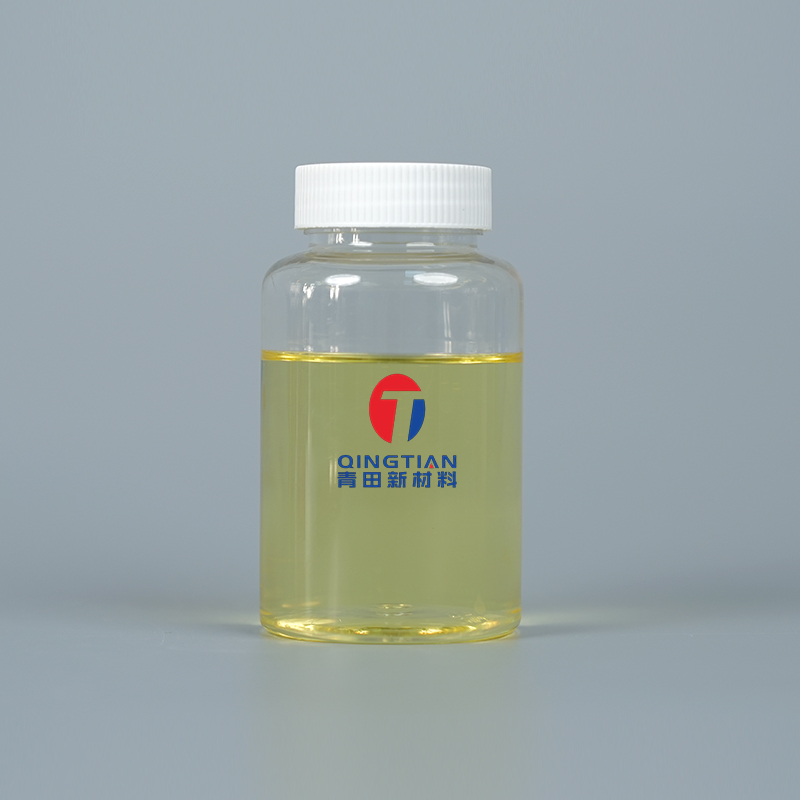
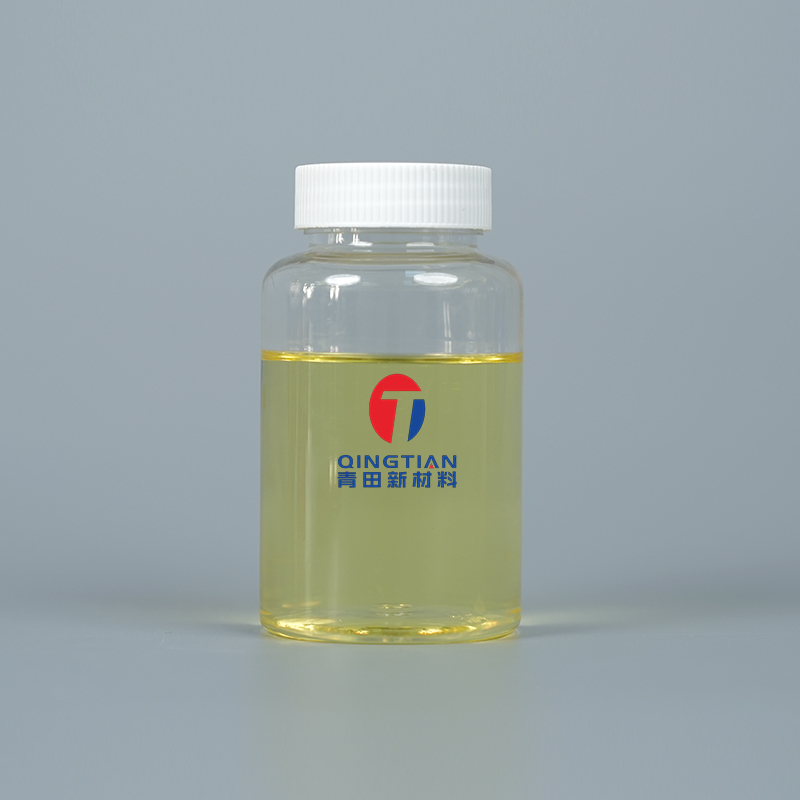
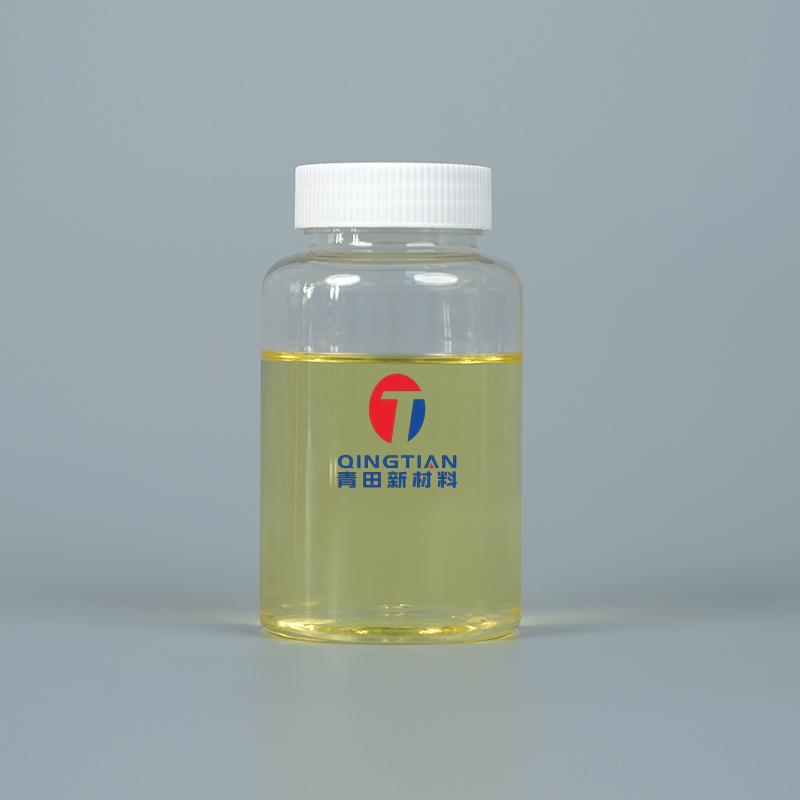
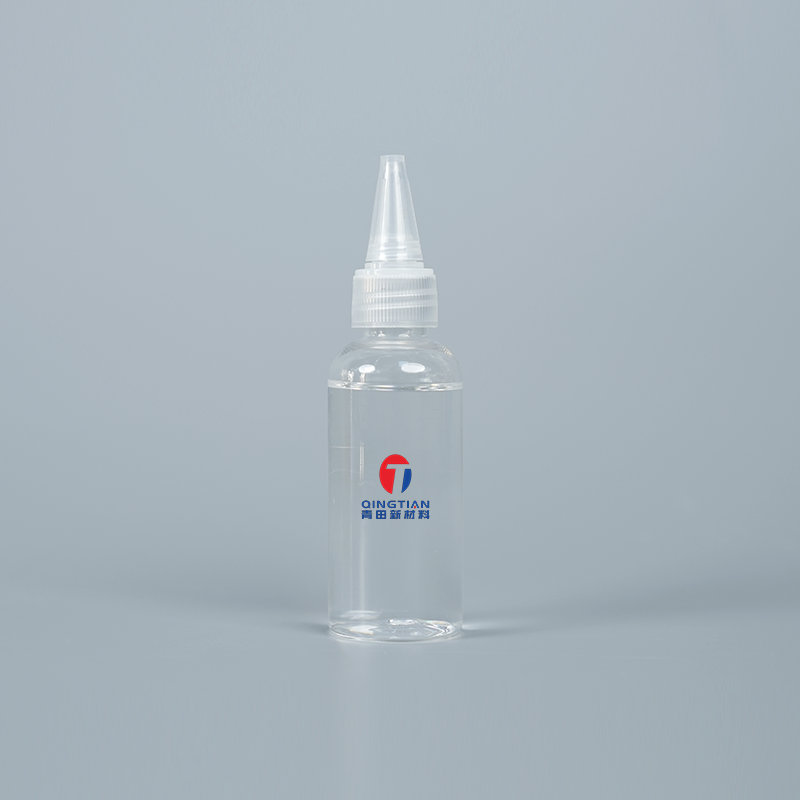
Silicone-free Leveling agent: Performance Advantages in Coatings and Ink Systems
One of the most significant advantages of a
Silicone-free Leveling agent lies in surface smoothness enhancement. During coating or ink application, surface irregularities often occur due to uneven solvent evaporation, viscosity variation, substrate energy differences, or inadequate flow characteristics. These irregularities may lead to defects such as orange peel texture, pinholes, craters, brush marks, and uneven gloss distribution. A Silicone-free Leveling agent effectively regulates surface tension gradients across the coating film, enabling uniform flow and self-leveling behavior. By optimizing the mobility of coating components during film formation, the additive promotes the redistribution of materials across the surface, resulting in a smooth and continuous film structure. Improved film uniformity directly contributes to better visual appearance, enhanced mechanical integrity, and increased protective performance. In high-gloss coatings, smooth surfaces generate consistent light reflection and improved aesthetic value. In protective coatings, uniform thickness ensures reliable barrier properties against corrosion, moisture, and chemical exposure. Manufacturers seeking consistent surface quality benefit from stable leveling behavior across various processing conditions, including spray coating, roller coating, dip coating, and printing applications. Through advanced formulation development, companies such as Suzhou Qingtian New Material Co., Ltd. provide leveling solutions that deliver predictable and repeatable surface performance across diverse industrial environments.
Substrate wetting plays a critical role in determining coating adhesion, film integrity, and surface coverage. Poor wetting may result in incomplete coverage, surface voids, and weak adhesion between the coating and substrate. A Silicone-free Leveling agent enhances substrate wetting by reducing surface tension and promoting uniform spreading of the coating material. Enhanced wetting allows coating formulations to effectively cover low-energy substrates such as plastics, treated metals, glass, and composite materials. This capability becomes particularly important in advanced manufacturing industries where complex materials and engineered surfaces require precise coating performance. Improved wetting also contributes to reduced material consumption. When coating materials spread efficiently, manufacturers can achieve full coverage using less material, leading to cost savings and improved resource efficiency. Uniform spreading further supports consistent film thickness and prevents localized accumulation of coating components. The development of advanced wetting technologies requires extensive research and testing capabilities. With comprehensive testing equipment and experienced technical personnel, Suzhou Qingtian New Material Co., Ltd. supports continuous optimization of wetting performance across various formulation systems.
Surface defects represent a major challenge in coating and ink production. Defects such as craters, fisheyes, pinholes, and flow marks may compromise product quality and lead to increased production costs due to rework or rejection. The Silicone-free Leveling agent minimizes defect formation by stabilizing surface tension distribution and improving flow dynamics during curing or drying processes. The additive promotes controlled movement of coating components, preventing localized disturbances that cause defect formation. Unlike silicone-based additives, silicone-free alternatives reduce the risk of contamination that may interfere with subsequent coating layers or finishing processes. This advantage makes Silicone-free Leveling agent technology particularly suitable for multi-layer coating systems, printing applications, and precision manufacturing processes. Consistent defect control improves overall production efficiency by reducing waste and minimizing the need for corrective measures. Manufacturers benefit from stable process performance and reliable product quality.
Intercoat adhesion represents a critical factor in multi-layer coating systems. Poor adhesion between layers may lead to delamination, peeling, or mechanical failure. Silicone-based additives sometimes create surface conditions that reduce adhesion between coating layers, resulting in performance limitations. A Silicone-free Leveling agent avoids such issues by maintaining balanced surface properties that support strong bonding between layers. The additive promotes compatibility between coating components and ensures that subsequent layers adhere effectively to previously applied films. Improved recoatability allows manufacturers to apply additional coatings without extensive surface preparation. This capability increases production efficiency and reduces processing time. In industrial environments where multiple coating layers are required, reliable intercoat adhesion ensures long-term structural stability and protective performance. Suzhou Qingtian New Material Co., Ltd. provides additive solutions designed to enhance intercoat compatibility and support complex coating systems used in industrial and functional applications.
Modern coating and ink formulations incorporate various resin systems, including acrylic, epoxy, polyurethane, polyester, and UV-curable resins. Additives must maintain compatibility with these systems to ensure consistent performance. A Silicone-free Leveling agent demonstrates excellent compatibility with diverse resin chemistries. The additive integrates seamlessly into formulations without causing phase separation, instability, or undesirable interactions. Such compatibility supports formulation flexibility and enables manufacturers to design customized coating systems. The ability to function effectively across multiple resin systems reduces formulation complexity and simplifies production processes. Manufacturers can achieve consistent performance without extensive reformulation efforts. Through advanced research capabilities, Suzhou Qingtian New Material Co., Ltd. develops additive technologies that maintain stability and compatibility across various chemical systems.
Surface appearance remains a key quality indicator for coatings and printing inks. Gloss uniformity, clarity, and smoothness directly influence product perception and market competitiveness. A Silicone-free Leveling agent improves gloss consistency by promoting uniform surface morphology. The additive reduces micro-level irregularities that scatter light, resulting in enhanced optical properties. Depending on formulation requirements, manufacturers can achieve high-gloss, semi-gloss, or matte finishes with improved uniformity. In printing ink applications, improved surface smoothness enhances color consistency and print clarity. Uniform ink distribution supports precise image reproduction and improved visual quality. The development of appearance-enhancing additives requires precise control of molecular structure and surface interaction properties. Suzhou Qingtian New Material Co., Ltd. utilizes advanced technical expertise to design products that optimize visual performance in coatings and inks.
Manufacturing efficiency represents a primary concern in industrial coating and ink production. Additives that improve processing stability contribute to increased productivity and reduced operational costs. A Silicone-free Leveling agent enhances process efficiency by improving flow characteristics and reducing viscosity-related challenges. Stable flow behavior supports consistent application and minimizes processing variability. Improved leveling reduces the likelihood of coating defects that require rework or correction. Reduced defect rates lead to shorter production cycles and lower material waste. Consistent performance across varying environmental conditions further enhances production stability. Manufacturers benefit from predictable results even when processing parameters fluctuate. Suzhou Qingtian New Material Co., Ltd. supports industrial customers by providing reliable additive solutions that improve manufacturing efficiency and process control.


 русский
 Español
 Français