


 русский
 Español
 Français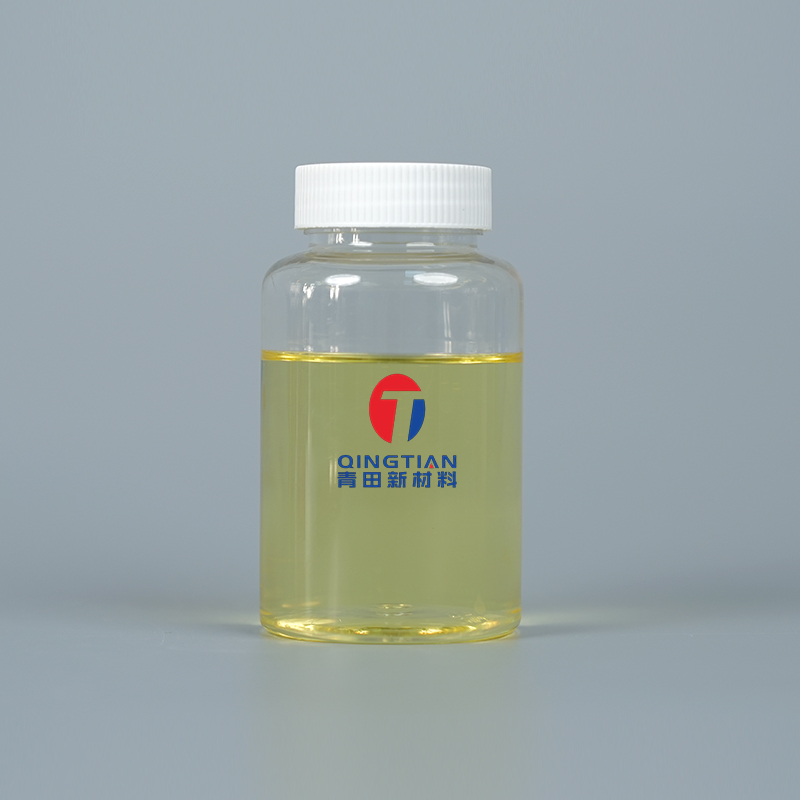
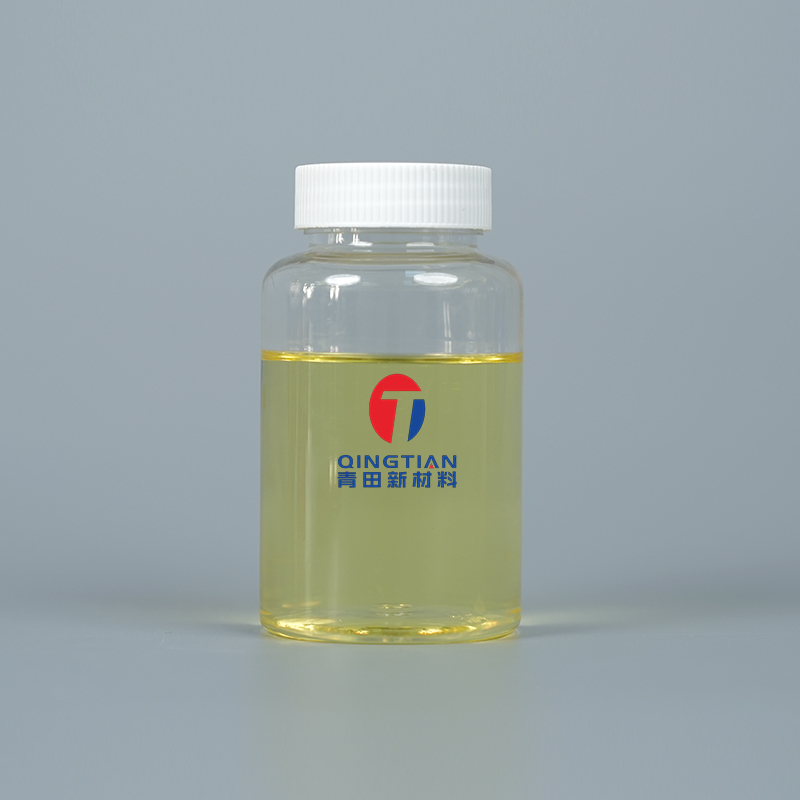
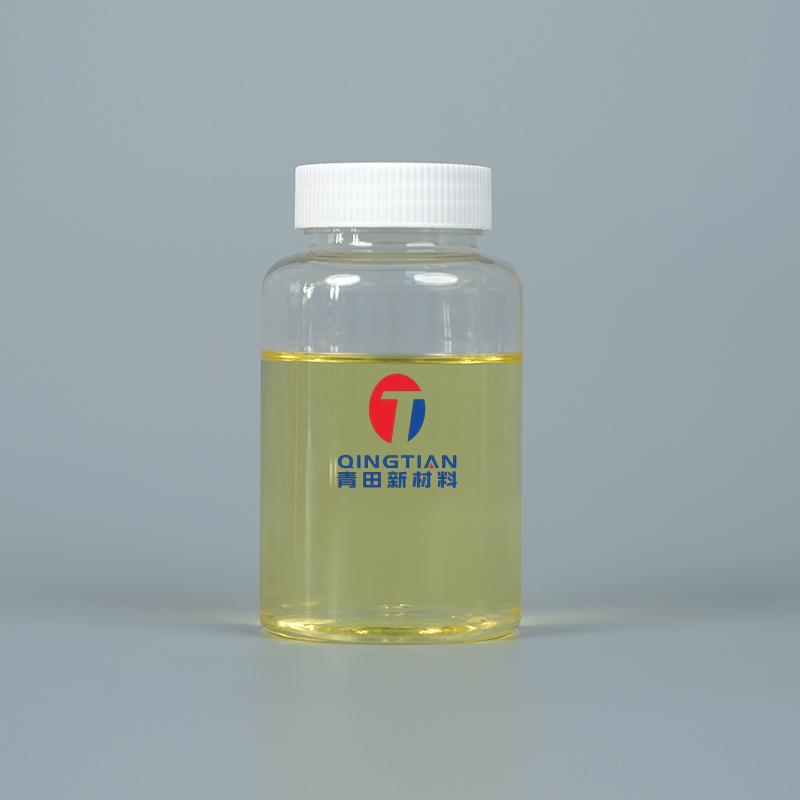
Introduction: Understanding Adhesion Promoters and Surface Bonding What Is an Adhesion Promoter? An adhesion promoter is a chemical or chemical formulation applied to a substrate surface prior to the ...
READ MORE
Product Category
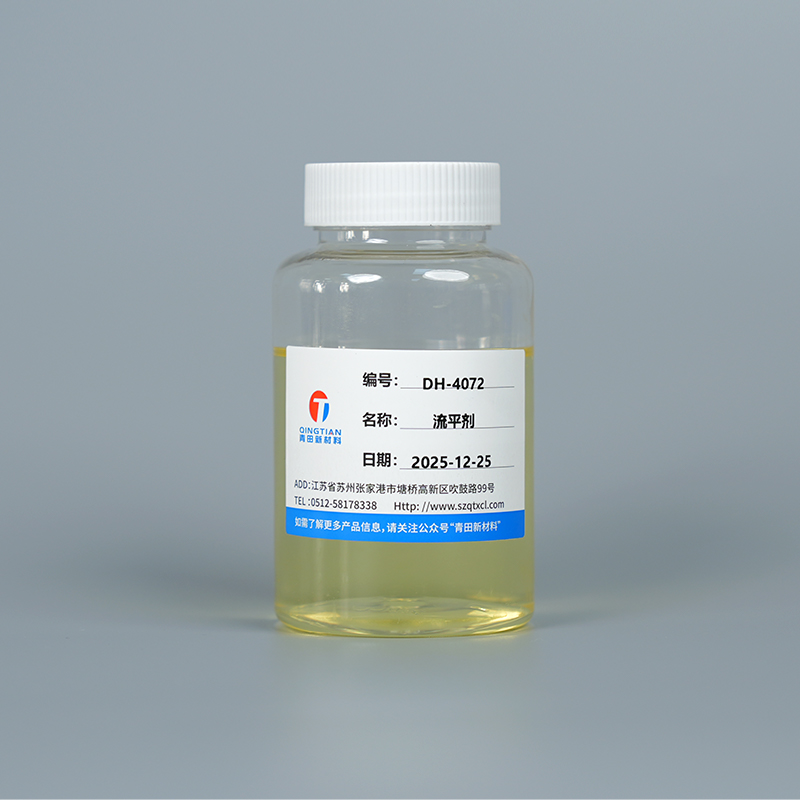
Custom Acrylate Leveling Agent Manufacturers
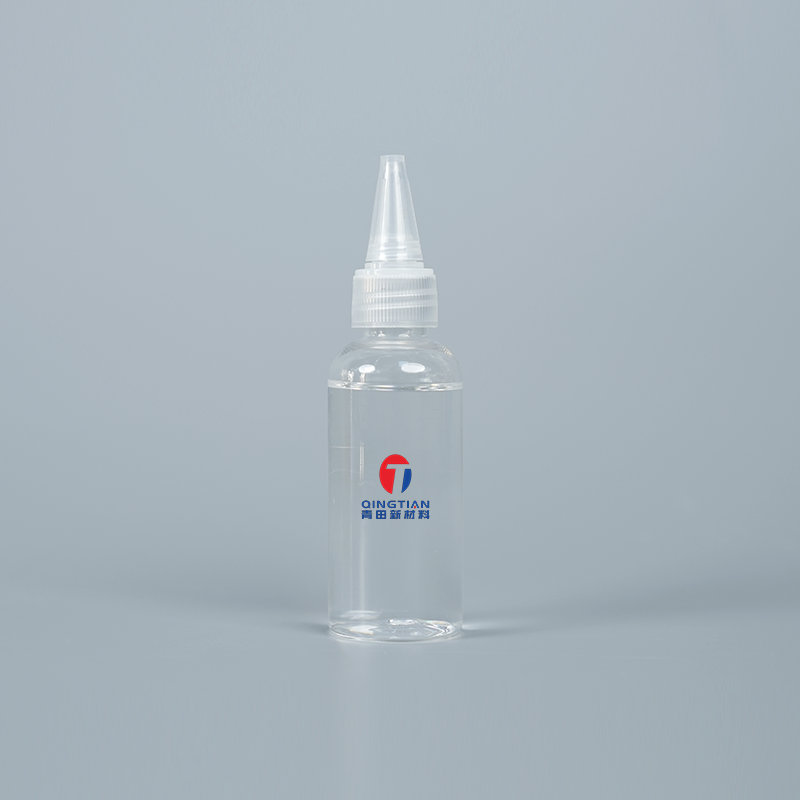
Leveling agents are primarily used to improve the flow and leveling properties of coatings, ensuring that the coating can spread evenly on the substrate surface to form a smooth and even coating. The application of leveling agents effectively eliminates surface defects that may occur during application, such as brush marks, orange peel, and bubbles, thereby improving the quality and appearance of the coating.
During coating application, the leveling performance of the coating may be affected by uneven surface tension, leading to uneven distribution or an uneven film. Leveling agents reduce the surface tension of the coating, improving its wettability to the substrate and promoting uniform spread of the coating on the substrate surface, thus achieving a smooth and glossy coating. Through this action, leveling agents help the coating fill in the microscopic unevenness of the substrate surface, ensuring a smooth and even coating and avoiding defects such as bubbles and scratches.
The mechanism of action of leveling agents is based on adjusting the rheological properties of the coating and optimizing its flow and spreading ability during application. During application, leveling agents enable the coating to have better flowability, promoting uniform spread and filling the fine textures of the substrate surface, thereby effectively ensuring the overall smoothness, gloss, and visual effect of the coating. It improves the appearance of the coating while enhancing its durability and decorative effect.
It is widely used in coating systems requiring high decorative properties and surface finishes, such as high-gloss coatings, furniture coatings, and automotive coatings. It plays a crucial role in these coating systems that demand perfect coating results.
About Us
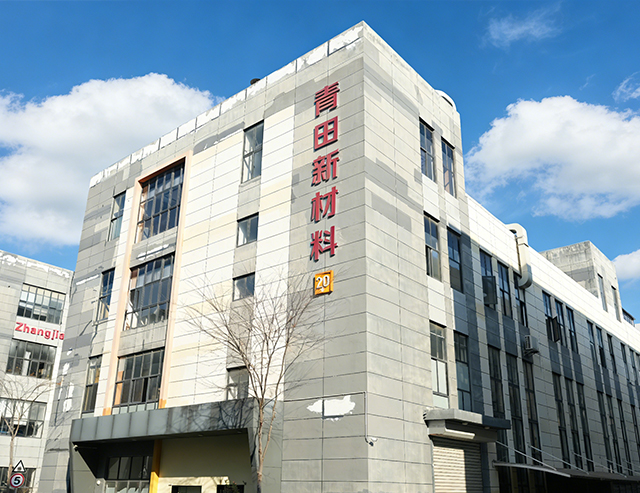
Suzhou Qingtian New Material Co., Ltd.
Suzhou Qingtian New Material Co., Ltd. is professional China Water-based Leveling Agent Manufacturers and Custom Acrylate Leveling Agent for Coatings Suppliers specializing in raw materials for coatings, inks, and adhesives. Through years of effort, the company has developed a professional R&D team, sales team, and production base, equipped with comprehensive testing equipment and cutting-edge technical R&D personnel, striving tirelessly to serve customers and lead the market.
The company's main products include dispersants, leveling agents, defoamers, adhesion promoters, anti-settling agents, cooling agents, conductive agents, orange peel texture agents, texture powders, and wax powders. The products have a wide sales range, covering steel and aluminum coil coatings, plastic coatings, UV curing, anti-corrosion coatings, wood coatings, glass coatings, epoxy flooring, printing inks, power batteries, photovoltaic panels, and other fields. In response to the national environmental protection concept of "clear waters and blue skies," the company continuously innovates and develops water-based products, contributing to the development of the water-based industry.
Qingtian New Material adheres to the business philosophy of "Professionalism, Integrity, Service, and Win-Win," and has adopted advanced international marketing concepts and market management models to provide high-quality products and services to new and old customers, achieving win-win results with trustworthy partners.
The company's main products include dispersants, leveling agents, defoamers, adhesion promoters, anti-settling agents, cooling agents, conductive agents, orange peel texture agents, texture powders, and wax powders. The products have a wide sales range, covering steel and aluminum coil coatings, plastic coatings, UV curing, anti-corrosion coatings, wood coatings, glass coatings, epoxy flooring, printing inks, power batteries, photovoltaic panels, and other fields. In response to the national environmental protection concept of "clear waters and blue skies," the company continuously innovates and develops water-based products, contributing to the development of the water-based industry.
Qingtian New Material adheres to the business philosophy of "Professionalism, Integrity, Service, and Win-Win," and has adopted advanced international marketing concepts and market management models to provide high-quality products and services to new and old customers, achieving win-win results with trustworthy partners.
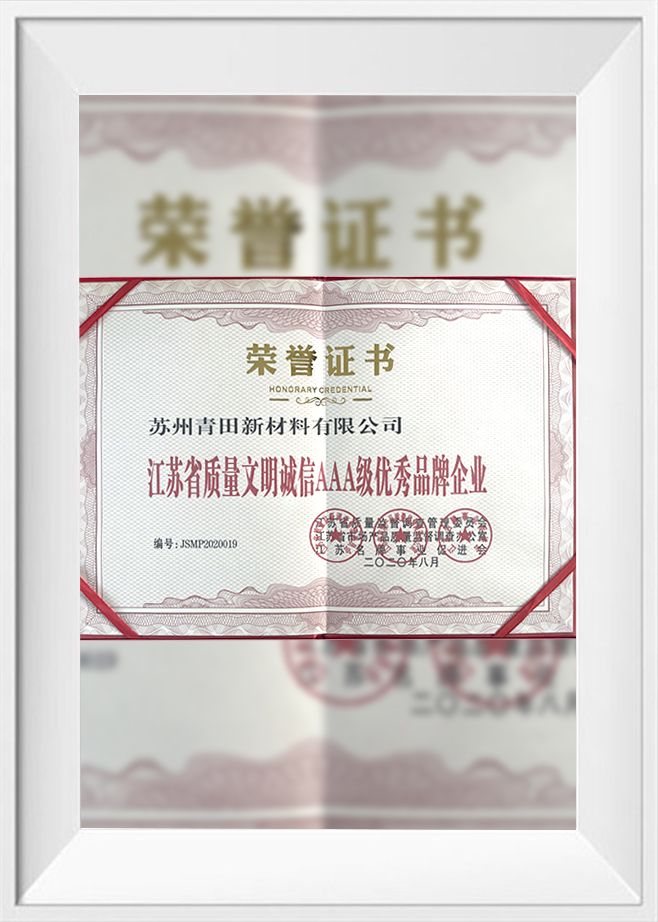
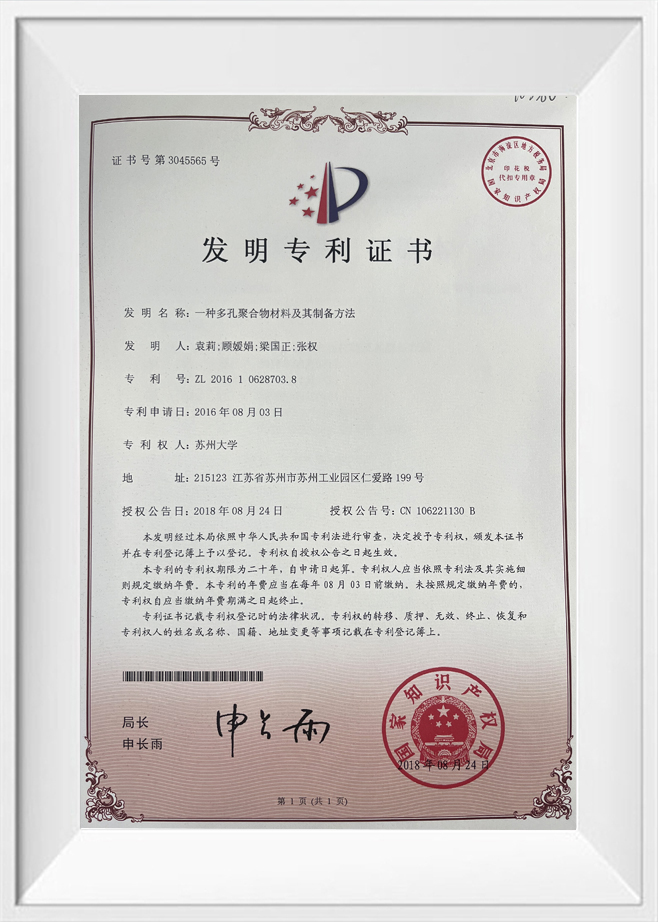
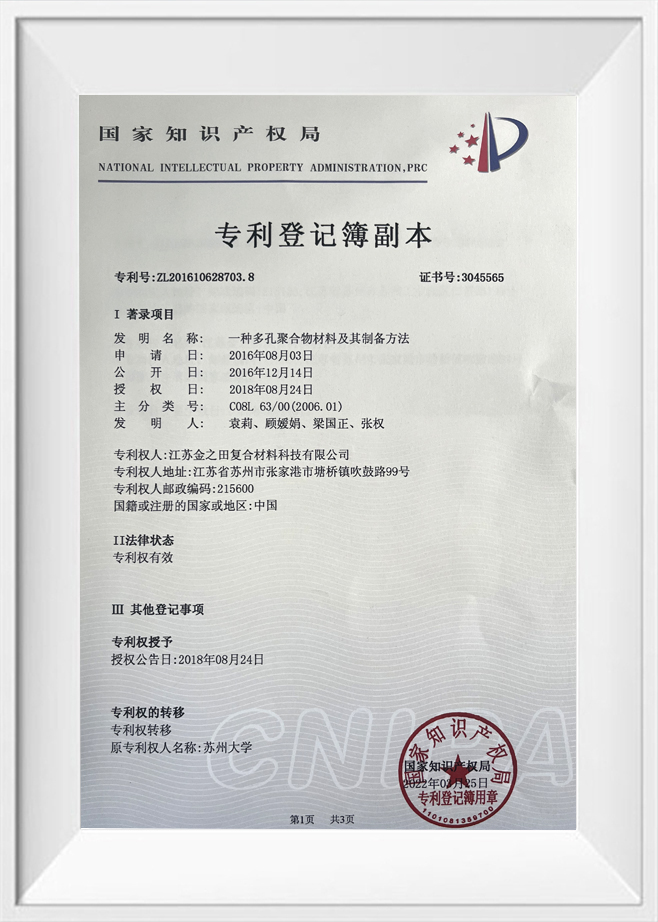
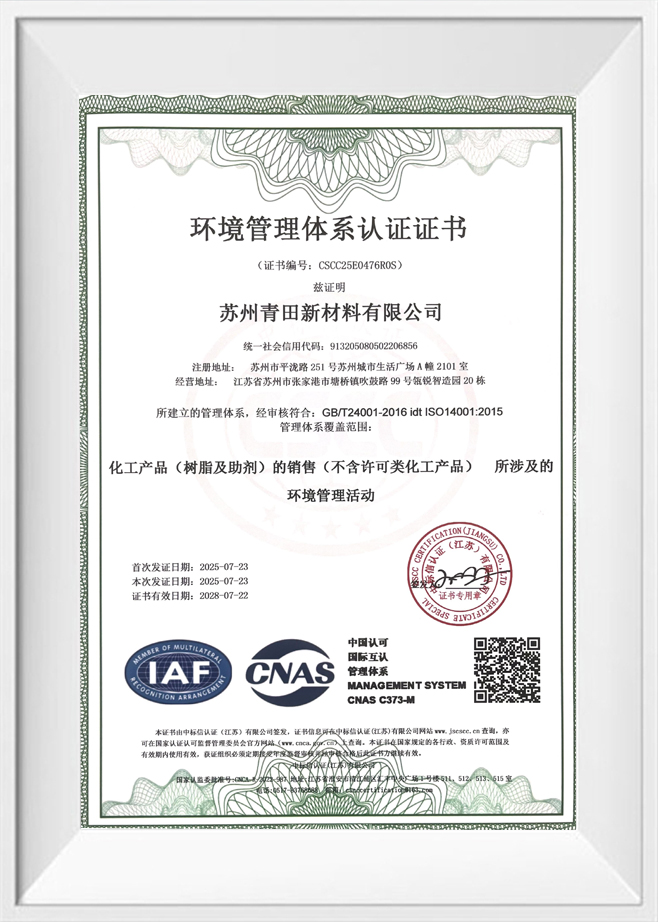
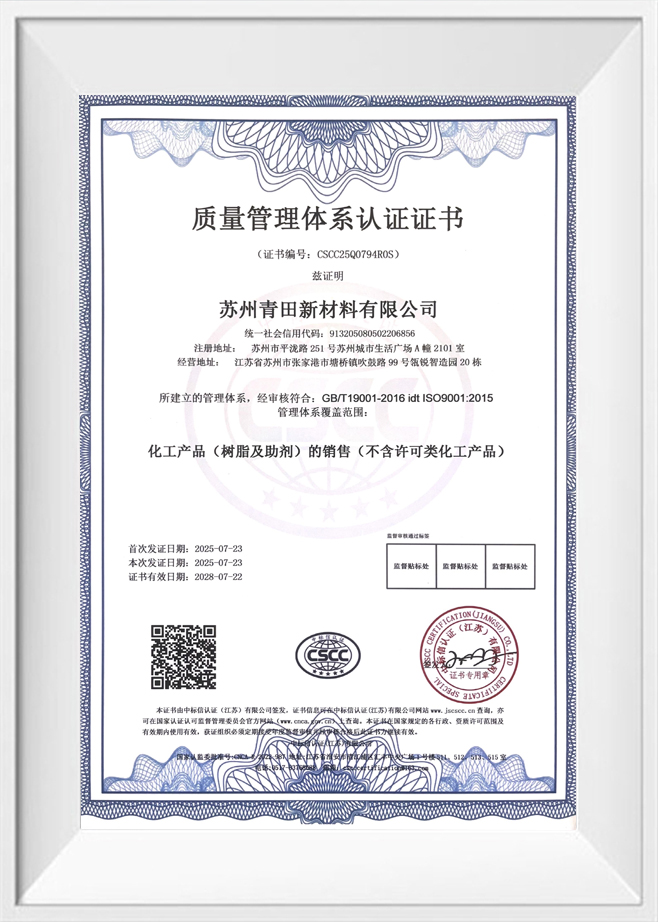
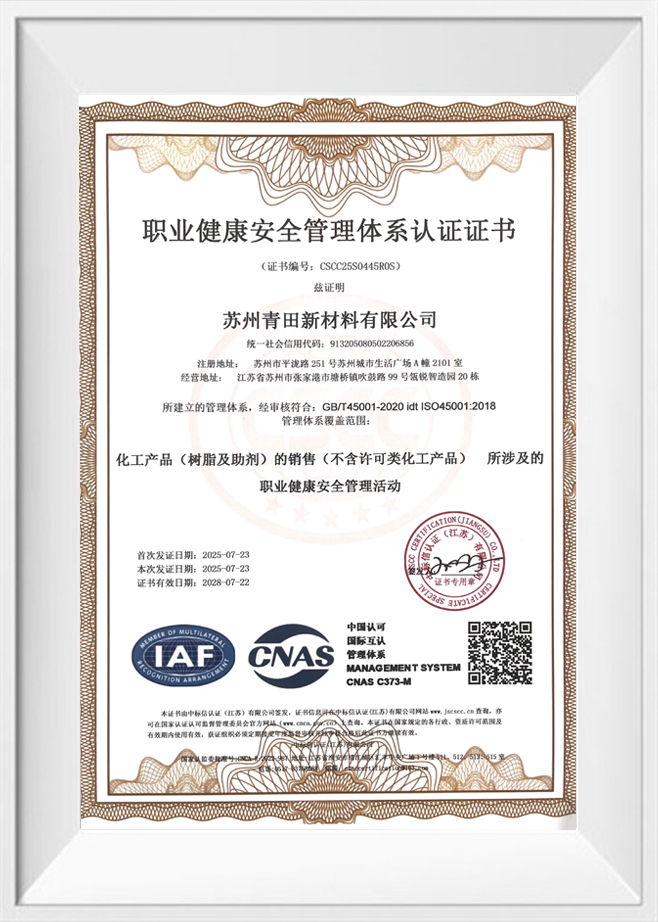
Certificate Of Honor
News
-
-
How Do Dispersing Agents Influence Pigment Wetting and Stabilization? 1. The Thermodynamics of Pigment Wetting and the Role of Dispersing Agents Pigment wetting is the first and most fundamental...
READ MORE -
Understanding Acrylate Leveling Agents: The Backbone of Surface Excellence In the sophisticated world of industrial coatings, achieving a flawless, mirror-like finish is not merely an aesthetic prefer...
READ MORE -
The essence of snow-melting agents is that they are "phase change regulators" that lower the freezing point by altering the phase change mechanism of water. This characteristic, while different in app...
READ MORE -
First Generation: Sodium Chloride – A Classic “Pioneer” Industrial salt is a relatively traditional and economical de-icing agent. Raw materials are readily available, costs are low, and it works well...
READ MORE
Message Feedback
Leveling Agent Industry knowledge
Are Leveling Agents Suitable for High-Solids or Solvent-Free Systems?
Characteristics of High-Solids and Solvent-Free Formulations
High-solids and solvent-free coating systems are increasingly adopted to reduce volatile organic compound emissions and comply with environmental regulations. These systems typically contain a higher proportion of resin and functional components while minimizing or eliminating traditional solvents. As a result, viscosity tends to be higher, flow behavior becomes more complex, and surface leveling challenges may arise during film formation. In such formulations, the role of additives, including leveling agents, becomes more critical to ensure uniform surface appearance.
Unlike conventional solvent-based coatings where solvent evaporation aids flow and defect elimination, high-solids and solvent-free systems rely more heavily on the intrinsic rheological balance of the formulation. Therefore, the compatibility and performance of leveling agents must be carefully evaluated under these specific conditions.
Function of Leveling Agents in Film Formation
Leveling agents are designed to reduce surface tension gradients and promote uniform spreading of the coating film. They help minimize defects such as craters, brush marks, orange peel, and surface waviness. In high-solids or solvent-free systems, the reduced solvent content limits natural flow, making surface tension control even more important.
By migrating to the air–coating interface during film formation, leveling agents adjust surface energy distribution and enhance smoothness. However, their efficiency depends on molecular structure, compatibility with the resin matrix, and the curing mechanism of the system. Inadequate selection may lead to phase separation or surface instability.
| System Type | Main Challenge | Role of Leveling Agent |
| High-Solids Coating | High viscosity | Improve surface flow |
| Solvent-Free Coating | Limited evaporation-driven leveling | Reduce surface tension differences |
| UV-Curable System | Rapid curing | Promote quick surface uniformity |
Compatibility with Resin Systems
In high-solids or solvent-free formulations, resin concentration is significantly higher, which increases the importance of compatibility between the leveling agent and the binder system. If incompatibility occurs, surface defects such as shrinkage or fisheyes may appear. The polarity and molecular weight of the leveling agent must align with the resin chemistry to ensure stable dispersion and controlled surface migration.
At Suzhou Qingtian New Material Co., Ltd., formulation development includes compatibility screening between additives and various resin systems used in coatings, inks, and adhesives. Advanced analytical tools allow evaluation of surface tension behavior, gloss levels, and film morphology under simulated production conditions.
Impact of Viscosity and Rheological Control
High-solids systems inherently exhibit elevated viscosity, which may hinder leveling performance. Leveling agents alone cannot compensate for improper rheological balance. Therefore, their use must be coordinated with rheology modifiers and dispersing agents. The interaction between these components influences flow characteristics during application and curing.
In solvent-free systems, particularly those cured by heat or radiation, the curing speed affects how long the leveling agent can function before the film solidifies. Rapid curing processes reduce the time window for surface adjustment, requiring leveling agents with appropriate migration speed and surface activity.
Environmental and Regulatory Considerations
Since high-solids and solvent-free systems are often selected for environmental compliance, leveling agents must also meet regulatory standards. Additives with low volatility and minimal contribution to emissions are preferred. Silicone-based and acrylic-based leveling agents are commonly evaluated, but their selection depends on system compatibility and performance requirements.
Continuous research efforts, supported by modern production facilities and experienced R&D personnel, enable manufacturers to refine additive compositions that align with both environmental guidelines and application performance expectations.
Performance Testing in Industrial Applications
Determining whether leveling agents are suitable for high-solids or solvent-free systems requires systematic testing. Surface gloss measurement, wave-scan analysis, and defect inspection help quantify leveling effectiveness. Viscosity monitoring during production simulates continuous processing conditions to ensure that the additive maintains consistent behavior.
With advanced testing equipment, Suzhou Qingtian New Material Co., Ltd. evaluates additive performance in controlled laboratory settings before scaling up to industrial production. This approach supports stable integration of leveling agents into modern coating systems with reduced solvent content.
Balancing Surface Quality and Mechanical Properties
While leveling agents enhance surface smoothness, their concentration must be carefully controlled to avoid compromising intercoat adhesion or mechanical durability. Excessive surface activity may interfere with bonding between layers in multi-coat systems. Achieving a balance between aesthetic appearance and structural integrity is essential in high-performance coatings.
Through formulation optimization and iterative validation, leveling agents can be effectively incorporated into high-solids and solvent-free systems. Careful material selection, compatibility evaluation, and process control contribute to stable surface quality across diverse coating, ink, and adhesive applications.
FAQ
Q: How does a leveling agent affect the final appearance of a coating?
A: Leveling agents help to reduce surface imperfections, such as brush marks or streaks, during the curing process. By lowering the surface tension of the coating, they allow for a smoother finish. This results in a more uniform, glossy appearance, free from irregularities that may detract from the desired aesthetics.
Q: Can leveling agents be used in both water-based and solvent-based systems?
A: Yes, leveling agents can be formulated for use in both water-based and solvent-based systems. However, the chemical composition and surface activity of the agent may vary based on the solvent system to ensure proper performance. Compatibility with the resin and other additives is key for achieving the best results in different environments.
Q: How does the molecular structure of a leveling agent influence its performance?
A: The molecular structure of a leveling agent determines its compatibility with the resin system and its ability to migrate to the coating surface. For example, agents with long-chain polymers tend to provide better surface coverage, while those with smaller molecules are effective in reducing surface tension quickly. The choice of structure impacts both the application and the final finish quality.
Q: Do leveling agents contribute to the durability of the coating?
A: While the primary role of leveling agents is to enhance the appearance of the coating by reducing defects, some can also influence the durability of the final film. Certain agents may help improve adhesion, flexibility, and resistance to environmental factors like moisture or abrasion, thus contributing to the overall longevity of the coating.
Q: How can the concentration of a leveling agent affect the viscosity of the coating?
A: The concentration of a leveling agent can directly impact the viscosity of the coating. Higher concentrations may lower the viscosity, leading to improved flow and leveling but potentially affecting film thickness and drying time. Proper formulation adjustments are necessary to balance the desired leveling effect with viscosity control for optimal application.
Q: Can leveling agents be used in combination with other additives like dispersing agents or thickeners?
A: Yes, leveling agents can be effectively combined with other additives such as dispersing agents or thickeners. The interaction between these agents must be carefully balanced to ensure that each additive performs optimally. For instance, a dispersing agent can aid in pigment dispersion, while a thickener helps control viscosity, and the leveling agent smooths the finish.
Q: What role do leveling agents play in UV-curable coatings?
A: In UV-curable coatings, leveling agents are essential for controlling the surface smoothness and uniformity of the cured film. As UV-curing occurs rapidly, the leveling agent must have a fast migration rate to prevent defects like orange peel or uneven gloss. The proper selection ensures that the coating cures smoothly and uniformly without compromising other key properties like adhesion.
-
-
Phone
+86-189 1262 7527 +86-512 5817 8338 -
E-mail
inquiry@jsjinzhitian.com claire@jsjinzhitian.com -
Address
No. 99, Chuigu Road, Tangqiao High-tech Zone, Zhangjiagang City, Suzhou, Jiangsu Province, China
-
Copyright © Suzhou Qingtian New Material Co., Ltd. All Rights Reserved.
 Custom Water-based Leveling Agent for Coatings Manufacturers
Custom Water-based Leveling Agent for Coatings Manufacturers