What Chemical Mechanisms Allow Solvent-borne Dispersants to Achieve Superior Pigment Stability in Non-Aqueous Systems?
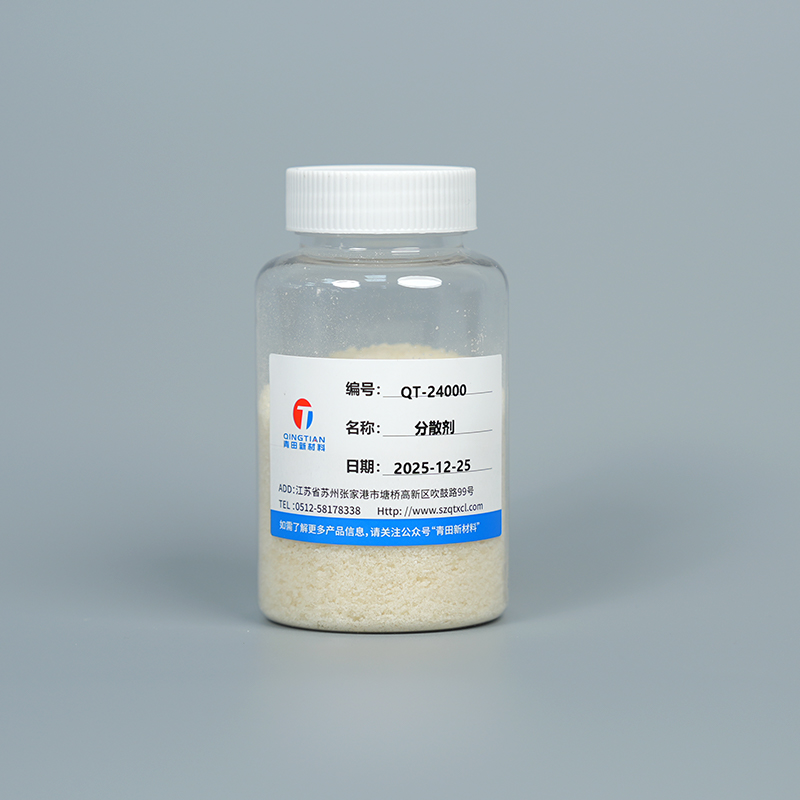
The fundamental challenge in any solvent-based coating is preventing the natural tendency of solid particles pigments and fillers to clump together. Solvent-borne Dispersants are specifically engineered to exhibit stronger oleophilic and hydrophobic properties compared to their water-borne counterparts. This specialized chemistry is what makes them indispensable for solvent-based coatings and inks.
The Amphoteric Architecture
The ultimate effectiveness of a high-performance solvent-based dispersant is rooted in its sophisticated and precisely engineered amphoteric molecular structure. To understand its function at the microscopic level, one can imagine the molecule as a chemical bridge equipped with two distinct, functional anchors designed to operate at the interface of the solid pigment and the liquid solvent:
The Pigment-Affinity Group: One end of the dispersant molecule is engineered with high-energy functional groups, such as amine, carboxyl, or phosphoric acid groups, which possess a high affinity for the solid phase. These groups facilitate a robust chemical or physical bond directly onto the surface of the pigment or filler particles, ensuring the dispersant remains firmly attached even under high-shear conditions.
The Solvent-Compatible Chain: The opposite end of the molecule is composed of extended polymer chains or specialized oleophilic structures. These chains are specifically synthesized to be highly compatible with the surrounding organic solvent environment, such as aromatic hydrocarbons, esters, or ketones. By extending outward into the liquid medium, these chains provide the necessary physical separation between particles.
Steric Hindrance vs. Electrostatic Repulsion
In solvent-based systems, steric hindrance is the dominant mechanism for stability. As the dispersant "tails" extend into the solvent, they create a dense molecular "buffer zone" around each pigment particle. When two particles attempt to approach each other, these polymer chains overlap and compress, creating an entropic repulsive force that physically prevents the particles from touching.
While electrostatic repulsion (the primary mechanism in water-based systems) is less common in low-dielectric solvents, certain advanced dispersants from Suzhou Qingtian New Material Co., Ltd. are designed to provide a dual-stabilization effect. By ensuring stable particle dispersion, these additives inhibit aggregation and sedimentation, guaranteeing that the coating maintains a uniform and liquid state throughout its lifecycle from the factory floor to the final application.
How Do Advanced Dispersants Impact the Rheology, Storage, and Final Aesthetics of Industrial Coatings?
A high-performance dispersant is far more than a simple stabilizer; it functions as a comprehensive performance enhancer that influences every critical stage of a coating's operational life, from initial manufacturing to long-term outdoor exposure. When a professional Wholesale Solvent-borne Dispersants Supplier provides a high-quality, technically optimized product, the benefits are visible in the following key industrial areas:
Enhanced Rheology and Application Properties
Properly dispersed systems exhibit significantly lower viscosity and vastly improved flow characteristics compared to poorly stabilized alternatives. By effectively breaking down dense pigment clusters into individual, stabilized particles, the dispersant reduces the "internal friction" of the liquid medium, allowing for a more predictable and controllable fluid dynamic. For the end-user and the manufacturer, this mechanical optimization translates into several critical advantages:
Easier Pumping and Mixing: The reduction in system viscosity allows for high-volume liquid transfer with lower energy expenditure. During the grinding and let-down phases of manufacturing, this equates to reduced heat generation and lower energy costs, while also preventing excessive wear on equipment.
Superior Leveling and Surface Smoothness: As the coating is applied, a well-dispersed system allows the wet film to flow out with greater uniformity. By managing the surface tension and rheology, the dispersant helps eliminate common defects such as unsightly brush marks and the uneven "orange peel" texture, resulting in a flawless, professional-grade finish.
Improved Sprayability and Atomization: In automotive and high-end industrial spray booths, consistent atomization is essential. High-performance dispersants ensure that the coating maintains a stable viscosity under high shear, leading to a finer spray mist and a more uniform dry film thickness across complex geometries.
Maximizing Color Strength and Vividness
The visual impact and optical performance of a coating are directly proportional to the active surface area of the pigment. In a poorly stabilized system, flocculated or clumped pigments effectively hide their color potential within the center of the cluster, leading to a dull and inconsistent appearance. High-performance Solvent-borne Dispersants work by ensuring that every individual pigment particle is fully "wetted" and physically separated from its neighbors. This meticulous level of separation leads to several aesthetic and economic breakthroughs:
Higher Tinting Strength and Color Development: By maximizing the exposed surface area of the pigment, the coating achieves a much deeper and more vibrant color intensity using a smaller quantity of raw material. For manufacturers, this provides significant cost savings by reducing the volume of expensive organic pigments required to reach the target shade.
Exceptional Gloss and Optical Clarity: Smaller, well-dispersed particles create a significantly smoother surface at the micro-level once the film has dried. This precision-engineered surface allows light to reflect with mirror-like accuracy, minimizing haze and maximizing the Distinctness of Image, which is the hallmark of a premium industrial finish.
Long-term Storage Stability
One of the greatest fears for a coating manufacturer is "hard settling"—the formation of a rock-like layer of pigment at the bottom of a container that cannot be stirred back into suspension. Qingtian’s range of anti-settling agents and dispersants work synergistically to maintain a "soft-settling" or completely suspended state, ensuring that the product remains viable even after months of transportation or storage in varying temperatures.
Which High-Performance Fields Benefit Most from Qingtian's Specialized Solvent-borne Technologies?
The application of Solvent-borne Dispersants is nearly universal across the global industrial sector, serving as a fundamental requirement for almost any non-aqueous coating or ink system. However, as industrial requirements shift toward extreme durability and microscopic precision, certain high-tech fields require a level of chemical sophistication that only a professional, R&D-driven manufacturer like Suzhou Qingtian New Material Co., Ltd. can consistently provide.
Automotive and Coil Coatings
Automotive finishes and steel/aluminum coil coatings demand perfection. These systems often utilize expensive organic pigments and metallic flakes. Qingtian's dispersants ensure that metallic flakes are oriented correctly and that high-chroma pigments do not flocculate, which is essential for achieving the "metallic flop" and vibrant colors expected in the modern automotive market.
Power Batteries and Photovoltaics
In the cutting-edge field of Power Batteries, dispersion is a matter of safety and efficiency. Conductive agents like carbon nanotubes (CNTs) or graphene must be perfectly dispersed within the solvent-based electrode slurry to create a uniform conductive network. Qingtian's technical R&D personnel have developed specialized dispersants that handle these high-surface-area materials, contributing to the development of longer-lasting and faster-charging batteries.
Wood Coatings and Industrial Epoxy Flooring
For wood coatings, clarity is key. Dispersants must ensure that the pigment or dye is so finely distributed that it does not obscure the natural grain of the wood. In the case of Epoxy Flooring, dispersants help maintain the uniformity of heavy fillers and pigments, ensuring a consistent color and texture across massive surface areas in warehouses and electronic workshops.
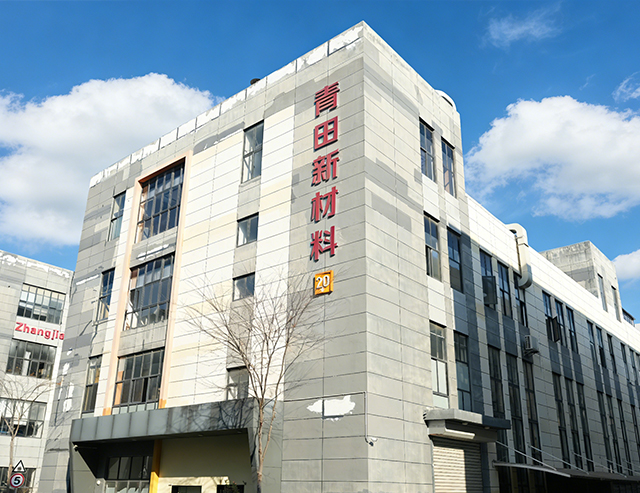
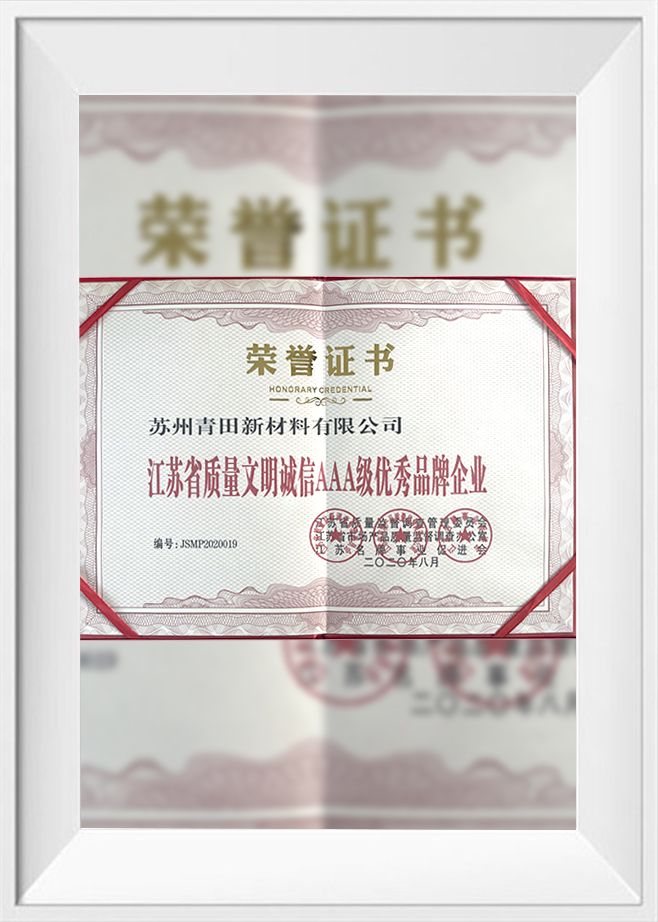
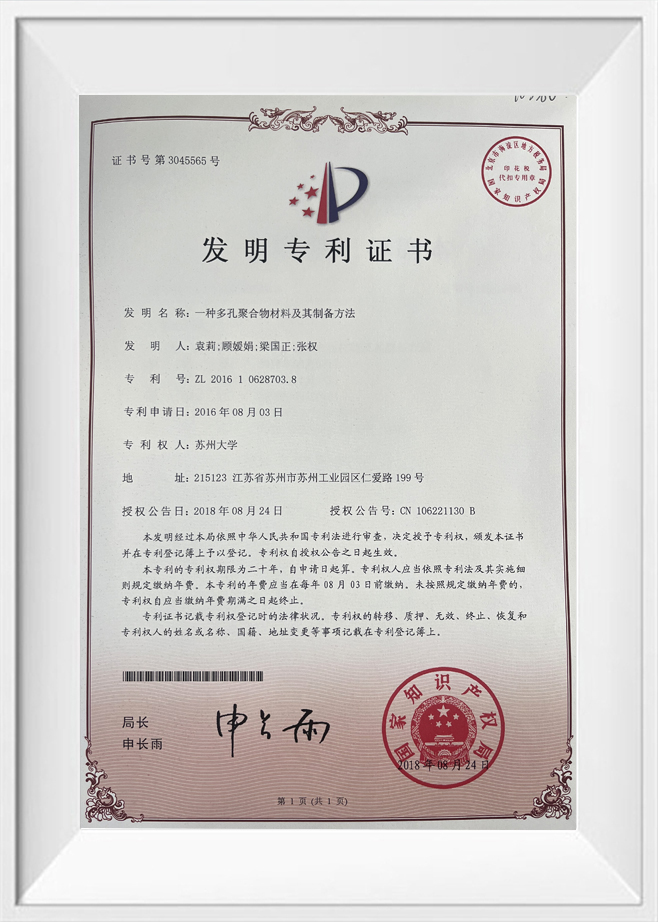
Suzhou Qingtian New Material Co., Ltd. has evolved far beyond the role of a traditional chemical manufacturer; today, it stands as a sophisticated strategic partner and a vital technical resource for the global coatings, inks, and adhesives industries. By moving away from a simple "commodity-supply" model, Qingtian focuses on long-term collaborative value creation, providing the chemical "intellect" required to solve the most daunting application challenges. Our industrial strength and market leadership are built upon several key pillars:
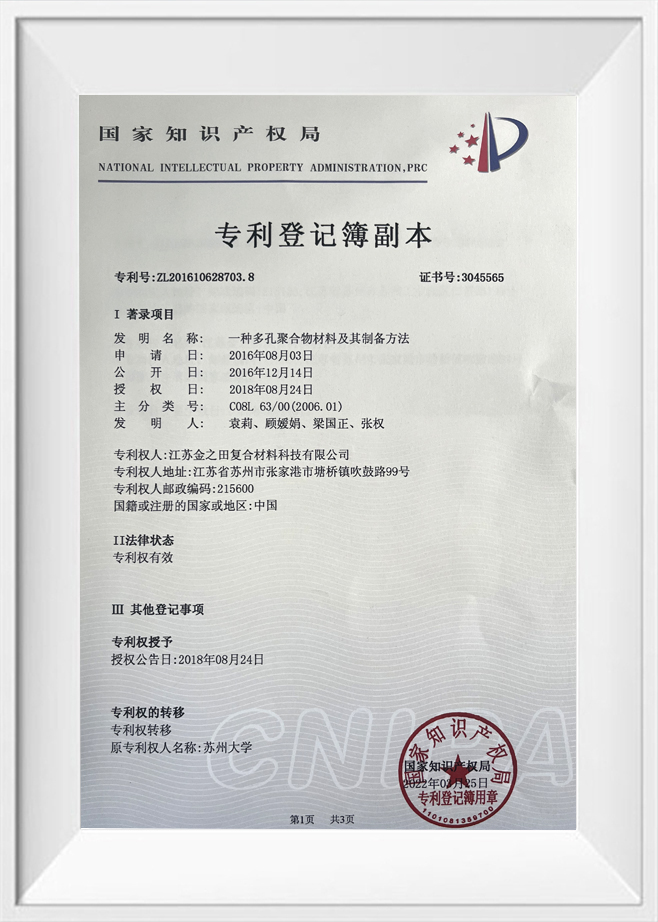
Professional R&D and Precision Testing: Our advanced production base is equipped with a comprehensive suite of analytical and testing equipment. This infrastructure allows our R&D team to accurately simulate real-world application failures and solve complex interfacial challenges at the molecular level, ensuring that every batch meets the highest industrial standards.
Comprehensive and Integrated Portfolio: We offer a versatile range of chemical solutions, from Adhesion Promoters and Industrial Defoamers to Specialized Wax Powders. By providing a "one-stop" solution for coating formulators, we simplify the supply chain and ensure chemical compatibility across all additive components.
Multi-Sector Technical Expertise: Our deep experience across diverse fields—including UV curing, anti-corrosion systems, and glass coatings—allows us to "cross-pollinate" technologies. We successfully bring the extreme durability of industrial coil coatings to the delicate and high-precision world of electronic printing inks.
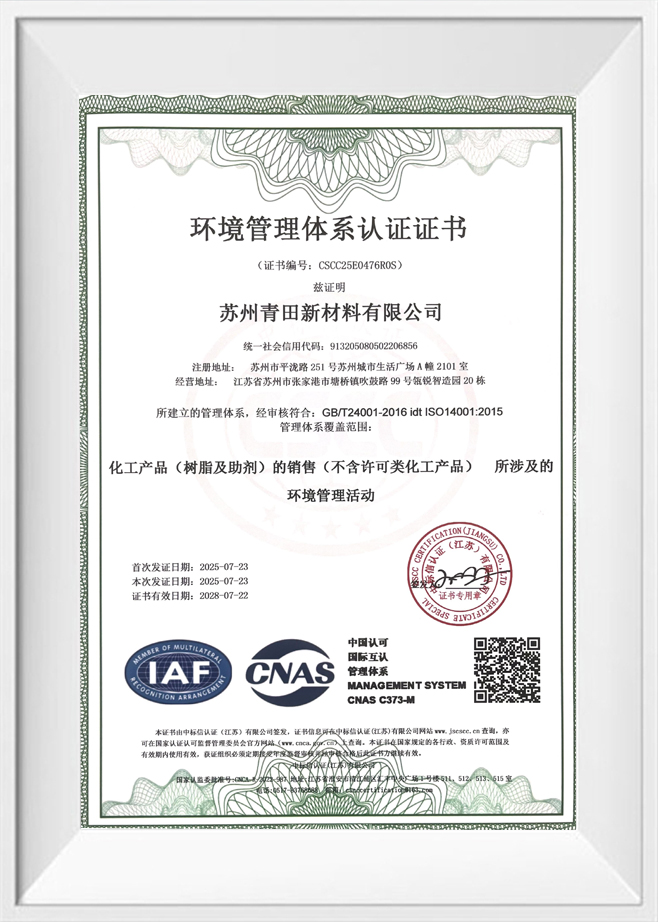
Steadfast Environmental Commitment: While we lead the market in high-performance solvent-borne technology, we are also firmly dedicated to the national concept of "clear waters and blue skies." We continuously innovate eco-friendly, water-based alternatives to help our global partners transition toward a more sustainable and low-VOC future.
Qingtian New Material utilizes advanced international marketing concepts to serve both new and old customers. Whether you are looking for high-performance Solvent-borne Dispersants or specialized Conductive Agents, we strive tirelessly to lead the market and ensure your success.
Core Solvent-borne Dispersant Selection Matrix
|
Substrate Type
|
Recommended Dispersant Feature
|
Industry Application
|
Key Benefit
|
|
Inorganic Pigments
|
High Acid Value / High Polarity
|
Anti-corrosion, Primers
|
Excellent anti-settling; High loading
|
|
Organic Pigments
|
Polyurethane / Acrylic Block Copolymers
|
Automotive, Wood Coatings
|
High gloss; Superior color development
|
|
Carbon Black / CNTs
|
High Amine Value / Steric Stabilization
|
Power Batteries, ESD Coatings
|
Lowers viscosity; High conductivity
|
|
Metallic Flakes
|
Controlled Flocculation / Orientation
|
Coil Coatings, Metallic Paints
|
Prevents "clouding"; Enhances sparkle
|
The evolution of the coatings industry is driven by the demand for higher performance and lower environmental impact. By mastering the complex chemistry of Solvent-borne Dispersants, Suzhou Qingtian New Material Co., Ltd. continues to provide the essential tools that allow manufacturers to push the boundaries of what a coating can achieve. From the protective layers of a solar panel to the sleek finish of a luxury vehicle, our additives are the silent partners in industrial excellence.


 русский
 Español
 Français