


 русский
 Español
 Français
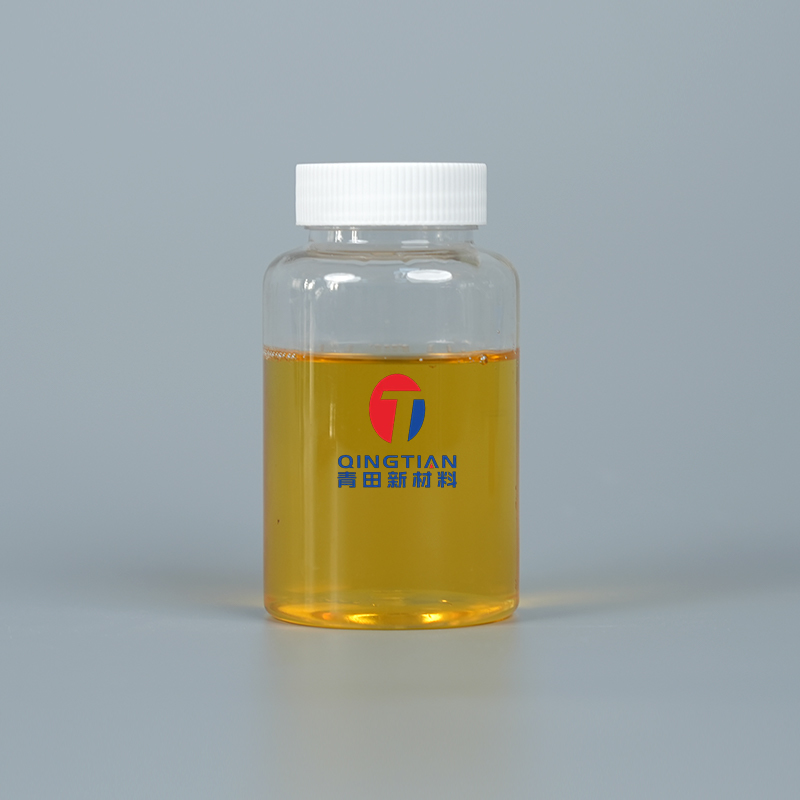
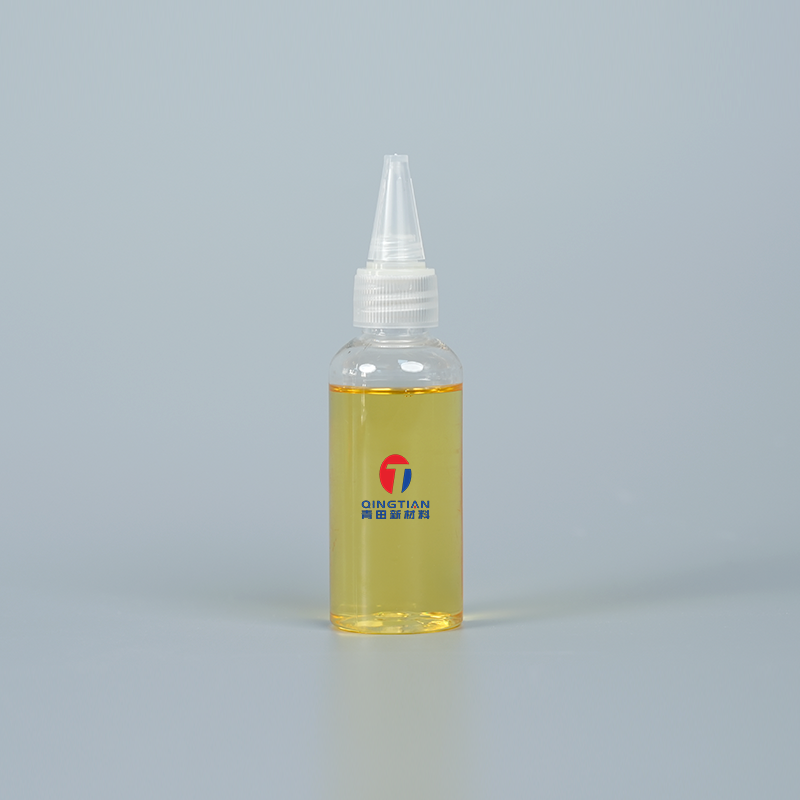
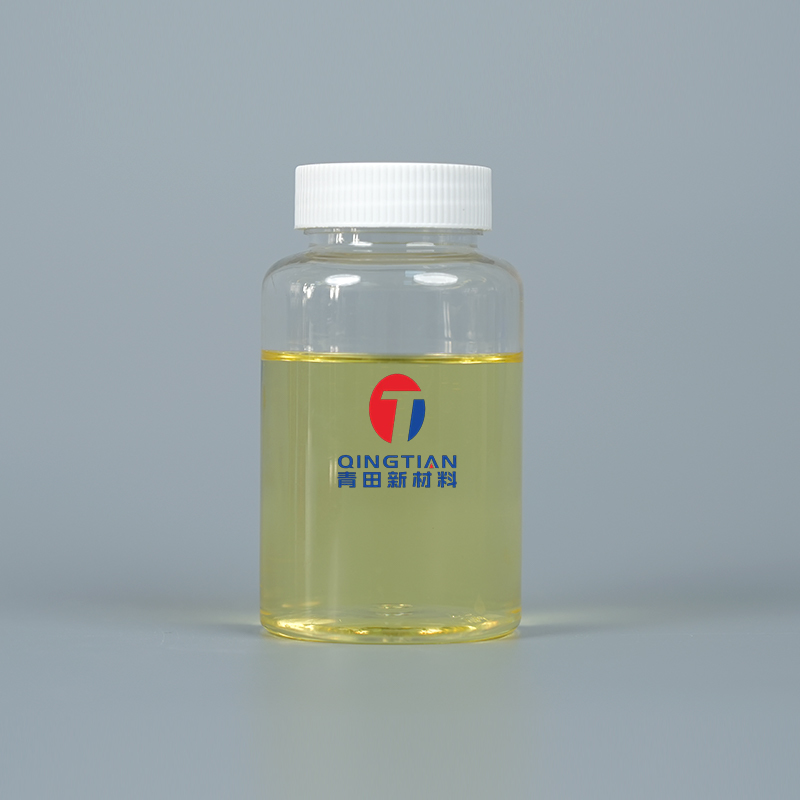
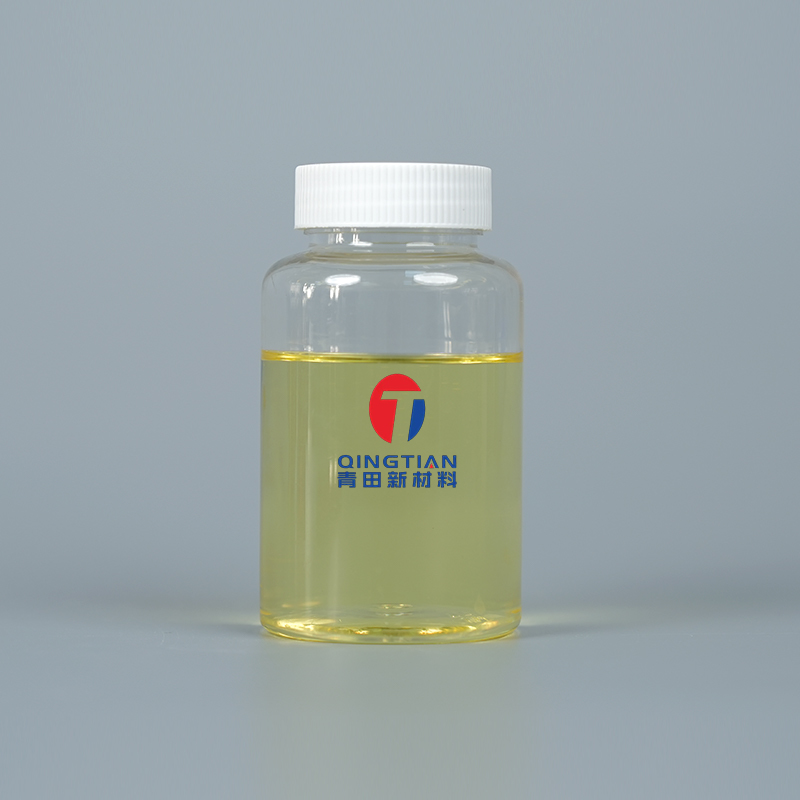
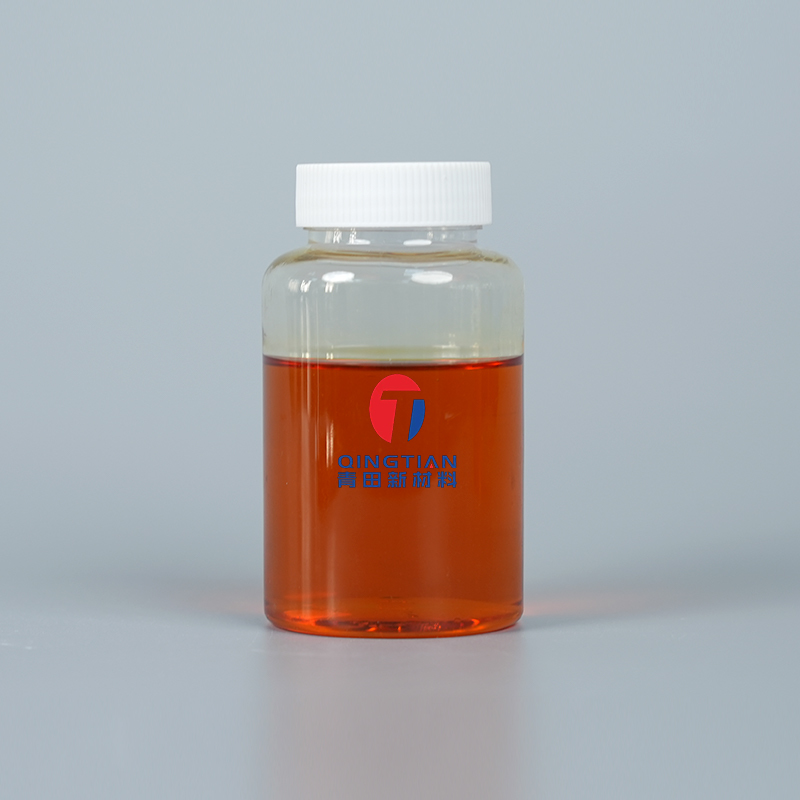
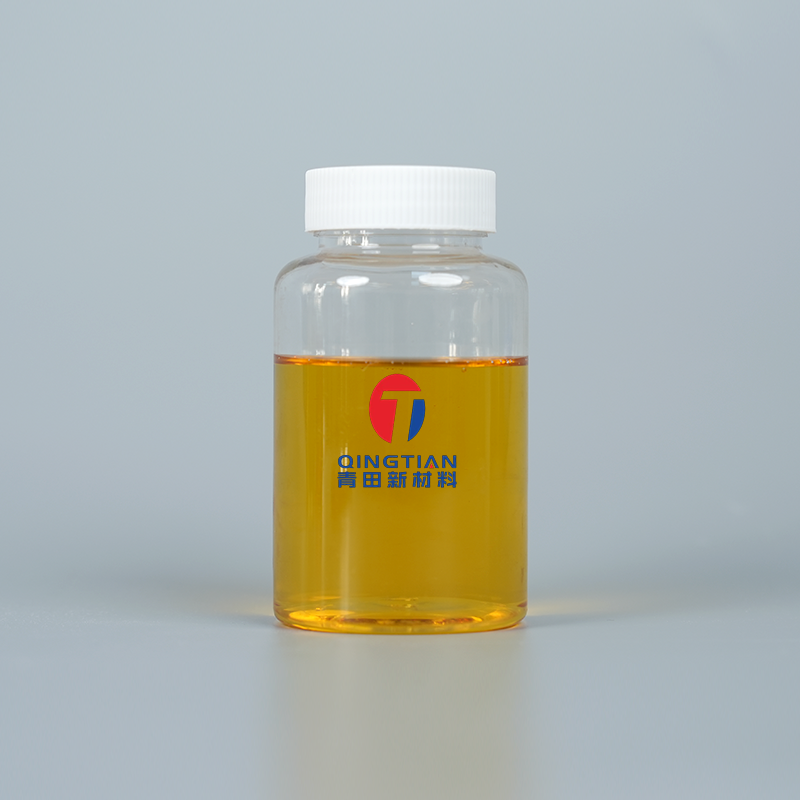
Introduction: Understanding Adhesion Promoters and Surface Bonding What Is an Adhesion Promoter? An adhesion promoter is a chemical or chemical formulation applied to a substrate surface prior to the ...
READ MORE
Product Category
Custom Wetting And Dispersing Additives Manufacturers
Dispersants, commonly used additives in coatings, are widely applied to improve the dispersibility of solid particles such as pigments and fillers, preventing their aggregation or sedimentation in the coating matrix. Pigment and filler particles, due to their strong mutual attraction, easily aggregate in coatings, leading to a decrease in coating uniformity, stability, and final coating quality. Therefore, the use of dispersants is a crucial step.
Dispersants, through the action of their surface-active molecules in the coating, effectively reduce the mutual attraction between particles, maintaining a uniform distribution of particles in the coating matrix, thereby preventing particle aggregation or sedimentation. The principle behind this process lies in the unique molecular structure of dispersants: one part interacts with molecules in the coating matrix, while the other part binds to solid particles, inhibiting particle aggregation through surface activity (such as charge repulsion and steric hindrance), thus effectively maintaining the dispersion stability of the coating.
The use of dispersants can significantly improve the storage stability of pigments/fillers, extend product lifespan, and optimize the rheological and application properties of coatings, ensuring uniform and smooth coating application and reducing undesirable phenomena such as unevenness, bubbling, or clumping during application.
With the deepening of environmental protection concepts, coatings, inks, and adhesives are gradually moving towards water-based applications. Against the backdrop of increasingly stringent global environmental regulations, the demand for water-based dispersants is becoming more and more prominent.ing Agent)
About Us
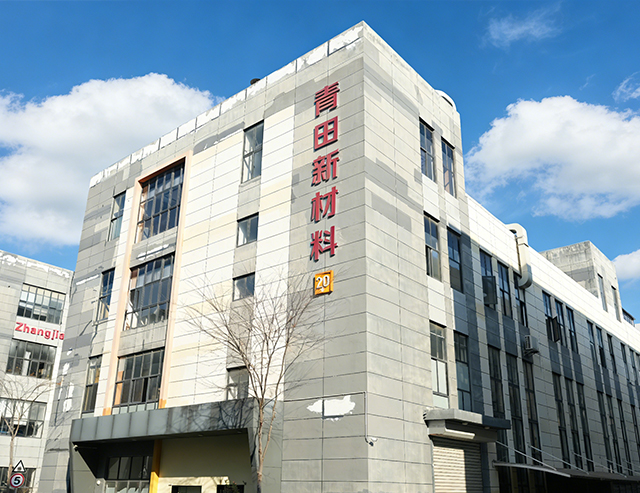
Suzhou Qingtian New Material Co., Ltd.
Suzhou Qingtian New Material Co., Ltd. is professional China Dispersing Agent Manufacturers and Custom Dispersing Agent Factory specializing in raw materials for coatings, inks, and adhesives. Through years of effort, the company has developed a professional R&D team, sales team, and production base, equipped with comprehensive testing equipment and cutting-edge technical R&D personnel, striving tirelessly to serve customers and lead the market.
The company's main products include dispersants, leveling agents, defoamers, adhesion promoters, anti-settling agents, cooling agents, conductive agents, orange peel texture agents, texture powders, and wax powders. The products have a wide sales range, covering steel and aluminum coil coatings, plastic coatings, UV curing, anti-corrosion coatings, wood coatings, glass coatings, epoxy flooring, printing inks, power batteries, photovoltaic panels, and other fields. In response to the national environmental protection concept of "clear waters and blue skies," the company continuously innovates and develops water-based products, contributing to the development of the water-based industry.
Qingtian New Material adheres to the business philosophy of "Professionalism, Integrity, Service, and Win-Win," and has adopted advanced international marketing concepts and market management models to provide high-quality products and services to new and old customers, achieving win-win results with trustworthy partners.
The company's main products include dispersants, leveling agents, defoamers, adhesion promoters, anti-settling agents, cooling agents, conductive agents, orange peel texture agents, texture powders, and wax powders. The products have a wide sales range, covering steel and aluminum coil coatings, plastic coatings, UV curing, anti-corrosion coatings, wood coatings, glass coatings, epoxy flooring, printing inks, power batteries, photovoltaic panels, and other fields. In response to the national environmental protection concept of "clear waters and blue skies," the company continuously innovates and develops water-based products, contributing to the development of the water-based industry.
Qingtian New Material adheres to the business philosophy of "Professionalism, Integrity, Service, and Win-Win," and has adopted advanced international marketing concepts and market management models to provide high-quality products and services to new and old customers, achieving win-win results with trustworthy partners.
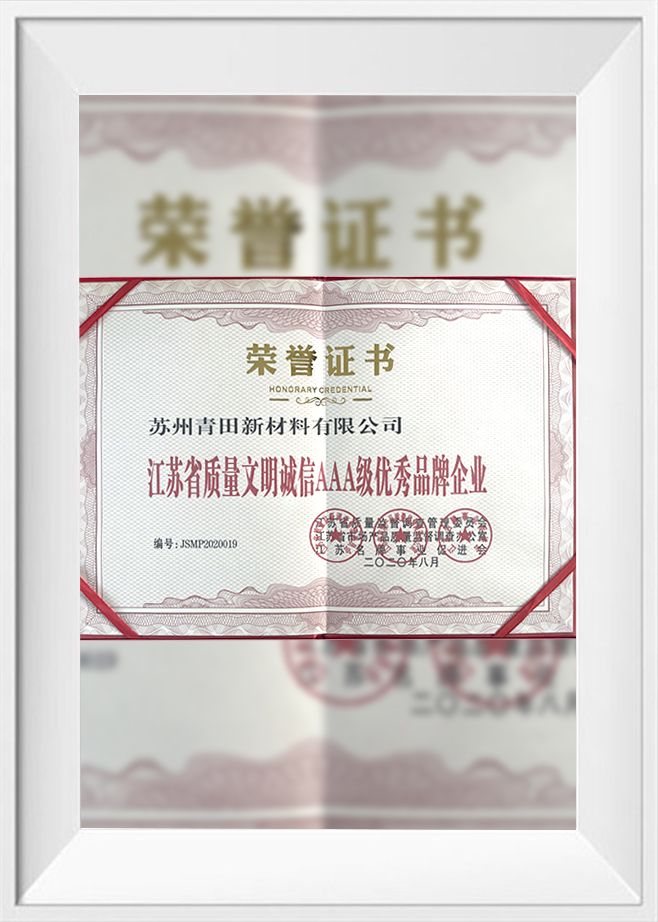
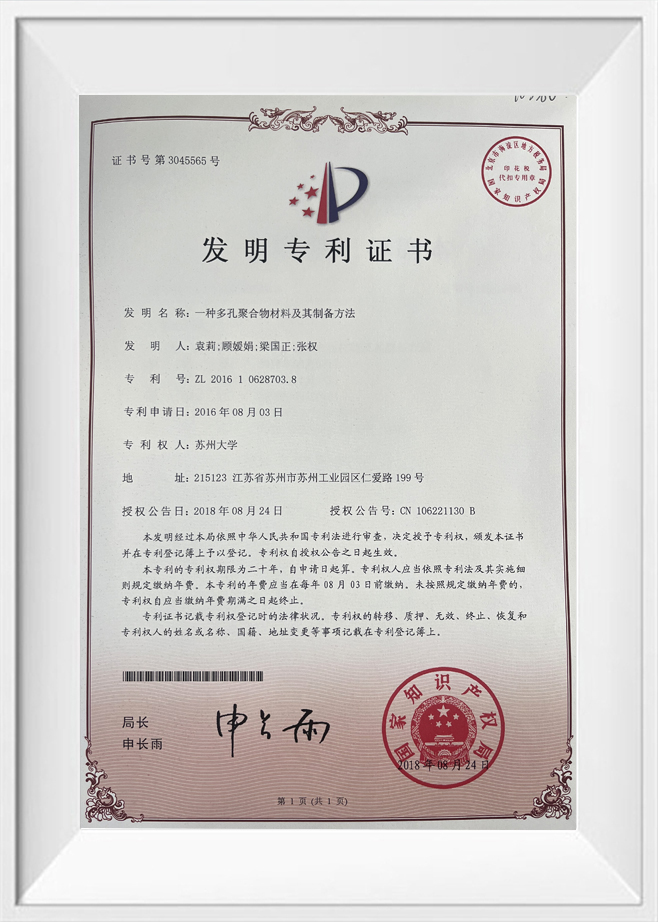
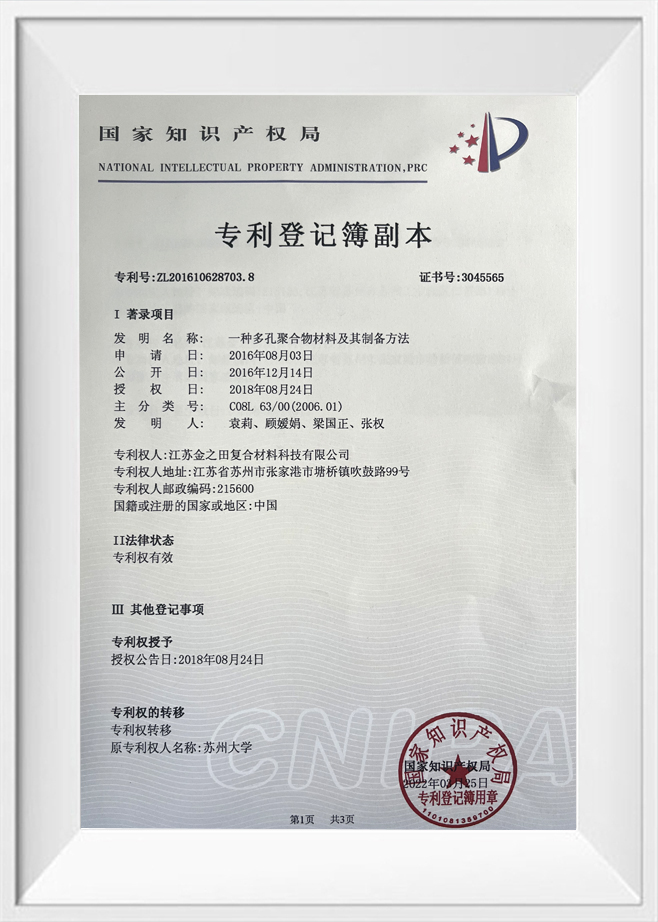
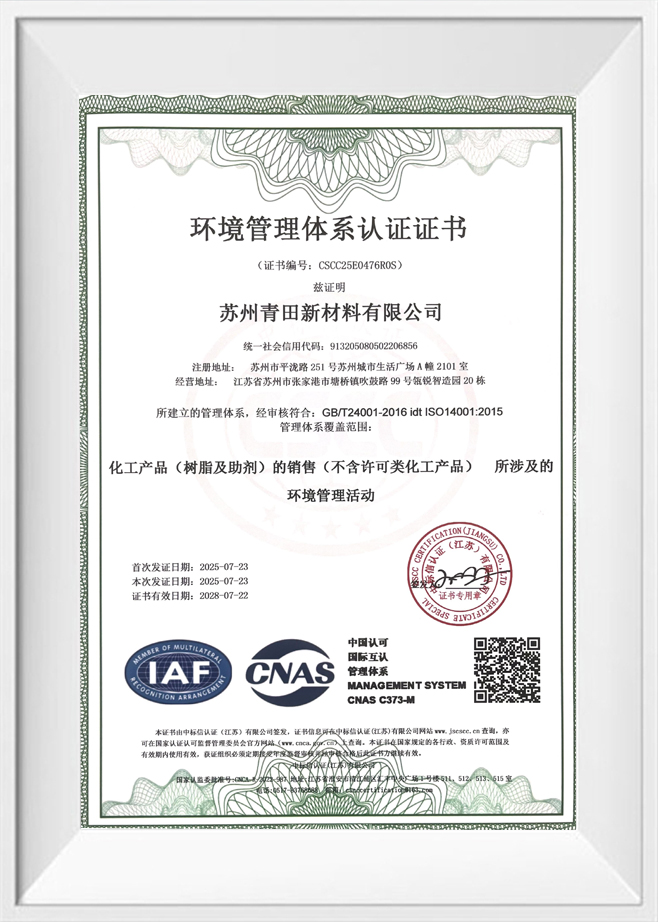
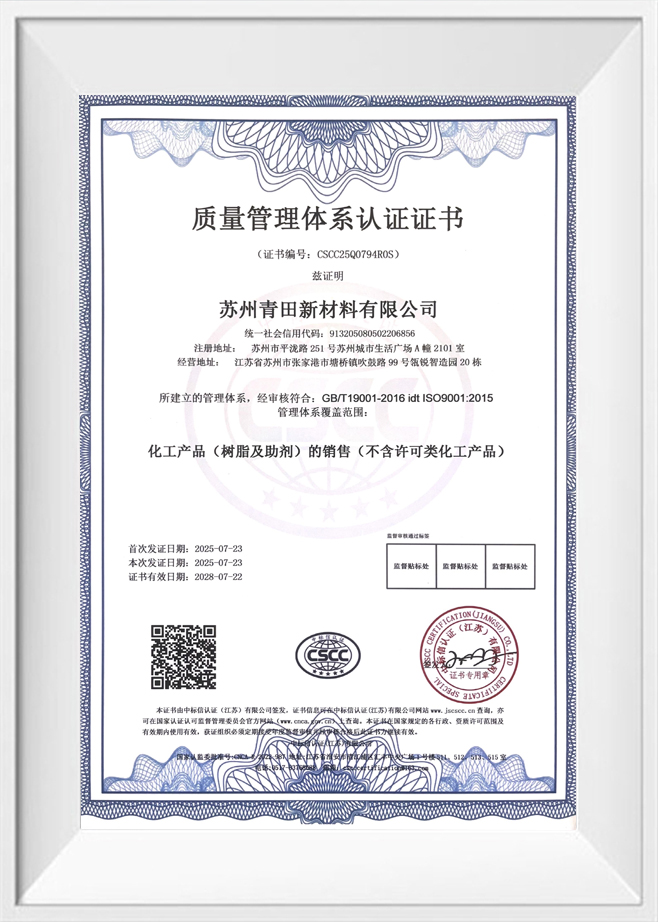
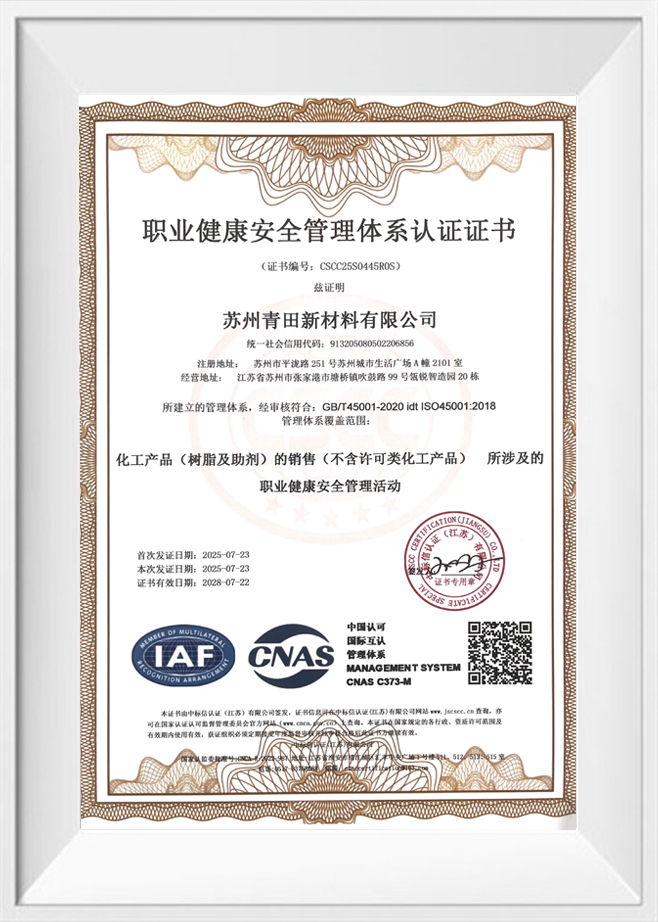
Certificate Of Honor
News
-
-
How Do Dispersing Agents Influence Pigment Wetting and Stabilization? 1. The Thermodynamics of Pigment Wetting and the Role of Dispersing Agents Pigment wetting is the first and most fundamental...
READ MORE -
Understanding Acrylate Leveling Agents: The Backbone of Surface Excellence In the sophisticated world of industrial coatings, achieving a flawless, mirror-like finish is not merely an aesthetic prefer...
READ MORE -
The essence of snow-melting agents is that they are "phase change regulators" that lower the freezing point by altering the phase change mechanism of water. This characteristic, while different in app...
READ MORE -
First Generation: Sodium Chloride – A Classic “Pioneer” Industrial salt is a relatively traditional and economical de-icing agent. Raw materials are readily available, costs are low, and it works well...
READ MORE
Message Feedback
Dispersing Agent Industry knowledge
Does the Dispersing Agent Perform Stably in a Continuous Production Line?
Role of Dispersing Agents in Continuous Manufacturing Systems
In coatings, inks, and adhesive production, dispersing agents play a central role in stabilizing pigments and fillers within liquid systems. In a continuous production line, where raw materials are fed, mixed, milled, and discharged without interruption, the performance stability of the dispersing agent becomes especially important. Unlike batch production, continuous systems demand consistent rheological behavior, predictable adsorption on particle surfaces, and resistance to shear variation. Any instability may result in pigment flocculation, viscosity drift, or uneven color development.
The performance of a dispersing agent in such environments depends not only on its chemical structure but also on its compatibility with resin systems and processing parameters. Evaluating long-term operational behavior under dynamic flow conditions is essential before implementing large-scale continuous manufacturing.
Influence of Shear Forces and Flow Conditions
Continuous production lines often involve high-speed dispersers, bead mills, or inline mixers that generate sustained shear forces. A dispersing agent must maintain adsorption on particle surfaces despite these mechanical stresses. If desorption occurs under high shear, particles may re-agglomerate, leading to inconsistent particle size distribution and reduced product uniformity.
Shear stability testing helps determine whether the dispersing agent can withstand extended processing times without degradation. Molecular architecture, such as polymer chain length and anchoring group density, influences resistance to mechanical stress. Properly designed dispersing agents maintain stable steric or electrostatic repulsion even under prolonged circulation.
| Operational Factor | Impact on Dispersing Agent | Control Approach |
| High Shear Mixing | Potential desorption | Optimize anchoring groups |
| Temperature Variation | Viscosity fluctuation | Thermal stability evaluation |
| Long Production Cycles | Possible degradation | Durability testing |
| Continuous Feed Rate | Consistency requirement | Accurate dosing control |
Thermal Stability in Extended Operation
Continuous production lines may operate for extended hours, sometimes under elevated temperatures caused by mechanical friction. The dispersing agent must retain chemical integrity and functional efficiency throughout these conditions. Thermal sensitivity can lead to changes in viscosity or reduced dispersing capability. Therefore, heat resistance evaluation is a critical aspect of formulation validation.
By conducting controlled temperature simulations, manufacturers can observe changes in rheology and particle stability. Maintaining a consistent particle dispersion state ensures predictable downstream processing and final product performance.
Compatibility with Resin and Pigment Systems
Stable performance in continuous production also depends on compatibility between the dispersing agent and the selected resin matrix. Incompatible systems may cause phase separation or inconsistent adsorption behavior. The polarity balance between dispersing agent, resin, and pigment surface chemistry influences dispersion quality.
At Suzhou Qingtian New Material Co., Ltd., formulation development integrates compatibility screening with systematic laboratory analysis. Advanced testing equipment allows detailed observation of particle size distribution, zeta potential, and sedimentation behavior under simulated production conditions. This integrated approach helps ensure that dispersing agents remain effective across different resin systems.
Dosing Accuracy and Process Control
In continuous production, precise dosing is critical. Even slight fluctuations in dispersing agent concentration can alter dispersion stability. Automated feeding systems must be calibrated carefully to maintain consistent additive levels. A stable dispersing agent formulation should tolerate minor concentration variations without significant performance changes.
Process control systems, combined with online viscosity and particle size monitoring, provide real-time feedback. When the dispersing agent performs reliably, production lines can maintain uniform quality output over extended cycles without frequent adjustments.
Long-Term Storage and Circulation Stability
Continuous systems often involve recirculation tanks and intermediate storage stages. During these phases, the dispersed system must resist sedimentation and flocculation. A well-designed dispersing agent forms a stable protective layer around particles, reducing the likelihood of aggregation during low-flow intervals.
Storage stability tests simulate extended circulation and resting conditions to evaluate whether the dispersion maintains homogeneity. Stable performance reduces downtime and material waste in industrial operations.
Research and Quality Assurance in Industrial Application
Ensuring stable dispersing agent performance in continuous production lines requires coordinated research, formulation optimization, and quality control. With an experienced R&D team and modern production facilities, Suzhou Qingtian New Material Co., Ltd. conducts systematic testing to validate dispersing efficiency under dynamic manufacturing environments. Analytical instruments measure rheological properties, dispersion uniformity, and chemical stability to support reliable performance data.
The integration of research expertise and practical production feedback enables continuous improvement of dispersing agent formulations. Through controlled experimentation and industrial simulation, dispersing agents can be developed to maintain consistent behavior across prolonged operational cycles, supporting stable and efficient continuous manufacturing processes in coatings, inks, and adhesive industries.
FAQ
Q: How does a dispersing agent influence pigment dispersion efficiency in high-solid formulations?
A:In high-solid systems, the concentration of pigments and fillers is relatively high, which increases the likelihood of particle agglomeration. A properly selected dispersing agent improves wetting of pigment surfaces and provides steric or electrostatic stabilization, helping maintain uniform particle distribution. Through laboratory particle size analysis and rheological testing, performance can be evaluated under simulated production conditions.
Q: Can a dispersing agent maintain stability under long-term storage conditions?
A:Storage stability depends on the strength of the adsorption layer formed around pigment particles and the compatibility between the dispersing agent and the resin system. A stable formulation reduces sedimentation and prevents hard settling. Accelerated aging tests and sedimentation studies are commonly conducted to assess long-term performance.
Q: What factors should be considered when selecting a dispersing agent for waterborne systems?
A:For waterborne applications, factors such as pH sensitivity, electrolyte tolerance, and compatibility with water-based binders are critical. The dispersing agent must function effectively in an aqueous environment without causing excessive foaming or viscosity instability. Systematic formulation screening helps identify suitable options for specific coating or ink systems.
Q: How does shear force during grinding affect dispersing agent performance?
A:High shear forces generated during milling or grinding can influence adsorption stability on pigment surfaces. A dispersing agent with appropriate molecular architecture resists desorption under mechanical stress, maintaining consistent particle size distribution. Shear stability testing helps determine whether the dispersing system performs reliably during continuous processing.
Q: Can dispersing agents be customized for specialty pigments such as carbon black or organic pigments?
A:Different pigments have unique surface chemistries and surface areas. Carbon black, for example, requires dispersing agents with strong anchoring groups due to its high surface activity. Tailored formulations can improve wetting efficiency and color development. With experienced R&D personnel and advanced testing equipment, customized dispersing solutions can be developed for various pigment types.
Q: What impact does dispersing agent dosage have on final coating properties?
A:Insufficient dosage may lead to incomplete dispersion and flocculation, while excessive amounts can affect viscosity, drying behavior, or film strength. Determining the optimal dosage requires systematic testing, including viscosity measurement and particle size evaluation, to balance dispersion efficiency and overall coating performance.
Q: How does compatibility between dispersing agent and resin system affect performance?
A:Compatibility influences stability, gloss, and long-term durability of the final product. An incompatible dispersing agent may cause phase separation or surface defects. Careful screening and formulation adjustment ensure harmonious interaction between dispersing agents and different resin matrices used in coatings, inks, and adhesives.
-
-
Phone
+86-189 1262 7527 +86-512 5817 8338 -
E-mail
inquiry@jsjinzhitian.com claire@jsjinzhitian.com -
Address
No. 99, Chuigu Road, Tangqiao High-tech Zone, Zhangjiagang City, Suzhou, Jiangsu Province, China
-
Copyright © Suzhou Qingtian New Material Co., Ltd. All Rights Reserved.
 Custom Dispersing Agent Manufacturers
Custom Dispersing Agent Manufacturers