


 русский
 Español
 Français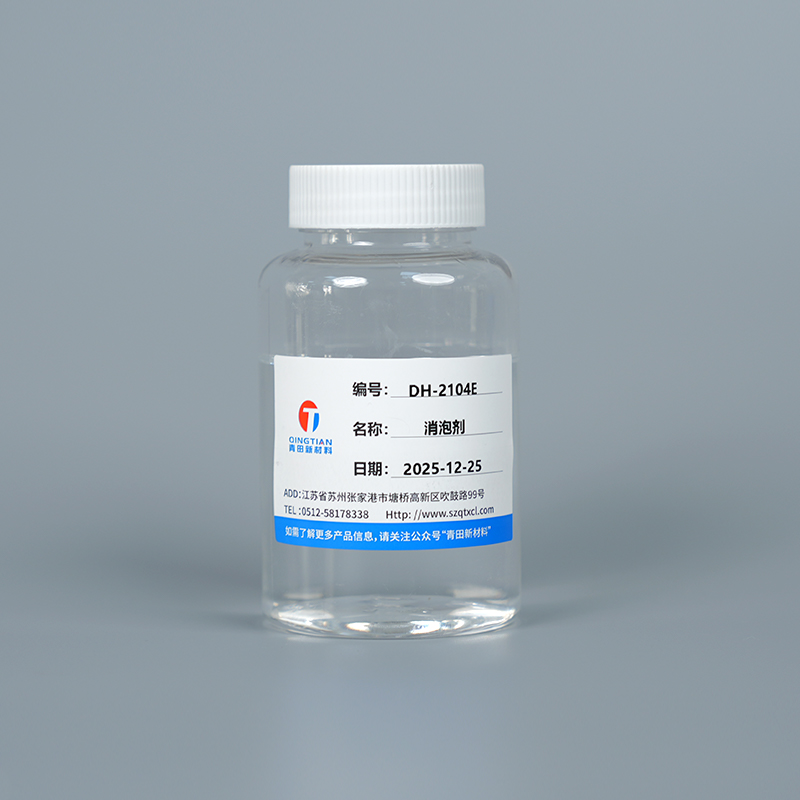
Introduction: Understanding Adhesion Promoters and Surface Bonding What Is an Adhesion Promoter? An adhesion promoter is a chemical or chemical formulation applied to a substrate surface prior to the ...
READ MORE
Product Category
Wholesale Silicone Defoamers Manufacturers
Silicone defoamers are highly efficient defoaming agents, exhibiting excellent defoaming performance in high-viscosity or high-foaming systems. Their working principle involves reducing the surface tension of the foam, causing the bubbles to rapidly burst and release gas, thereby eliminating foam. This process effectively prevents foam from forming defects in the coating, ensuring the uniformity, smoothness, and appearance quality of the coating.
The high efficiency of silicone defoamers mainly stems from the silicon-oxygen bonds and low surface tension characteristics in their molecular structure. This allows them to quickly penetrate the surface of bubbles in the coating, promoting bubble bursting and accelerating foam dissipation. In high-viscosity coatings or coatings with a high amount of bubble formation, silicone defoamers can quickly suppress foam, ensuring the smoothness and gloss of the coating and preventing defects caused by residual bubbles, such as pinholes and craters.
Excessive use of silicone defoamers may have some negative effects. It may affect the gloss and transparency of the coating, leading to uneven gloss on the coating surface, which is particularly noticeable in high-gloss coatings. Excessive use of silicone defoamer may leave silicone residue in the coating. This residue can interfere with the adhesion of subsequent coatings or affect the surface properties of the coating, leading to reduced adhesion between layers when recoating is required. Therefore, the amount added should be strictly controlled to ensure defoaming effectiveness while avoiding the aforementioned problems.
About Us
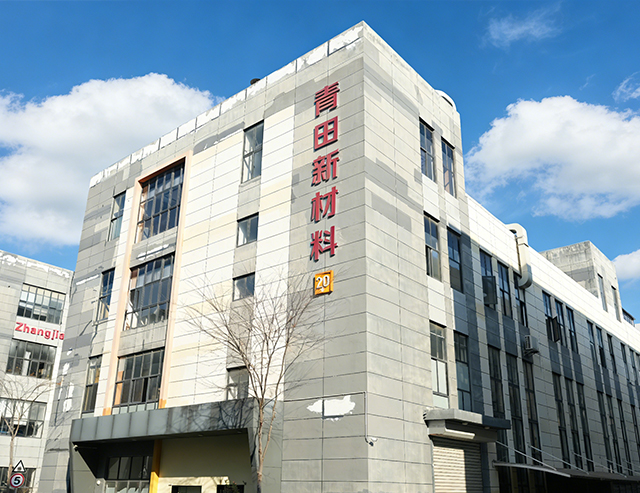
Suzhou Qingtian New Material Co., Ltd.
Suzhou Qingtian New Material Co., Ltd. is professional China Silicone Defoamers Manufacturers and Wholesale Silicone Defoamers Suppliers specializing in raw materials for coatings, inks, and adhesives. Through years of effort, the company has developed a professional R&D team, sales team, and production base, equipped with comprehensive testing equipment and cutting-edge technical R&D personnel, striving tirelessly to serve customers and lead the market.
The company's main products include dispersants, leveling agents, defoamers, adhesion promoters, anti-settling agents, cooling agents, conductive agents, orange peel texture agents, texture powders, and wax powders. The products have a wide sales range, covering steel and aluminum coil coatings, plastic coatings, UV curing, anti-corrosion coatings, wood coatings, glass coatings, epoxy flooring, printing inks, power batteries, photovoltaic panels, and other fields. In response to the national environmental protection concept of "clear waters and blue skies," the company continuously innovates and develops water-based products, contributing to the development of the water-based industry.
Qingtian New Material adheres to the business philosophy of "Professionalism, Integrity, Service, and Win-Win," and has adopted advanced international marketing concepts and market management models to provide high-quality products and services to new and old customers, achieving win-win results with trustworthy partners.
The company's main products include dispersants, leveling agents, defoamers, adhesion promoters, anti-settling agents, cooling agents, conductive agents, orange peel texture agents, texture powders, and wax powders. The products have a wide sales range, covering steel and aluminum coil coatings, plastic coatings, UV curing, anti-corrosion coatings, wood coatings, glass coatings, epoxy flooring, printing inks, power batteries, photovoltaic panels, and other fields. In response to the national environmental protection concept of "clear waters and blue skies," the company continuously innovates and develops water-based products, contributing to the development of the water-based industry.
Qingtian New Material adheres to the business philosophy of "Professionalism, Integrity, Service, and Win-Win," and has adopted advanced international marketing concepts and market management models to provide high-quality products and services to new and old customers, achieving win-win results with trustworthy partners.
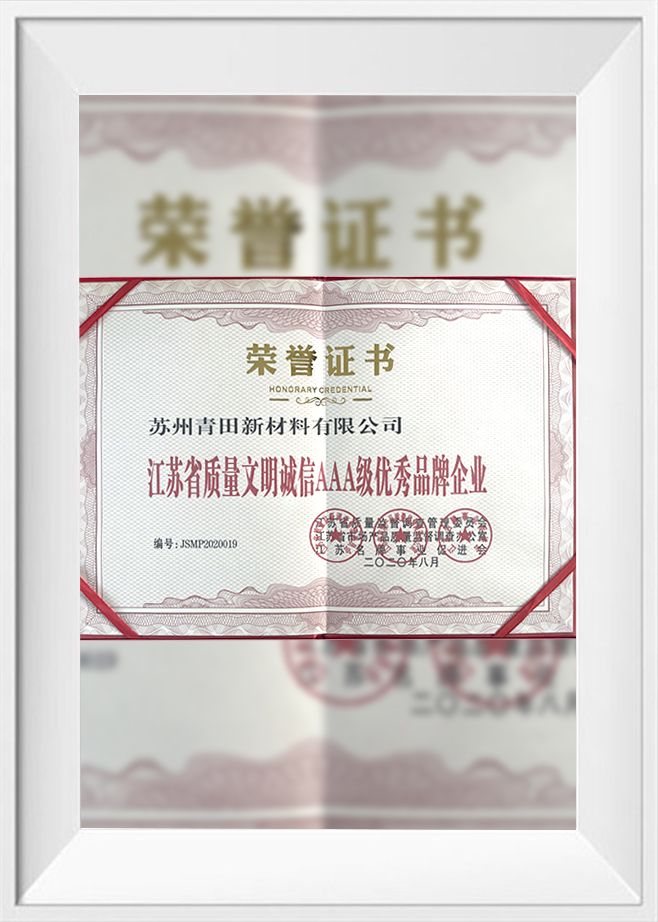
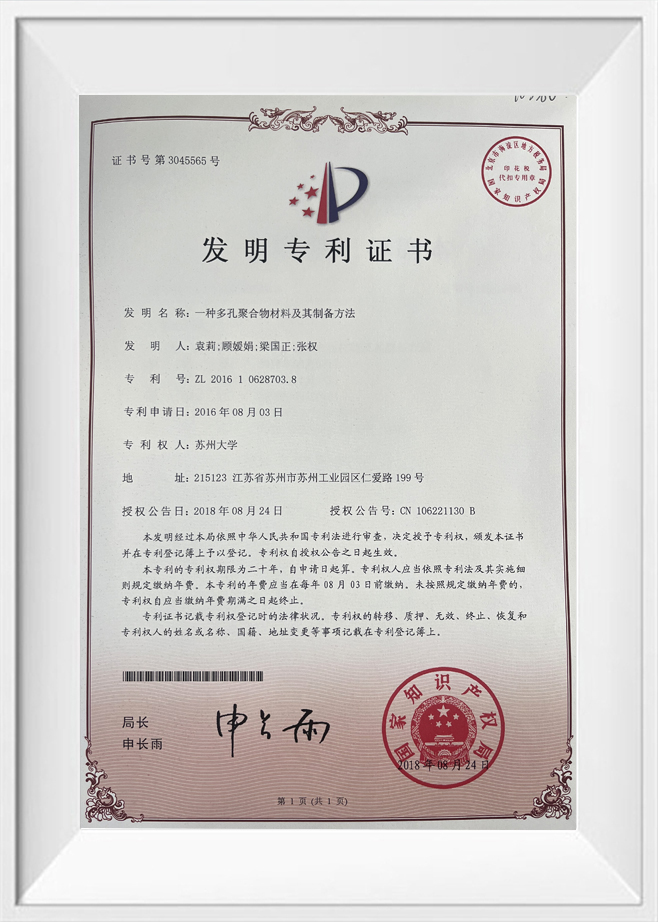
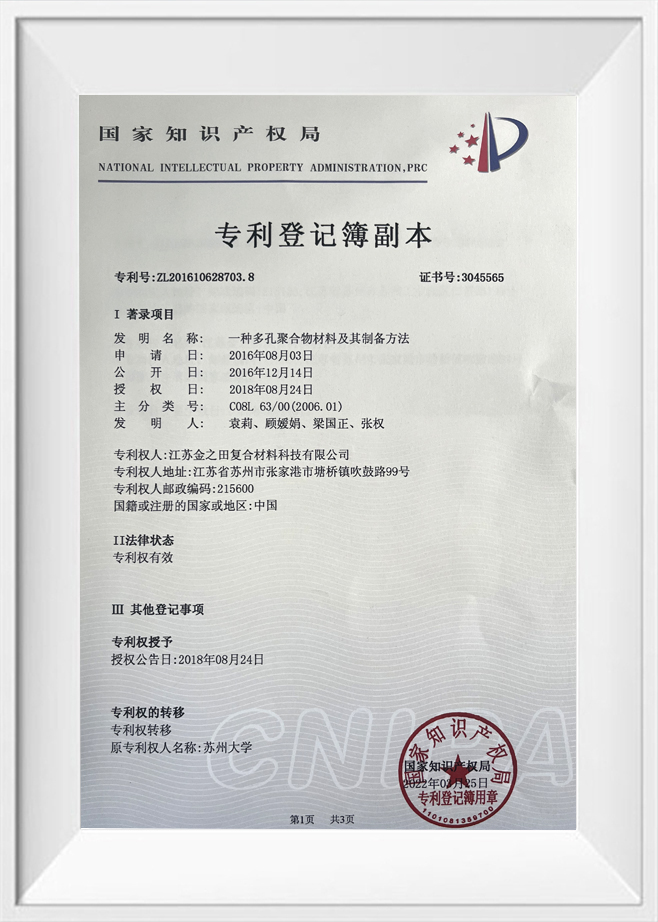
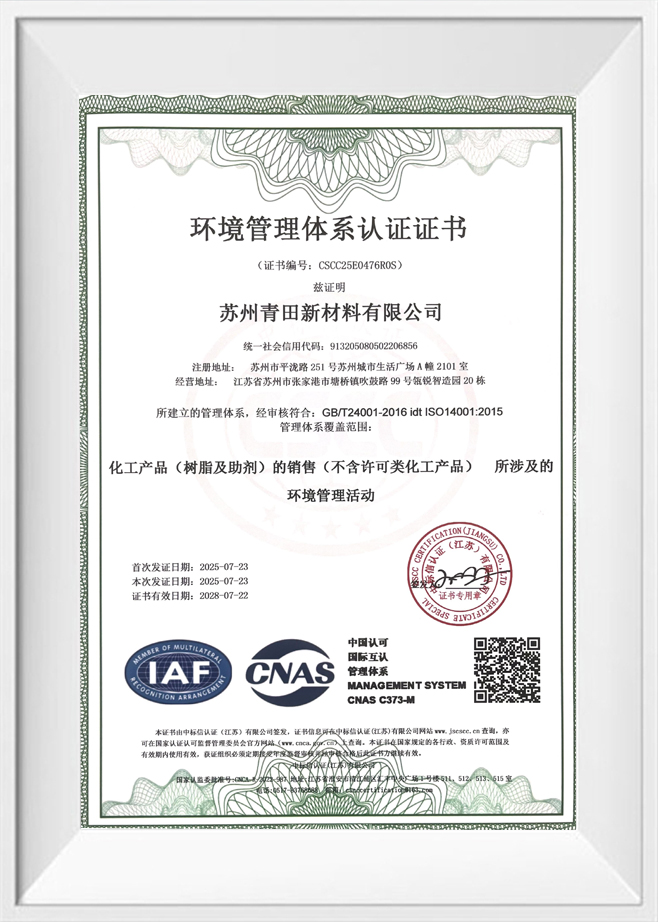
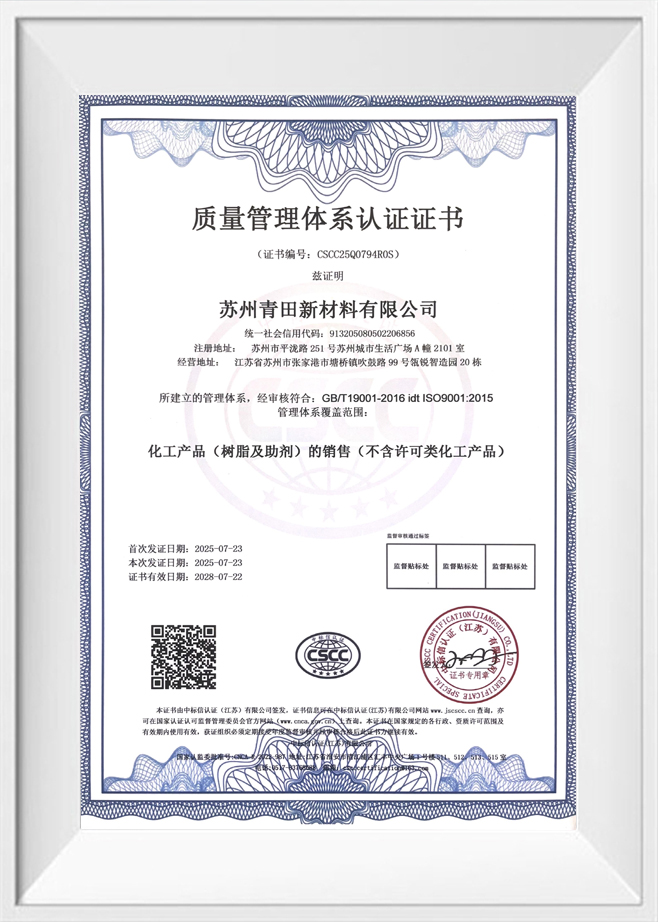
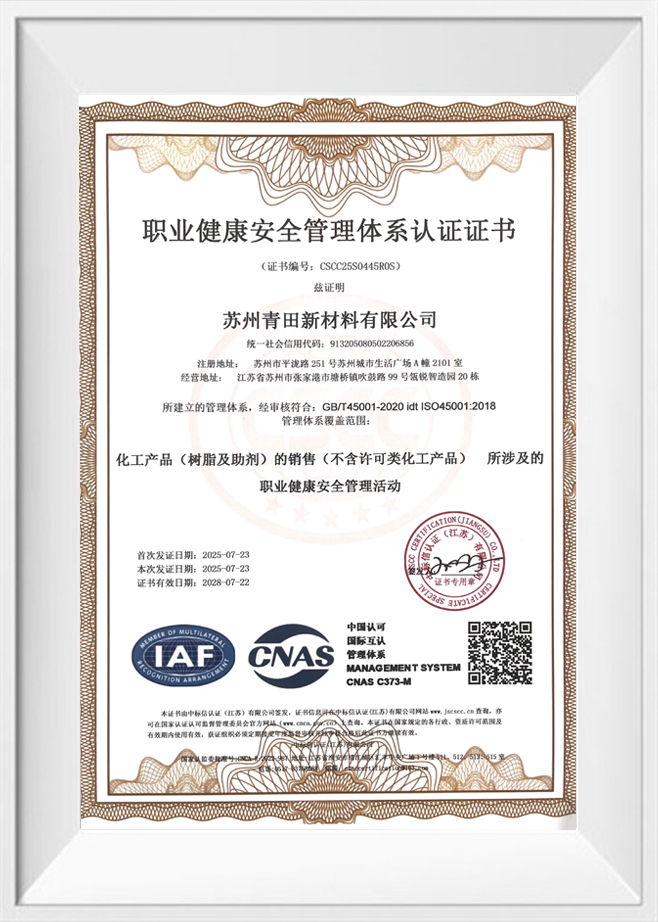
Certificate Of Honor
News
-
-
How Do Dispersing Agents Influence Pigment Wetting and Stabilization? 1. The Thermodynamics of Pigment Wetting and the Role of Dispersing Agents Pigment wetting is the first and most fundamental...
READ MORE -
Understanding Acrylate Leveling Agents: The Backbone of Surface Excellence In the sophisticated world of industrial coatings, achieving a flawless, mirror-like finish is not merely an aesthetic prefer...
READ MORE -
The essence of snow-melting agents is that they are "phase change regulators" that lower the freezing point by altering the phase change mechanism of water. This characteristic, while different in app...
READ MORE -
First Generation: Sodium Chloride – A Classic “Pioneer” Industrial salt is a relatively traditional and economical de-icing agent. Raw materials are readily available, costs are low, and it works well...
READ MORE
Message Feedback
Silicone Defoamers Industry knowledge
Why are Silicone Defoamers Hailed as the “Universal Foam Fighters” of Industry?
The chemical foundation of silicone defoamers is Polydimethylsiloxane (PDMS). This material dominates the defoaming field due to its unique physicochemical properties. First and foremost, its surface tension is extremely low, typically around 21 mN/m, which is significantly lower than the surface tension of most foaming liquids. This tension differential provides the driving force for silicone molecules to spread rapidly across the liquid film of a bubble and displace the original surfactant molecules. The R&D team at Suzhou Qingtian New Material Co., Ltd. has deeply researched the flexibility of the siloxane backbone, and by precisely controlling the modification of side chains, our Silicone Defoamers achieve a dual effect of instant “knock-down” and persistent “antifoaming.”
Furthermore, the chemical inertness of silicone allows it to remain stable in extremely harsh environments. In high-alkaline black liquor treatment in paper mills or strong acidic chemical cleaning processes, ordinary mineral oil additives often oxidize or degrade rapidly. In contrast, the silicone solutions provided by Suzhou Qingtian New Material Co., Ltd. can withstand extreme pH values (pH 1-14) and high temperatures exceeding 150°C. This broad applicability makes our products indispensable process assistants in fields such as textile dyeing, oil drilling, and industrial cleaning. We provide not only basic silicone oil types but also highly stable emulsion-type products for waterborne systems, ensuring high activity even at various dilution ratios.
The table below shows a comprehensive performance comparison between Suzhou Qingtian New Material Co., Ltd. silicone defoamers and common materials on the market:
| Performance Dimension | Traditional Mineral Oil | Aliphatic Alcohols | Qingtian Silicone Defoamers | Technical Advantage Analysis |
|---|---|---|---|---|
| Surface Tension (mN/m) | 30-35 | 28-32 | 19-22 | Rapid spreading to instantly pierce the bubble film |
| Spreading Coefficient | Low | Medium | Extremely High | Larger defoaming area per unit mass |
| Active Concentration | 30%-60% | 20%-40% | Up to 100% (Actives) | Effective at extremely low dosages (ppm level) |
| Chemical Resistance | Prone to oxidation | Sensitive to pH | Extremely Stable | Adapts to strong acids, bases, and high temperatures |
| Antifoam Persistence | Fast decay | Medium | Excellent Persistence | Reduces frequency of secondary additions |
By choosing our silicone solutions, enterprises can significantly reduce the total consumption of additives while improving the quality stability of the final product.
How to Balance High-Efficiency Defoaming with System Compatibility?
While Silicone Defoamers are incredibly powerful, their “low surface tension” is a double-edged sword in high-performance coatings, inks, or precision electroplating industries. If the compatibility between the defoamer and the resin system is poorly controlled, surface defects such as craters, hazing, or peeling can easily occur. This is where the technical strength of a leading supplier is tested. The core competitiveness of Suzhou Qingtian New Material Co., Ltd. lies in our precise mastery of “Compatibility Control.” We modify the siloxane with polyether segments (polyether-modified polysiloxane) to create a balanced molecule that possesses the high-efficiency defoaming of silicone and the good hydrophilic compatibility of polyether.
In practical applications, Suzhou Qingtian New Material Co., Ltd. emphasizes “Precision Matching.” For industries with stringent surface requirements, such as electronic-grade waterborne paints, we implement nanoscale control over the particle size distribution of the defoamer. A narrow particle size distribution ensures that defoaming droplets are uniformly dispersed, effectively piercing micro-bubbles without forming visible oil spots due to molecular agglomeration. Our laboratories are equipped with advanced circulation loop testers and microscopic analysis systems to simulate the high-shear environments of our customers’ sites. This rigorous screening ensures that every batch of Silicone Defoamers achieves a perfect balance between defoaming efficiency and surface quality.
To quantify this balanced performance, here are our compatibility and performance test results in a standard industrial coating system:
| Test Item | Standard Silicone Emulsion | Strong Silicone Oil | Qingtian Modified Silicone Defoamers | Customer Benefit |
|---|---|---|---|---|
| Defoaming Speed (s) | 12 | 3 | 5 | Balances production rhythm and film quality |
| Film Gloss (60°) | 82 | 65 (Hazing) | 91 | Maintains premium product texture |
| Crater Test (Grid Area) | Trace dot craters | Severe “volcano” pits | Completely smooth/No defects | Reduces product scrap rates |
| 50°C Storage Stability | Precipitation at top | Severe stratification | Uniform and stable | Extends shelf life of finished products |
| Recoat Adhesion | Grade 3B | Grade 1B | Grade 0B (No peeling) | Ensures safety of multi-layer coating |
Through our customized technical services, customers no longer need to make the difficult choice between “eliminating foam” and “surface aesthetics.”
How Do Silicone Defoamers Create Economic Value in High-Standard Industrial Processes?
In today’s lean manufacturing environment, every milliliter of additive must translate into visible economic benefits. Silicone Defoamers from Suzhou Qingtian New Material Co., Ltd. are more than just chemical additives; they are strategic tools for optimizing production costs. In the wastewater treatment industry, foam surges can lead to reduced effective capacity in biochemical tanks, sludge loss, and even environmental fines. By using our high-concentration silicone emulsions, customers can control large areas of foam with minimal input, directly reducing costs related to logistics, warehousing, and labor-intensive dosing.
In water-intensive industries like pulp and paper or textile dyeing, foam hinders fiber wetting and chemical penetration, causing white spots or uneven dyeing. Implementing a Suzhou Qingtian New Material Co., Ltd. silicone solution can significantly increase equipment operating speeds and material throughput. For example, on high-speed coating lines, our defoamers inhibit micro-bubble generation during coating circulation, allowing for a 15%-20% increase in production line speed. The value created by this capacity increase far outweighs the procurement cost of the additives.
The table below summarizes the economic value assessment of Suzhou Qingtian New Material Co., Ltd. solutions across various industrial scenarios:
| Industry Field | Loss Caused by Foam | Qingtian Solution | Economic Benefit Assessment |
|---|---|---|---|
| Wastewater Treatment | Overflow/High treatment cost | Electronic-grade Silicone Emulsion | ~25% savings in comprehensive costs |
| Fine Chemicals | Low reactor utilization (only 70%) | Oil-based Modified Silicone Defoamers | Increase capacity to over 95% |
| Food Fermentation | Contamination/Cleaning downtime | Compliant Food-grade Polyether-Silicone | Increased batch yield; reduced downtime |
| Oil & Gas | Pressure transmission/Safety risk | High-temp resistant defoamers | Improved drilling safety and speed |
| Metal Processing | Cooling issues/Tool wear | Easy-rinse Silicone Emulsion | Extended fluid life; reduced tool changes |
As a technology-driven enterprise, Suzhou Qingtian New Material Co., Ltd. provides more than just off-the-shelf chemicals. We possess a comprehensive technical database and a field service team capable of tailoring the most suitable defoaming strategies for your specific processes, such as vacuum degassing, high-pressure spraying, or continuous overflow systems.
-
-
Phone
+86-189 1262 7527 +86-512 5817 8338 -
E-mail
inquiry@jsjinzhitian.com claire@jsjinzhitian.com -
Address
No. 99, Chuigu Road, Tangqiao High-tech Zone, Zhangjiagang City, Suzhou, Jiangsu Province, China
-
Copyright © Suzhou Qingtian New Material Co., Ltd. All Rights Reserved.
 Wholesale Silicone Defoamers Manufacturers
Wholesale Silicone Defoamers Manufacturers