


 русский
 Español
 Français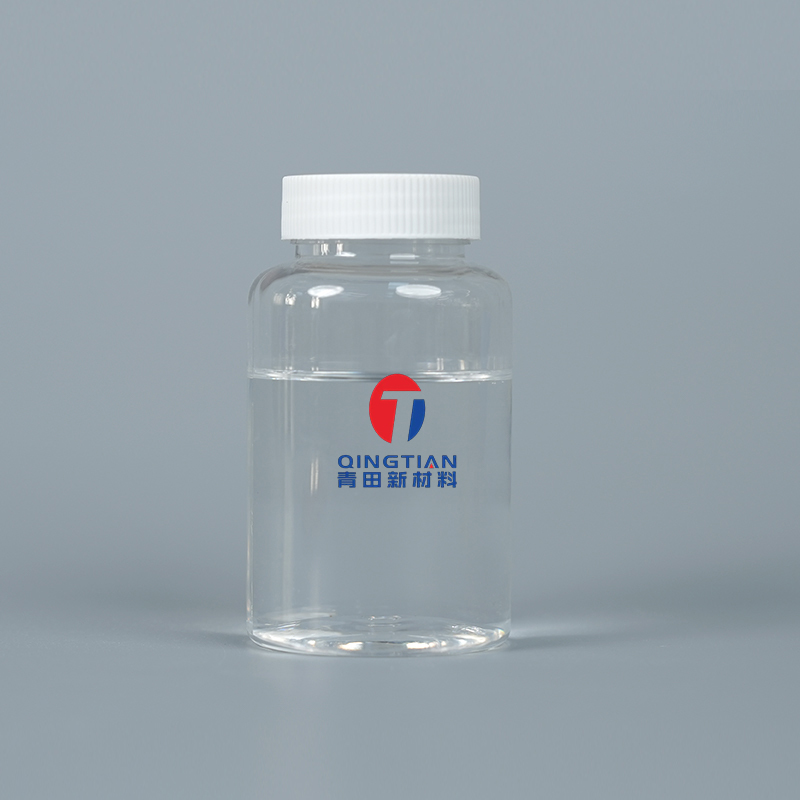
Introduction: Understanding Adhesion Promoters and Surface Bonding What Is an Adhesion Promoter? An adhesion promoter is a chemical or chemical formulation applied to a substrate surface prior to the ...
READ MORE
Product Category
Custom Antifoaming Agent Manufacturers
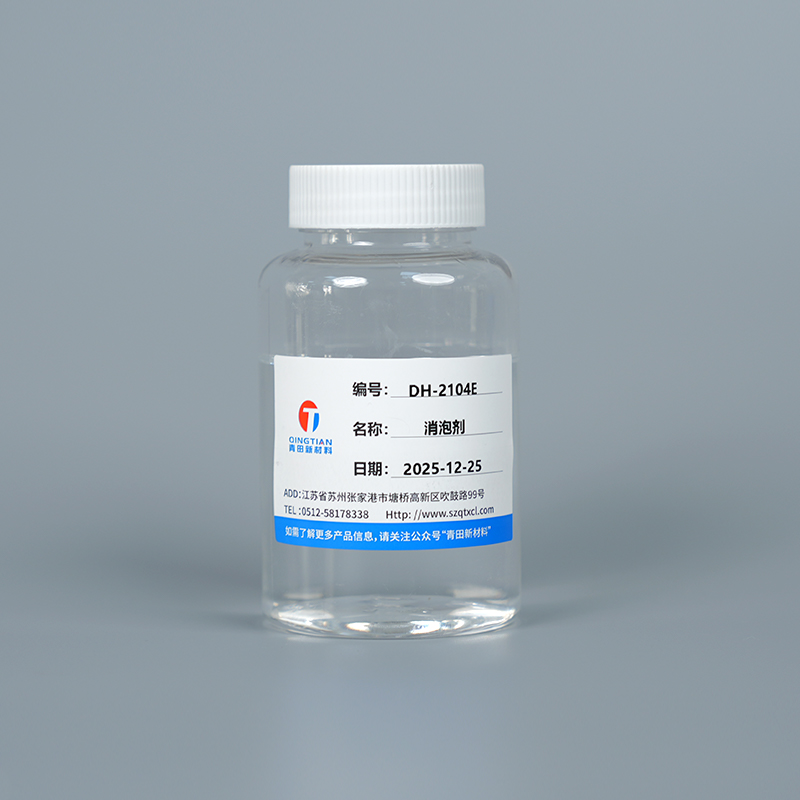
Defoamers are primarily used to eliminate foam generated during production, mixing, stirring, or application. Foam not only affects the flowability and workability of coatings but can also lead to defects such as pinholes and craters on the coating surface, thus impacting the appearance quality and final performance of the coating. Defoamers effectively reduce foam stability, preventing foam from persisting in the coating and ensuring the uniformity and smoothness of the coating.
The working principle of defoamers is mainly to reduce the surface tension of the foam liquid film, altering the interfacial properties of the foam, causing bubbles to burst and rapidly coalesce, thereby eliminating foam. This process inhibits foam formation, accelerates foam dissipation, and prevents bubbles from persisting in the coating for extended periods, thus avoiding unevenness defects on the coating surface. In this way, it helps improve production efficiency, reduce waste and defective products caused by foam during production, and simultaneously ensures the surface quality and workability of the coating.
Defoamers are widely used in water-based coatings, solvent-based coatings, inks and other fields. Especially in high-viscosity systems or production processes that are prone to foaming, the generation of foam is often unavoidable. The addition of defoamers can effectively control the generation and persistence of foam, ensuring that the coating can be applied smoothly and evenly during the coating process, and avoiding defects such as bubbles and holes on the coating surface.
About Us
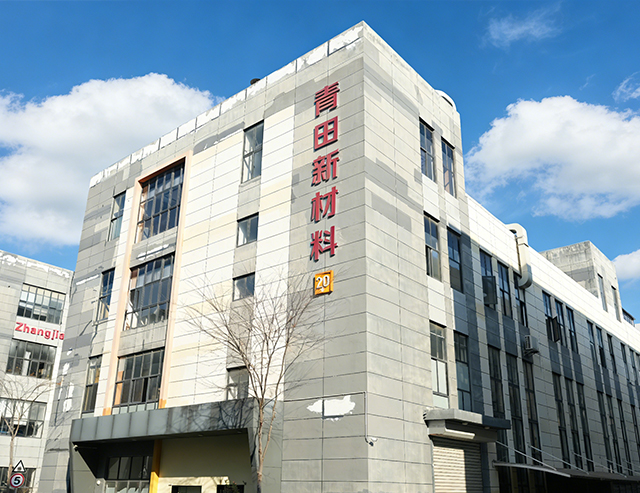
Suzhou Qingtian New Material Co., Ltd.
Suzhou Qingtian New Material Co., Ltd. is professional China Industrial Defoamer Manufacturers and Custom Antifoaming Agent Suppliers specializing in raw materials for coatings, inks, and adhesives. Through years of effort, the company has developed a professional R&D team, sales team, and production base, equipped with comprehensive testing equipment and cutting-edge technical R&D personnel, striving tirelessly to serve customers and lead the market.
The company's main products include dispersants, leveling agents, defoamers, adhesion promoters, anti-settling agents, cooling agents, conductive agents, orange peel texture agents, texture powders, and wax powders. The products have a wide sales range, covering steel and aluminum coil coatings, plastic coatings, UV curing, anti-corrosion coatings, wood coatings, glass coatings, epoxy flooring, printing inks, power batteries, photovoltaic panels, and other fields. In response to the national environmental protection concept of "clear waters and blue skies," the company continuously innovates and develops water-based products, contributing to the development of the water-based industry.
Qingtian New Material adheres to the business philosophy of "Professionalism, Integrity, Service, and Win-Win," and has adopted advanced international marketing concepts and market management models to provide high-quality products and services to new and old customers, achieving win-win results with trustworthy partners.
The company's main products include dispersants, leveling agents, defoamers, adhesion promoters, anti-settling agents, cooling agents, conductive agents, orange peel texture agents, texture powders, and wax powders. The products have a wide sales range, covering steel and aluminum coil coatings, plastic coatings, UV curing, anti-corrosion coatings, wood coatings, glass coatings, epoxy flooring, printing inks, power batteries, photovoltaic panels, and other fields. In response to the national environmental protection concept of "clear waters and blue skies," the company continuously innovates and develops water-based products, contributing to the development of the water-based industry.
Qingtian New Material adheres to the business philosophy of "Professionalism, Integrity, Service, and Win-Win," and has adopted advanced international marketing concepts and market management models to provide high-quality products and services to new and old customers, achieving win-win results with trustworthy partners.
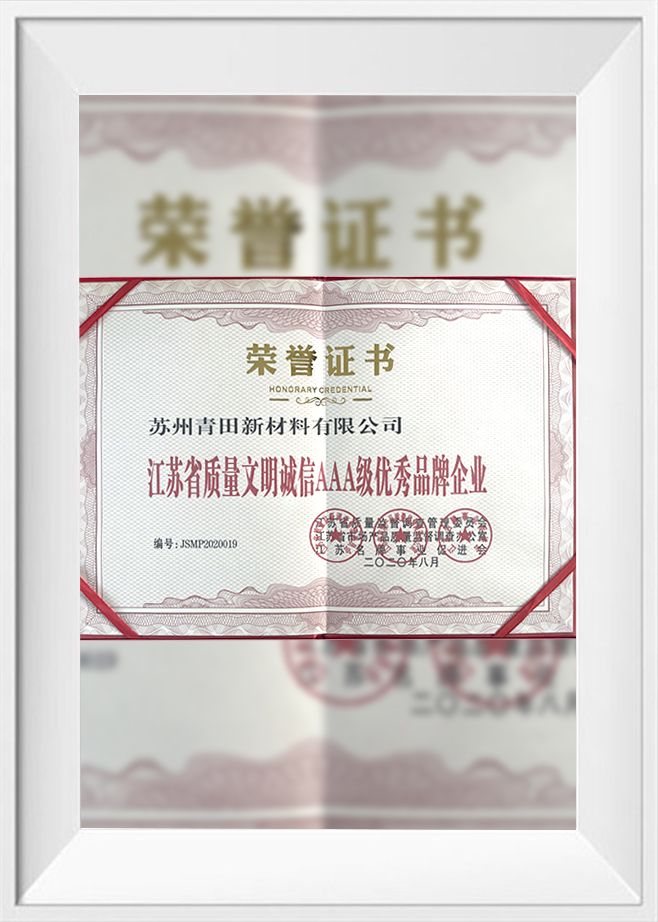
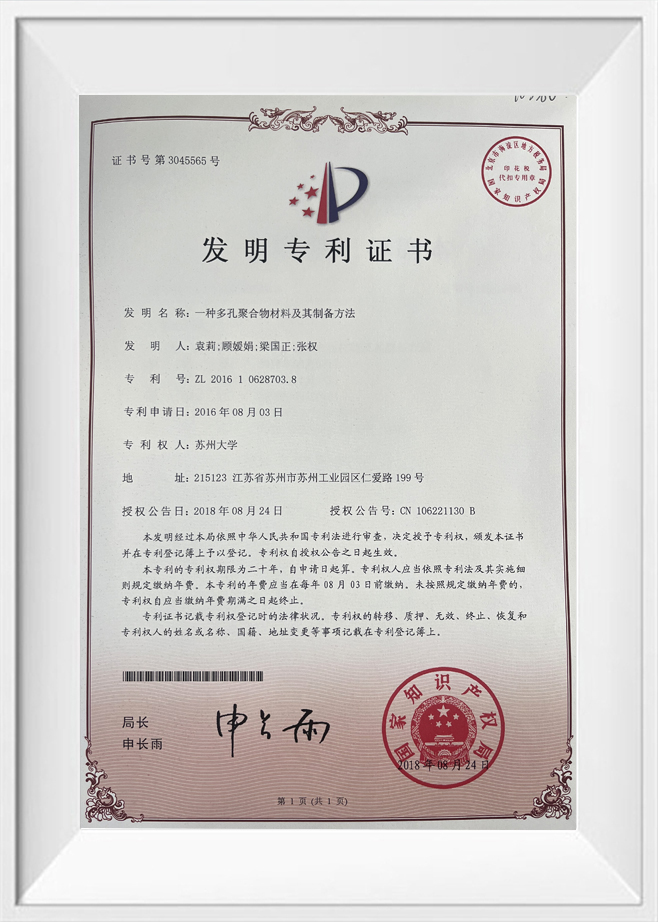
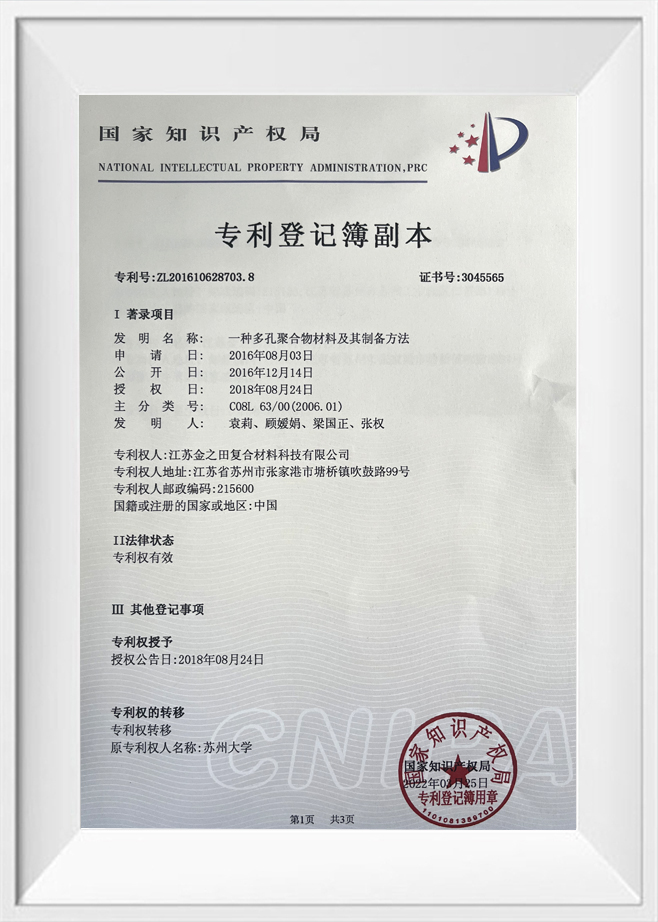
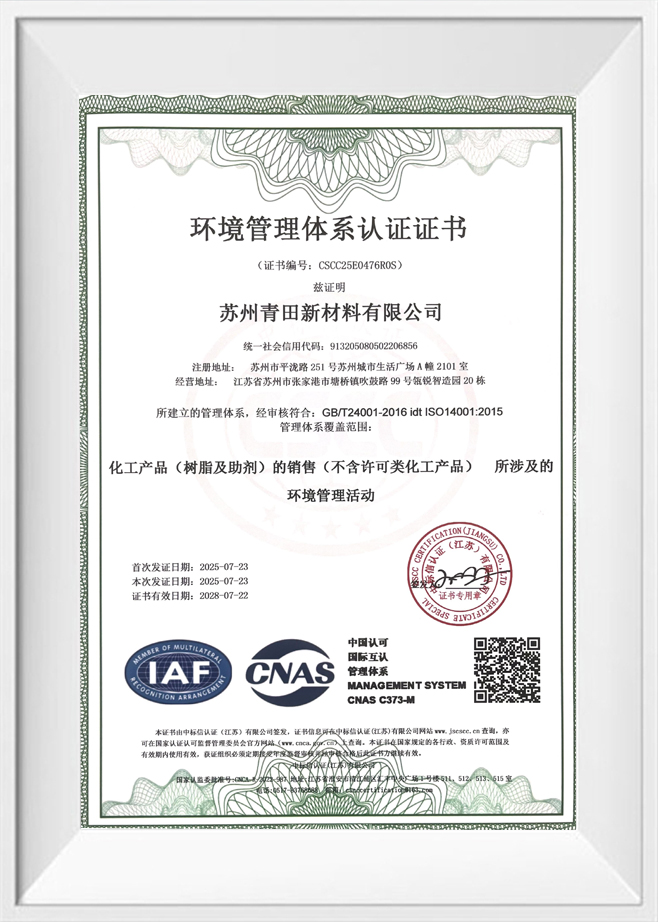
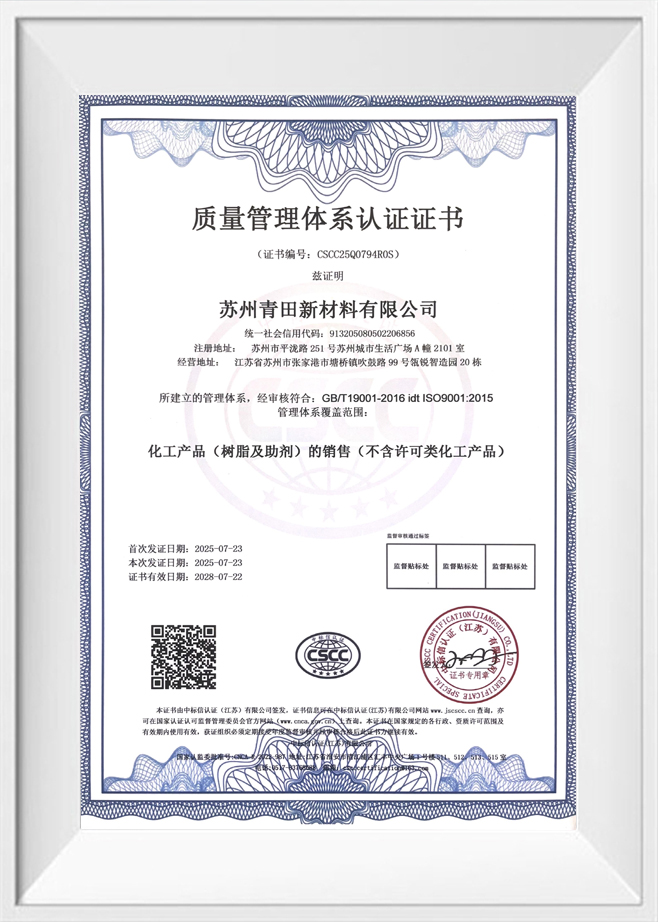
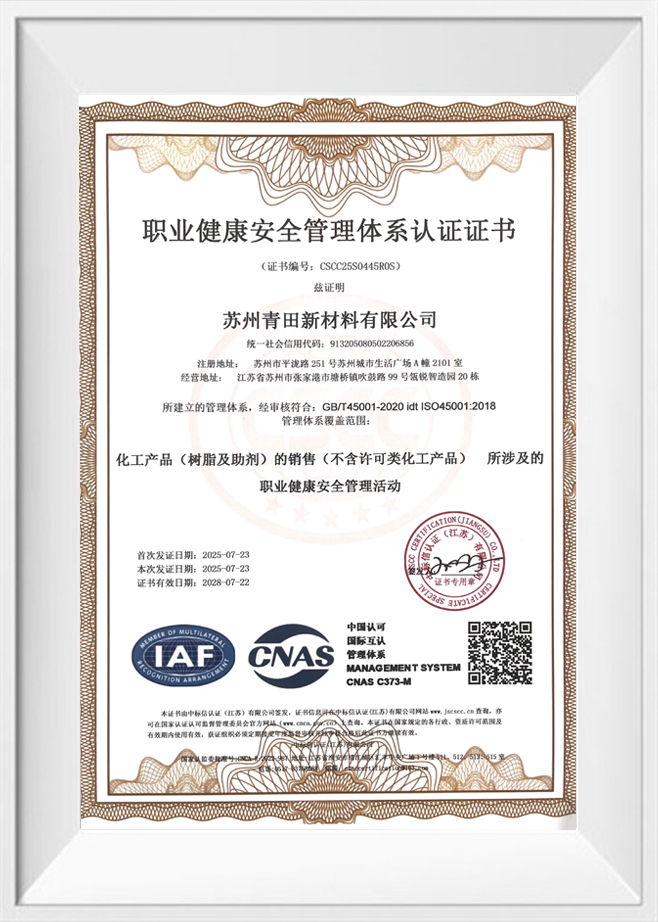
Certificate Of Honor
News
-
-
How Do Dispersing Agents Influence Pigment Wetting and Stabilization? 1. The Thermodynamics of Pigment Wetting and the Role of Dispersing Agents Pigment wetting is the first and most fundamental...
READ MORE -
Understanding Acrylate Leveling Agents: The Backbone of Surface Excellence In the sophisticated world of industrial coatings, achieving a flawless, mirror-like finish is not merely an aesthetic prefer...
READ MORE -
The essence of snow-melting agents is that they are "phase change regulators" that lower the freezing point by altering the phase change mechanism of water. This characteristic, while different in app...
READ MORE -
First Generation: Sodium Chloride – A Classic “Pioneer” Industrial salt is a relatively traditional and economical de-icing agent. Raw materials are readily available, costs are low, and it works well...
READ MORE
Message Feedback
Defoamer Industry knowledge
Why are Industrial Water-based Defoamers Critical for Eliminating Surface Defects and Enhancing Process Efficiency?
To appreciate the value of an Industrial Water-based Defoamer, one must first understand how foam is generated and why it is so detrimental to industrial processes. Foam is essentially a dispersion of gas in a liquid medium, stabilized by surfactants or other surface-active components within the formulation.
The Origin of Industrial Foam
Foam is almost unavoidable in modern production environments. It is generated during several key stages:
Production and Mixing: During the intensive high-shear dispersion of pigments, fillers, and resins, the vortex created by the mixing blade naturally draws significant volumes of air into the liquid matrix. In water-based systems, the presence of stabilizers and emulsifiers significantly lowers the interfacial tension, allowing this air to become "locked" into stable, difficult-to-remove micro-bubbles.
Stirring and Transportation: Even after production, mechanical movement during the filling of drums, pumping through industrial pipelines, or constant agitation in storage tanks can introduce atmospheric air. The turbulence caused by high-pressure pumps often fragments larger air pockets into a fine "micro-foam" that can stay suspended in the coating for long periods.
Application: Whether through high-pressure spraying, roller application, or curtain coating, the act of applying a liquid to a substrate is a high-energy process. As the coating hits the surface or is compressed by a roller, air is frequently trapped between the liquid film and the substrate or within the film itself. Without proper defoaming, these bubbles remain trapped as the film begins to set.
The Consequences of Uncontrolled Foam
If foam is not effectively managed, it leads to a variety of catastrophic failures in the final coating film:
Surface Defects: This is the most prevalent and damaging issue. As a coating cures and solvent or water evaporates, bubbles that were trapped near the surface eventually attempt to escape and burst. If the coating is too viscous or cures too quickly to flow back and "heal" the resulting void, it leaves behind a "pinhole" or a larger "crater." These defects are not merely aesthetic blemishes; they represent physical breaks in the protective barrier of the coating, acting as conduits that allow moisture, salts, and corrosive electrolytes to reach the substrate, leading to rapid localized failure.
Impaired Flowability and Workability: The presence of stable foam effectively increases the volume of the liquid and alters its fundamental rheological properties, often increasing the apparent viscosity. This "aerated" state makes it difficult to achieve a consistent and uniform film thickness during application. In spray systems, it can lead to "holidays" or missed spots, as the air-filled liquid does not wet the surface properly.
Reduced Production Efficiency: Excessive foaming in a mixing tank or reactor forces manufacturers to drastically slow down their equipment speeds or stop production entirely to wait for the foam to subside naturally. This interruption leads to significantly longer cycle times, increased labor costs, and reduced factory throughput. In high-speed automated bottling or packaging lines, uncontrolled foam can cause overflows and inaccurate filling volumes, creating messy work environments and inconsistent product weights.
Waste and Defective Products: Batches that are heavily aerated may fail critical quality control checks for density and viscosity, as the trapped air skews measurements. This results in expensive re-work processes, the need for additional additives to "salvage" the batch, or in the worst cases, the total loss and disposal of a production batch, which incurs both material costs and environmental waste penalties.
The Solution: Effective Foam Suppression
Defoamers are primarily used to eliminate foam generated during production, mixing, stirring, or application. Foam not only affects the flowability and workability of coatings but can also lead to defects such as pinholes and craters on the coating surface, thus impacting the appearance quality and final performance of the coating. Defoamers effectively reduce foam stability, preventing foam from persisting in the coating and ensuring the uniformity and smoothness of the coating.
As a professional China Industrial Defoamer Manufacturer and Custom Antifoaming Agent Supplier, Suzhou Qingtian New Material Co., Ltd. specializes in formulating products that target the specific surfactants responsible for foam stability. By utilizing cutting-edge technical R&D, they ensure that their defoamers provide rapid "knock-down" of existing foam and long-term "antifoaming" persistence throughout the shelf life of the product.
What are the Scientific Principles and Mechanisms that Drive the Defoaming Process?
The elimination of foam is a complex physicochemical process that involves the destabilization of the liquid lamella (the thin film of liquid surrounding a gas bubble).
Reducing Surface Tension and Interfacial Disruption
The working principle of defoamers is mainly to reduce the surface tension of the foam liquid film, altering the interfacial properties of the foam, causing bubbles to burst and rapidly coalesce, thereby eliminating foam. For a defoamer to be effective, it must possess several key characteristics:
Insolubility: To function correctly, a defoamer must be essentially insoluble in the medium it is intended to treat. This limited compatibility allows the agent to exist as discrete, finely dispersed droplets or solid particles. This "controlled incompatibility" is crucial because it enables the defoamer to actively seek out and migrate to the air-liquid interface of the bubbles, rather than simply dissolving into the bulk liquid.
Low Surface Tension: The defoamer must possess a surface tension that is significantly lower than that of the foaming liquid formulation. This disparity is what allows the defoamer to penetrate the lamella of the bubble. When the low-surface-tension droplet comes into contact with the higher-tension bubble wall, it creates a localized tension gradient that pulls the liquid away from the point of contact, severely weakening the bubble's structure.
Spreading Ability: Once the defoamer droplet successfully enters the foam lamella, it must spread rapidly across the interface. This spreading action displaces the existing stabilizing surfactants and replaces them with a layer of defoaming material. Because the defoamer does not provide the same structural strength or "film elasticity" as the original surfactants, the liquid film becomes critically unstable and prone to rupture.
The Process of Bubble Bursting
This process inhibits foam formation, accelerates foam dissipation, and prevents bubbles from persisting in the coating for extended periods, thus avoiding unevenness defects on the coating surface. The mechanism typically follows three distinct stages:
Entering: Driven by its chemical incompatibility and the need to reduce its surface energy, the defoamer droplet migrates through the liquid and "bridges" the air-liquid interface of an existing bubble. This is often referred to as the "bridging-dewetting" mechanism.
Spreading: Upon entering the lamella, the low-surface-tension droplet spreads out rapidly. This expansion creates a thin, fragile region within the bubble wall. Because the defoamer lacks the "Marangoni effect" (the ability of a liquid to heal itself when stretched), the film cannot withstand the internal pressure or external vibrations.
Bursting: The thinning and weakened lamella eventually ruptures under the internal pressure of the entrapped gas. In some cases, the defoamer causes multiple small bubbles to coalesce into a single, much larger bubble. This larger bubble has increased buoyancy, causing it to rise rapidly to the surface where it bursts almost instantly upon contact with the atmosphere.
Specialized Formulations for Water-based Systems
Water-based coatings present a unique challenge because water has a high surface tension, and the surfactants used to stabilize the resin can create incredibly stable foam. Industrial water-based defoamers often utilize:
Mineral Oil-based Defoamers: These are highly cost-effective and versatile solutions frequently utilized in architectural paints and decorative coatings. They typically contain a carrier oil combined with hydrophobic particles (like silica or wax) that act as "seeds" to disrupt bubble formation. They provide excellent long-term persistence in the can but must be carefully balanced to avoid affecting the gloss of the final film.
Silicone-based Defoamers: These are among the most powerful defoaming agents available, utilizing polydimethylsiloxane (PDMS) or modified silicone polyethers. They are highly efficient even at extremely low concentrations (ppm levels), making them ideal for premium high-gloss coatings, industrial wood finishes, and printing inks where rapid foam knockdown is required without leaving oily residues.
Polymeric/Molecular Defoamers: These are innovative, silicone-free options often based on acetylenic diols or other advanced polymers. They function by reducing the surface tension of the system at the molecular level, providing robust foam control while ensuring that inter-coat adhesion is never compromised. These are the preferred choice for applications sensitive to "fish-eyes" or surface craters, such as automotive OEM coatings and high-performance electronic slurries.
Suzhou Qingtian New Material Co., Ltd. leverages its professional R&D team and production base to customize these mechanisms. By adjusting the hydrophilic-lipophilic balance of their defoamers, they can fine-tune the product to be "just incompatible enough" to kill foam without causing the surface defects that often plague lower-quality additives. This precision helps improve production efficiency, reduce waste and defective products caused by foam during production, and simultaneously ensures the surface quality and workability of the coating.
How do Industrial Defoamers Enhance Performance Across Diverse Sectors and Support Environmental Initiatives?
The demand for high-quality foam control spans almost every industrial application involving liquid chemistry.
Wide Industry Application
Defoamers are widely used in water-based coatings, solvent-based coatings, inks, and other fields. Especially in high-viscosity systems or production processes that are prone to foaming, the generation of foam is often unavoidable. The addition of defoamers can effectively control the generation and persistence of foam, ensuring that the coating can be applied smoothly and evenly during the coating process, and avoiding defects such as bubbles and holes on the coating surface.
Architectural and Wood Coatings: In decorative paints and premium wood finishes, defoamers are critical for maintaining aesthetic integrity. They ensure that brush, roller, or curtain marks flow out smoothly and level perfectly without leaving behind micro-bubbles. These microscopic pockets of air can significantly dull the gloss of a finish and create a "cloudy" appearance in clear coats. By ensuring rapid bubble release, defoamers help achieve the professional-grade, high-clarity surfaces expected by contractors and homeowners alike.
Industrial Anti-corrosion: For heavy-duty protection on critical infrastructure like bridges, oil rigs, or ships, the absolute absence of pinholes is a matter of safety and structural longevity. In these high-build systems, even a single burst bubble can leave a microscopic pathway to the steel or aluminum substrate. Defoamers ensure the continuous integrity of the protective barrier, preventing localized corrosion and "rust-bleeding" that could lead to premature failure and costly repairs in harsh marine or industrial environments.
Printing Inks and Packaging: In high-speed flexographic, gravure, or digital printing processes, foam is a constant threat to color consistency. Bubbles in the ink fountain or at the nip can lead to "missing dots," "starved" print areas, or uneven ink density across the web. Specialized defoamers maintain the clarity, vibrancy, and precision of the printed image on various substrates, from porous paper to non-polar plastic films, ensuring that the packaging meets the high visual standards of global consumer brands.
Electronics and Energy: In the precision manufacturing of photovoltaic panels and lithium-ion power batteries, foam control is a high-stakes requirement. During the production of conductive slurries or protective encapsulants, even a single entrapped air bubble can cause a catastrophic defect. In batteries, a bubble can lead to an electrical short-circuit or a "hot-spot," while in solar panels, it can cause delamination or a significant loss of energy conversion efficiency. Advanced defoamers ensure the perfectly uniform, bubble-free deposition required for next-generation energy storage and generation technologies.
Environmental Stewardship: The "Clear Waters and Blue Skies" Initiative
The global shift toward environmental responsibility is at the heart of modern chemical engineering. In response to the national environmental protection concept of "clear waters and blue skies," Suzhou Qingtian New Material Co., Ltd. continuously innovates and develops water-based products.
Traditional solvent-based defoamers can contribute to Volatile Organic Compound emissions. Qingtian’s focus on water-borne defoamer technology helps manufacturers transition to "greener" formulations that are safer for workers and the environment. These water-based products are designed to meet stringent environmental regulations without sacrificing the rapid foam-killing power required by industrial production lines.
The Suzhou Qingtian Advantage
Suzhou Qingtian New Material Co., Ltd. is a professional China Industrial Defoamer Manufacturer and Custom Antifoaming Agent Supplier specializing in raw materials for coatings, inks, and adhesives. Through years of effort, the company has developed a professional R&D team, sales team, and production base.
Their product portfolio is not limited to defoamers; it includes a wide range of synergistic additives:
Dispersants and Leveling Agents: These additives work in tandem with defoamers to ensure that pigments, fillers, and the defoaming droplets themselves are perfectly and evenly distributed throughout the matrix. High-quality leveling agents reduce surface tension gradients during drying, preventing "orange peel" and ensuring a smooth, mirror-like finish that complements the bubble-free surface provided by the defoamer.
Adhesion Promoters and Anti-settling Agents: Maintaining the structural bond and long-term stability of the system is vital. Adhesion promoters ensure the coating sticks firmly to various substrates, while anti-settling agents create a thixotropic network that keeps heavy particles in suspension. These agents must be compatible with the defoamer to ensure that foam control does not interfere with the coating's ability to remain stable in the can or adhere to the surface.
Texture Powders and Wax Powders: For applications requiring specific tactile properties or slip resistance, these powders provide the final aesthetic and functional touch. Whether achieving a "soft-touch" feel, a matte finish, or improved scratch resistance, these powders must be successfully integrated into the liquid without introducing additional air or compromising the defoamer's efficiency.
-
-
Phone
+86-189 1262 7527 +86-512 5817 8338 -
E-mail
inquiry@jsjinzhitian.com claire@jsjinzhitian.com -
Address
No. 99, Chuigu Road, Tangqiao High-tech Zone, Zhangjiagang City, Suzhou, Jiangsu Province, China
-
Copyright © Suzhou Qingtian New Material Co., Ltd. All Rights Reserved.
 Custom Water-based Defoamer Manufacturers
Custom Water-based Defoamer Manufacturers