


 русский
 Español
 Français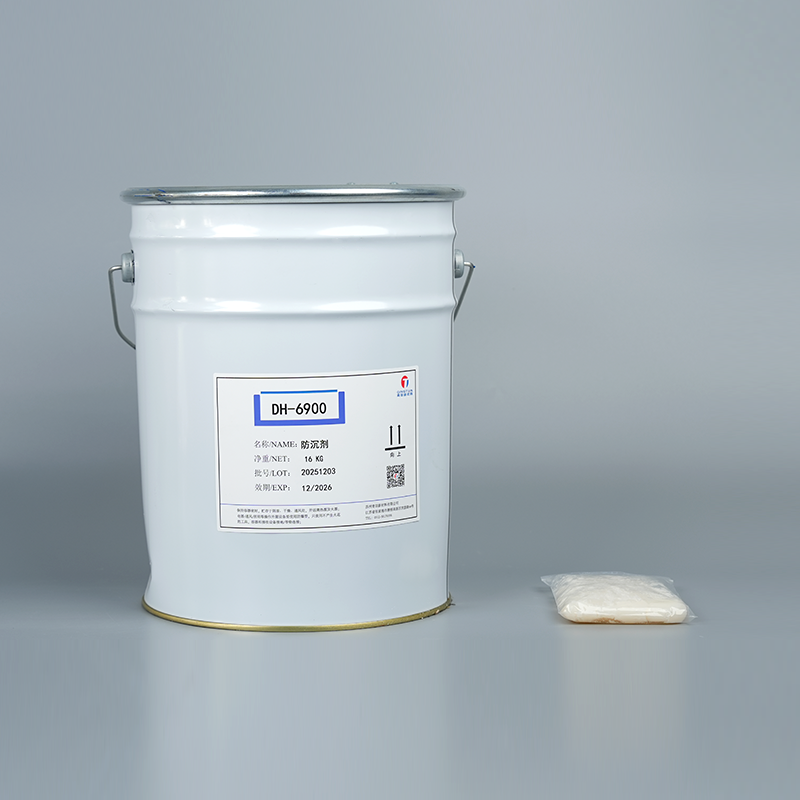
Introduction: Understanding Adhesion Promoters and Surface Bonding What Is an Adhesion Promoter? An adhesion promoter is a chemical or chemical formulation applied to a substrate surface prior to the ...
READ MORE
Product Category
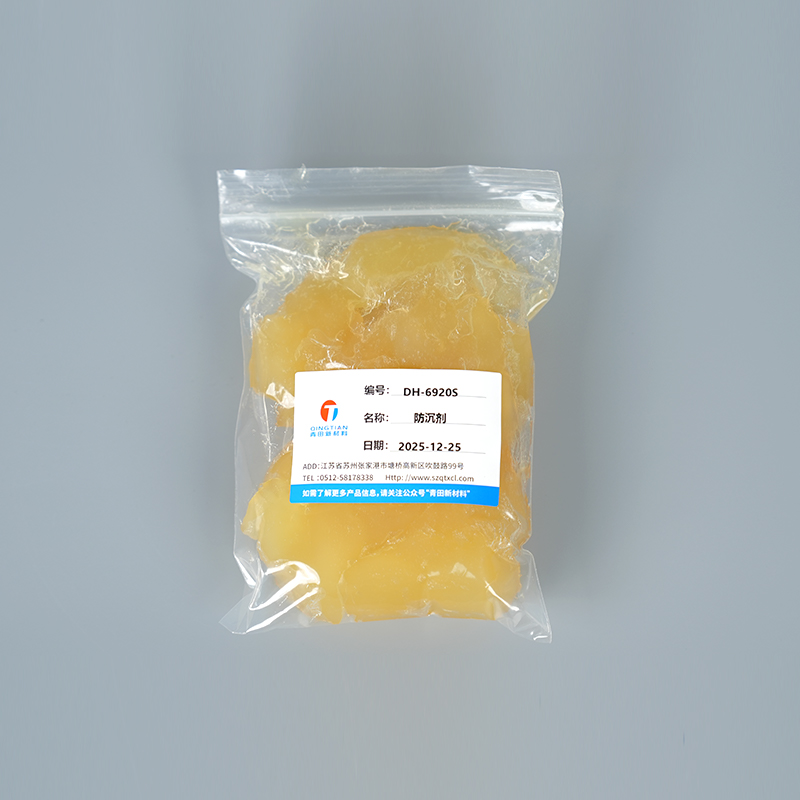
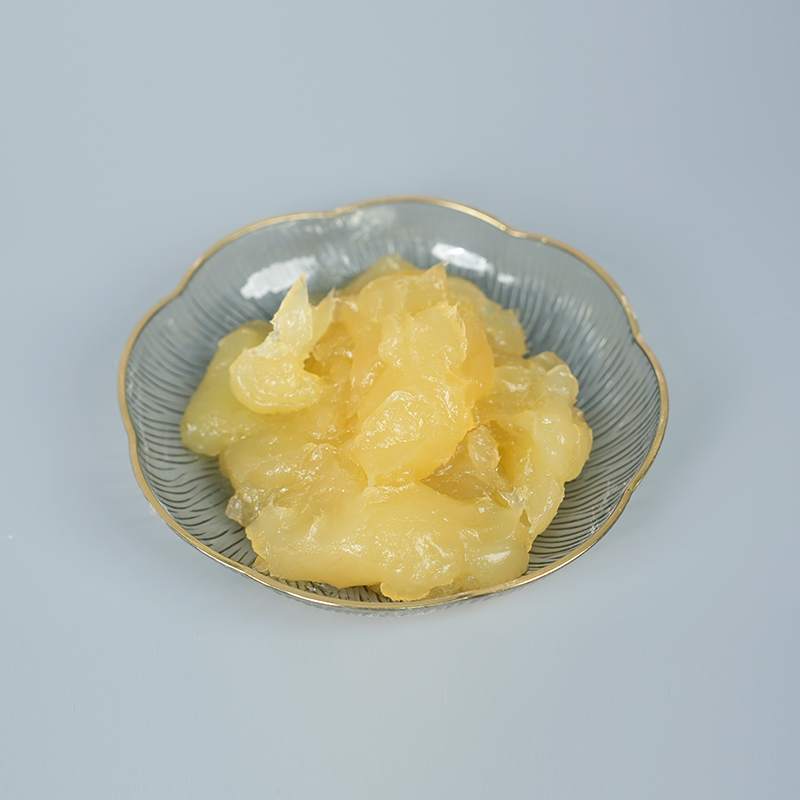
Custom Anti-settling Agent Manufacturers
Anti-settling agents are primarily used to prevent the settling of solid particles such as pigments and fillers during storage, transportation, or use, ensuring the stability and uniformity of coatings. Since pigments and fillers typically have a higher density than the coating system, these particles easily settle within the coating, leading to uneven distribution and affecting the coating's quality and performance. Anti-settling agents work by adjusting the rheological properties of the coating or stabilizing the particle dispersion system, slowing down or preventing particle settling, thus effectively ensuring the coating remains stable during storage and use.
The working principle of anti-settling agents is mainly achieved through two methods to achieve stable particle dispersion: first, by increasing the viscosity of the coating, slowing its flow and making it less prone to particle settling; second, by enhancing the spatial repulsion or surface adsorption between particles, reducing the mutual attraction between particles, ensuring that the particles remain uniformly suspended. These mechanisms help prevent settling and stratification, ensuring that the coating maintains good performance and uniformity before production, storage, and use, thereby improving the application effect and product quality of the coating.
Anti-settling agents are widely used in high-pigment-content coating systems, such as architectural coatings and industrial coatings. They can significantly improve the storage stability of coatings, extend their shelf life, and prevent uneven coating due to sedimentation or stratification, which can affect application results and film quality. For coatings requiring long-term storage, the use of anti-settling agents is particularly important, ensuring that the coating maintains a stable dispersion during storage and transportation, preventing particle sedimentation from affecting the final coating effect.
About Us
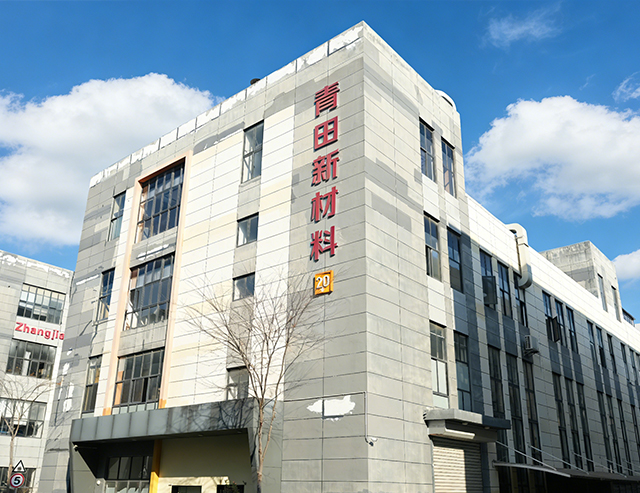
Suzhou Qingtian New Material Co., Ltd.
Suzhou Qingtian New Material Co., Ltd. is professional China Anti-settling Agent Manufacturers and Custom Anti-settling Agent Factory specializing in raw materials for coatings, inks, and adhesives. Through years of effort, the company has developed a professional R&D team, sales team, and production base, equipped with comprehensive testing equipment and cutting-edge technical R&D personnel, striving tirelessly to serve customers and lead the market.
The company's main products include dispersants, leveling agents, defoamers, adhesion promoters, anti-settling agents, cooling agents, conductive agents, orange peel texture agents, texture powders, and wax powders. The products have a wide sales range, covering steel and aluminum coil coatings, plastic coatings, UV curing, anti-corrosion coatings, wood coatings, glass coatings, epoxy flooring, printing inks, power batteries, photovoltaic panels, and other fields. In response to the national environmental protection concept of "clear waters and blue skies," the company continuously innovates and develops water-based products, contributing to the development of the water-based industry.
Qingtian New Material adheres to the business philosophy of "Professionalism, Integrity, Service, and Win-Win," and has adopted advanced international marketing concepts and market management models to provide high-quality products and services to new and old customers, achieving win-win results with trustworthy partners.
The company's main products include dispersants, leveling agents, defoamers, adhesion promoters, anti-settling agents, cooling agents, conductive agents, orange peel texture agents, texture powders, and wax powders. The products have a wide sales range, covering steel and aluminum coil coatings, plastic coatings, UV curing, anti-corrosion coatings, wood coatings, glass coatings, epoxy flooring, printing inks, power batteries, photovoltaic panels, and other fields. In response to the national environmental protection concept of "clear waters and blue skies," the company continuously innovates and develops water-based products, contributing to the development of the water-based industry.
Qingtian New Material adheres to the business philosophy of "Professionalism, Integrity, Service, and Win-Win," and has adopted advanced international marketing concepts and market management models to provide high-quality products and services to new and old customers, achieving win-win results with trustworthy partners.
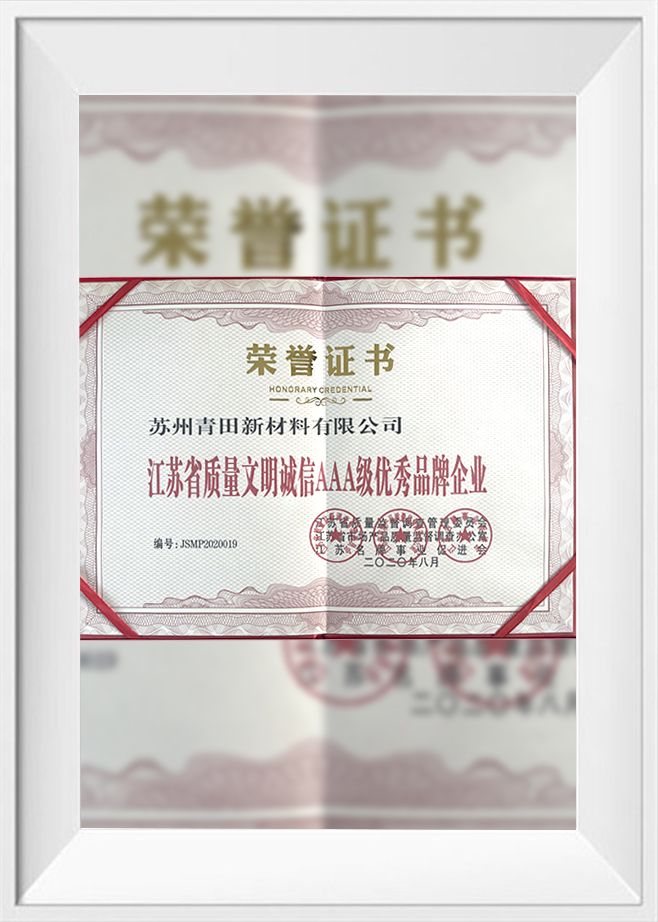
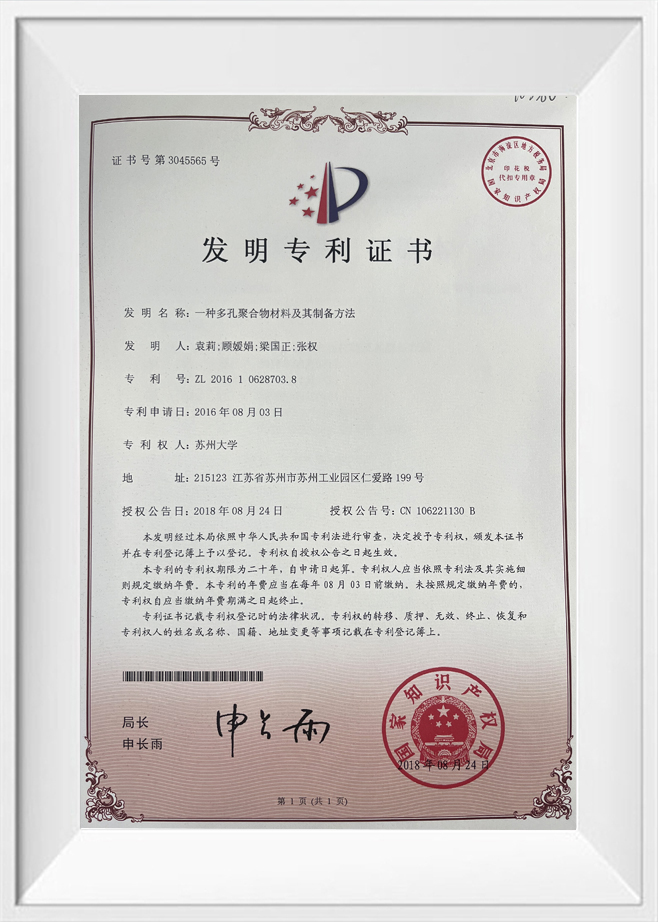
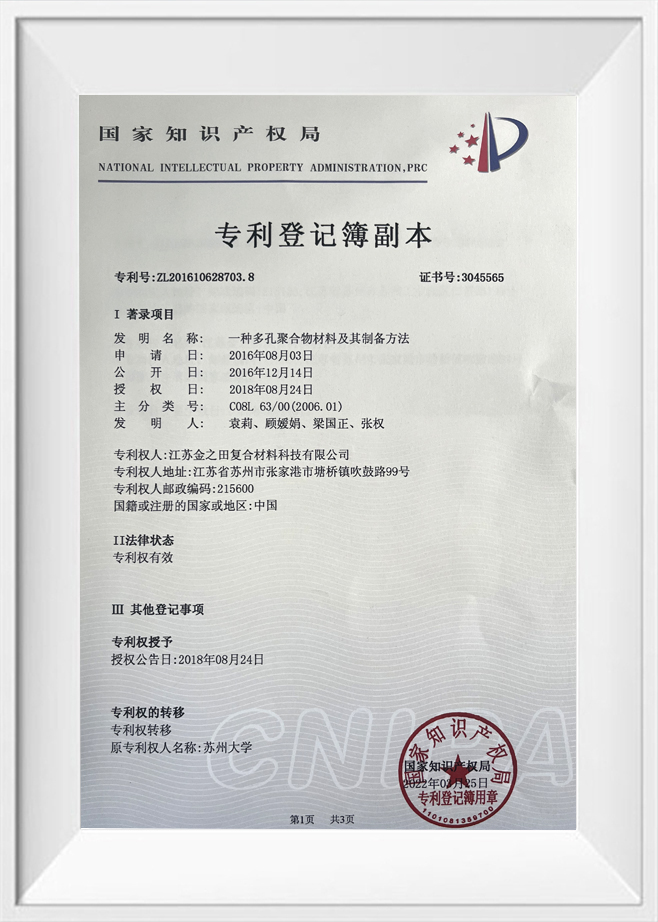
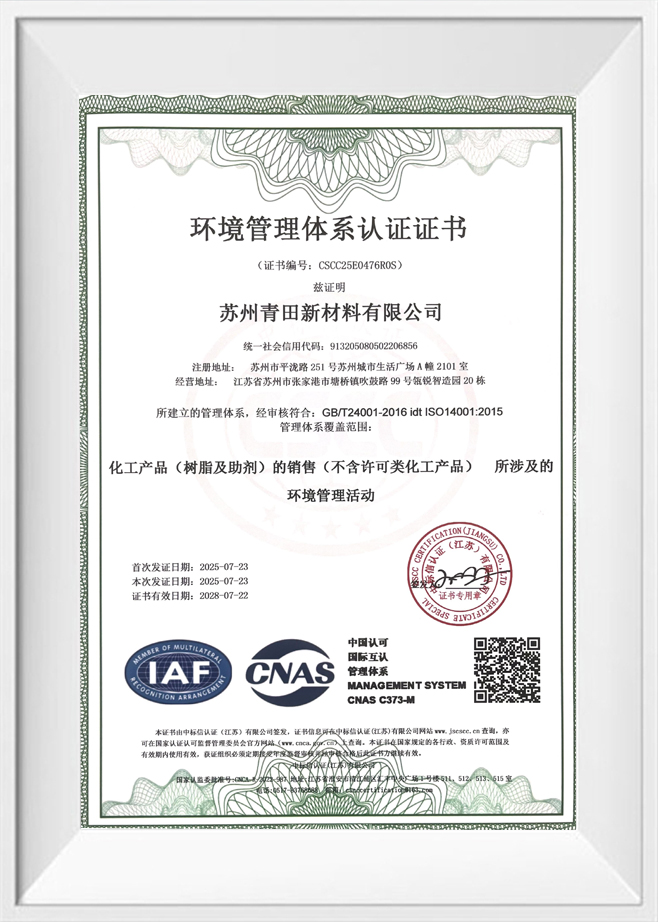
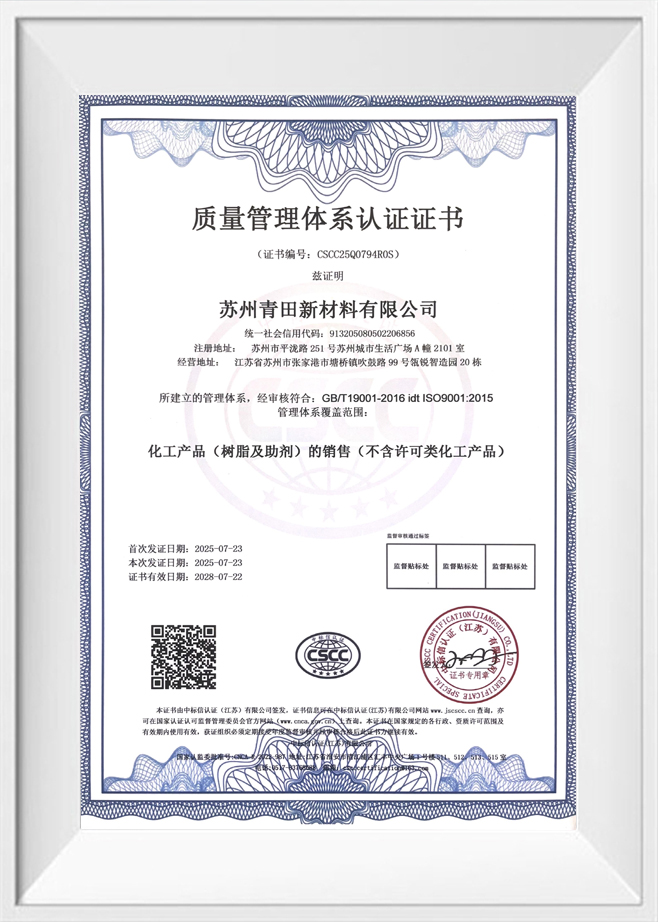
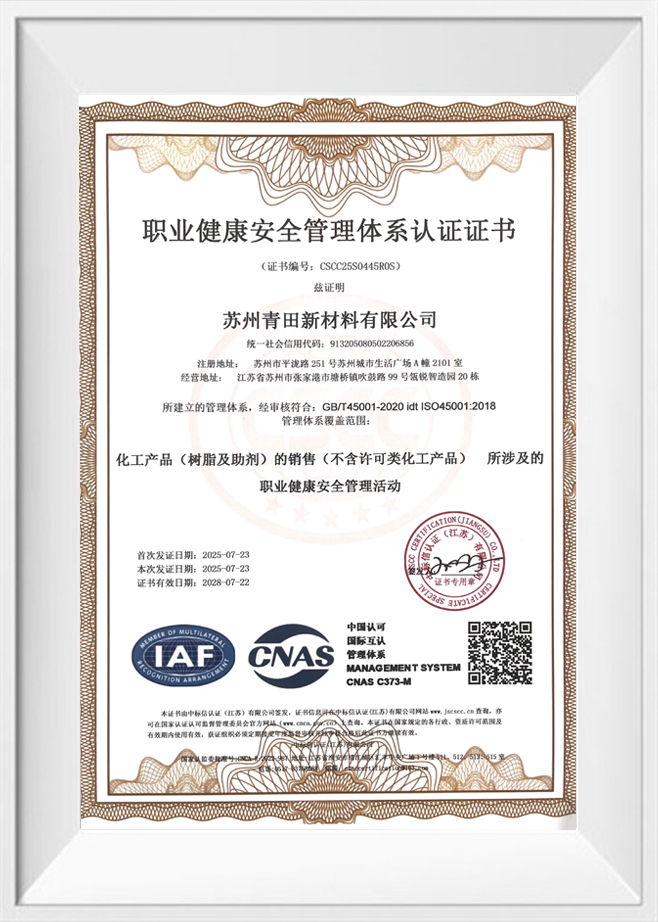
Certificate Of Honor
News
-
-
How Do Dispersing Agents Influence Pigment Wetting and Stabilization? 1. The Thermodynamics of Pigment Wetting and the Role of Dispersing Agents Pigment wetting is the first and most fundamental...
READ MORE -
Understanding Acrylate Leveling Agents: The Backbone of Surface Excellence In the sophisticated world of industrial coatings, achieving a flawless, mirror-like finish is not merely an aesthetic prefer...
READ MORE -
The essence of snow-melting agents is that they are "phase change regulators" that lower the freezing point by altering the phase change mechanism of water. This characteristic, while different in app...
READ MORE -
First Generation: Sodium Chloride – A Classic “Pioneer” Industrial salt is a relatively traditional and economical de-icing agent. Raw materials are readily available, costs are low, and it works well...
READ MORE
Message Feedback
Anti-settling Agent Industry knowledge
Why Are Anti-settling Agents Essential for Maintaining the Structural Integrity and Performance of Modern Coatings?
To understand the necessity of anti-settling agents, one must first look at the composition of a standard industrial coating. Most coatings are complex multi-phase systems consisting of a liquid binder, solvents, and a variety of solid particulates including decorative pigments, functional fillers, and anti-corrosive agents.
The Challenge of Density Disparity
The fundamental problem arises from the laws of physics, specifically gravity and density. Pigments and fillers typically possess a significantly higher density than the liquid medium in which they are dispersed. For example, titanium dioxide (a common white pigment) or various metallic powders used in anti-corrosive primers are much heavier than the surrounding acrylic or epoxy resins.
In a resting state such as during storage in a warehouse or transportation in a drum these particles naturally tend to settle toward the bottom of the container. This process is governed by Stokes' Law, which dictates that the settling velocity of a particle is proportional to the square of its radius and the difference in density between the particle and the liquid, and inversely proportional to the viscosity of the liquid.
The Consequences of Sedimentation
If a coating system lacks an effective anti-settling mechanism, several catastrophic failures can occur:
Non-uniformity and Color Inconsistency: When pigments settle, the liquid at the top of the container becomes "resin-rich" while the bottom becomes "pigment-heavy." This creates a vertical concentration gradient that is notoriously difficult to correct. If the end-user does not stir the product perfectly—a task made significantly harder if the sediment has begun to pack—the resulting film will exhibit severe aesthetic defects. These include inconsistent color matching across a single project, variations in opacity or "hiding power," and uneven gloss levels that can ruin the visual quality of high-end finishes.
Hard-Caking: This represents the most dreaded outcome for any coating manufacturer or distributor. Hard-caking occurs when particles settle into a dense, highly compacted layer at the bottom of the drum. Over time, the weight of the overhead particles forces out the liquid binder from the interstitial spaces, creating a solid mass that cannot be redistributed or "broken up" by standard mechanical stirring or high-speed dispersion. This effectively ruins the batch of paint, leading to significant financial loss, high waste disposal costs, and damaged brand reputation.
Loss of Functional Properties: In specialized systems like anti-corrosive, conductive, or fire-retardant coatings, the functional properties must remain perfectly distributed to provide a continuous protective network. If these heavy particles settle to the bottom, the upper layers of the coating will lack the necessary concentration of active ingredients. This results in a compromised protective "barrier" that allows for premature substrate failure, such as rapid oxidation in metals or electrical failure in conductive films, ultimately leading to costly liability issues and structural risks.
The Solution: Strategic Anti-settling Integration
Anti-settling agents are primarily used to prevent the settling of solid particles such as pigments and fillers during storage, transportation, or use, ensuring the stability and uniformity of coatings. Since pigments and fillers typically have a higher density than the coating system, these particles easily settle within the coating, leading to uneven distribution and affecting the coating's quality and performance. Anti-settling agents work by adjusting the rheological properties of the coating or stabilizing the particle dispersion system, slowing down or preventing particle settling, thus effectively ensuring the coating remains stable during storage and use.
As a professional China Anti-settling Agent Manufacturer and Custom Anti-settling Agent Factory, Suzhou Qingtian New Material Co., Ltd. understands these challenges intimately. The company’s R&D team focuses on developing additives that prevent the formation of hard sediment while maintaining the application properties (like flow and leveling) that customers expect.
What Are the Scientific Mechanisms and Working Principles Behind Particle Stabilization?
The stabilization of a suspension is not a "one-size-fits-all" process. Anti-settling agents achieve their goals through a combination of physical and chemical mechanisms that alter how particles interact with each other and the surrounding fluid.
Rheological Modification: Controlling Flow and Viscosity
The first and most common method of preventing settling is through the adjustment of the coating's rheology. Rheology is the study of the flow of matter. To prevent settling, a coating needs a specific type of viscosity profile known as "Thixotropy" or "Pseudoplasticity."
Low-Shear Viscosity: When the paint is sitting in a container at rest (a low-shear environment), it requires an exceptionally high "at-rest" viscosity to counteract the gravitational pull on heavy particles. Anti-settling agents accomplish this by building a temporary, reversible three-dimensional network through hydrogen bonding or molecular entanglement throughout the liquid phase. This intricate structural network acts as a microscopic "web" or scaffold that traps pigments and fillers in place, effectively increasing the yield stress of the fluid so that particles remain suspended indefinitely despite their density.
High-Shear Thinning: When the coating is subjected to high mechanical force during application such as being sheared by a paintbrush, compressed through a roller, or atomized in a spray nozzle the shear force overcomes the weak intermolecular bonds of the internal network. This causes the structure to collapse instantly, resulting in a dramatic drop in viscosity. This pseudoplastic behavior allows the coating to flow smoothly and wet the substrate effectively. Once the application tool is removed, the network undergoes a controlled "recovery" or reformation. This thixotropic recovery is timed precisely by the anti-settling agent to allow for enough leveling to remove brush marks, while becoming viscous enough quickly enough to prevent the wet film from sagging, dripping, or running down vertical surfaces.
Surface Interaction and Spatial Repulsion
The second method involves the stabilization of the individual particles themselves. Even if the viscosity is high, if particles aggregate (clump together), they become effectively larger and heavier, which accelerates settling according to Stokes' Law.
Spatial (Steric) Repulsion: Certain anti-settling agents consist of long-chain, high-molecular-weight polymer chains that effectively adsorb onto the surface of the pigment particles. These chains extend outward into the liquid medium, creating a dense physical "buffer zone" or "protective cloud." When two particles approach each other due to Brownian motion or gravity, these polymer chains overlap and create an osmotic pressure or entropic repulsion that pushes the particles apart. This prevents them from ever reaching the critical distance where attractive forces could lead to irreversible clumping or aggregation.
Electrostatic Stabilization: In many water-based and polar solvent systems, anti-settling agents are engineered to provide a specific surface charge to the particles. By creating a double-layer of ions around each pigment, the agent ensures that all particles carry a similar charge. Since like charges naturally repel, the particles constantly push away from one another, maintaining a stable, uniform, and suspended state that resists the downward pull of gravity through continuous kinetic repulsion.
Surface Adsorption: By significantly enhancing the surface adsorption between particles and the surrounding resin matrix, anti-settling agents effectively "wet" the particle completely. This reduces the interfacial tension and minimizes the natural mutual attraction (Van der Waals forces) that otherwise draws particles together. This chemical "lubrication" ensures that the particles remain as individual, discrete units uniformly suspended throughout the entire volume of the container, rather than forming large flocs that would rapidly precipitate.
A Symbiotic Mechanism
These mechanisms help prevent settling and stratification, ensuring that the coating maintains good performance and uniformity before production, storage, and use, thereby improving the application effect and product quality of the coating.
Suzhou Qingtian New Material Co., Ltd. leverages its cutting-edge technical R&D personnel and comprehensive testing equipment to analyze these interactions at a molecular level. By balancing viscosity modification with particle-surface stabilization, they produce custom anti-settling agents that perform reliably across a wide range of chemical environments, from solvent-borne epoxies to modern water-based acrylics.
How Do Specialized Anti-settling Agents Impact Different Industrial Sectors and Environmental Sustainability?
The application of anti-settling agents extends far beyond simple house paint. They are critical components in some of the world's most demanding industrial sectors.
High-Pigment and Industrial Coating Systems
Anti-settling agents are widely used in high-pigment-content coating systems, such as architectural coatings and industrial coatings. In these systems, the sheer volume of solid matter makes stability a primary concern.
Architectural Coatings: For large-scale construction projects, paint may be stored for months in varying warehouse temperatures. Anti-settling agents extend the shelf life significantly and ensure that the color on the first wall matches the color on the last wall perfectly, eliminating the risk of "shading" or "blotching" caused by uneven pigment distribution during the painting process.
Heavy-Duty Anti-corrosion: Coatings used on bridges, oil rigs, and ships often contain heavy zinc dust, micaceous iron oxide, or glass flakes for barrier protection. Without powerful, high-performance anti-settling agents, these dense functional fillers would quickly settle into a hard cake that is impossible to redistribute with field-site equipment, rendering the anti-corrosive properties useless and leaving critical infrastructure vulnerable to rapid rust and decay.
Specialized High-Tech Applications
The reach of Suzhou Qingtian’s products covers diverse and specialized fields:
Power Batteries and Photovoltaic Panels: In the ultra-precise production of lithium-ion batteries and solar panels, the coating of conductive slurries is a critical step. These slurries, containing carbon black, active materials, or metallic particles, must be kept perfectly uniform to ensure consistent energy efficiency, high charge capacity, and operational safety. Any microscopic settling or aggregation in these slurries during the roll-to-roll coating process could lead to internal resistance spikes, battery hot-spots, or significantly reduced solar conversion efficiency, potentially compromising the entire energy storage system.
Automotive and Coil Coatings: Steel and aluminum coil coatings require extremely consistent rheology to ensure perfectly uniform film thickness at high-speed production line velocities. Anti-settling agents prevent high-density effect pigments (like metallics or pearlescents) from settling in the long supply lines or spray manifolds. This ensures a flawless, "orange peel-free" finish with consistent metallic orientation across thousands of feet of metal, which is vital for the aesthetic standards of the automotive and architectural industries.
Printing Inks: High-quality inks for premium packaging and fine publication require extremely fine pigment dispersions. Anti-settling agents prevent these sub-micron particles from aggregating over time, which would otherwise lead to disastrous consequences such as clogged printer nozzles, inconsistent color density, and poor print quality on non-porous films or metallic substrates. By maintaining a stable suspension, these agents ensure that the ink remains "ready-to-print" even after long periods of inactivity.
Environmental Stewardship: "Clear Waters and Blue Skies"
In response to the national environmental protection concept of "clear waters and blue skies," the industry is undergoing a massive transition from solvent-borne to water-based systems. This transition introduces new challenges for anti-settling agents, as water-based systems have different surface tensions and chemical dynamics.
Suzhou Qingtian New Material Co., Ltd. has embraced this challenge. The company continuously innovates and develops water-based products, contributing to the development of the water-based industry. Their water-based anti-settling agents are designed to be low-VOC (Volatile Organic Compound) and environmentally friendly while maintaining the high performance required by industrial users.
The Advantage of Choosing Suzhou Qingtian
Suzhou Qingtian New Material Co., Ltd. is a professional China Anti-settling Agent Manufacturer specializing in raw materials for coatings, inks, and adhesives. Through years of effort, the company has developed a professional R&D team, sales team, and production base. One of their key strengths is their ability to provide Custom Anti-settling Agent solutions tailored to the specific resin systems and pigment loads of their clients.
-
-
Phone
+86-189 1262 7527 +86-512 5817 8338 -
E-mail
inquiry@jsjinzhitian.com claire@jsjinzhitian.com -
Address
No. 99, Chuigu Road, Tangqiao High-tech Zone, Zhangjiagang City, Suzhou, Jiangsu Province, China
-
Copyright © Suzhou Qingtian New Material Co., Ltd. All Rights Reserved.
 Custom Anti-settling Agent Manufacturers
Custom Anti-settling Agent Manufacturers