


 русский
 Español
 Français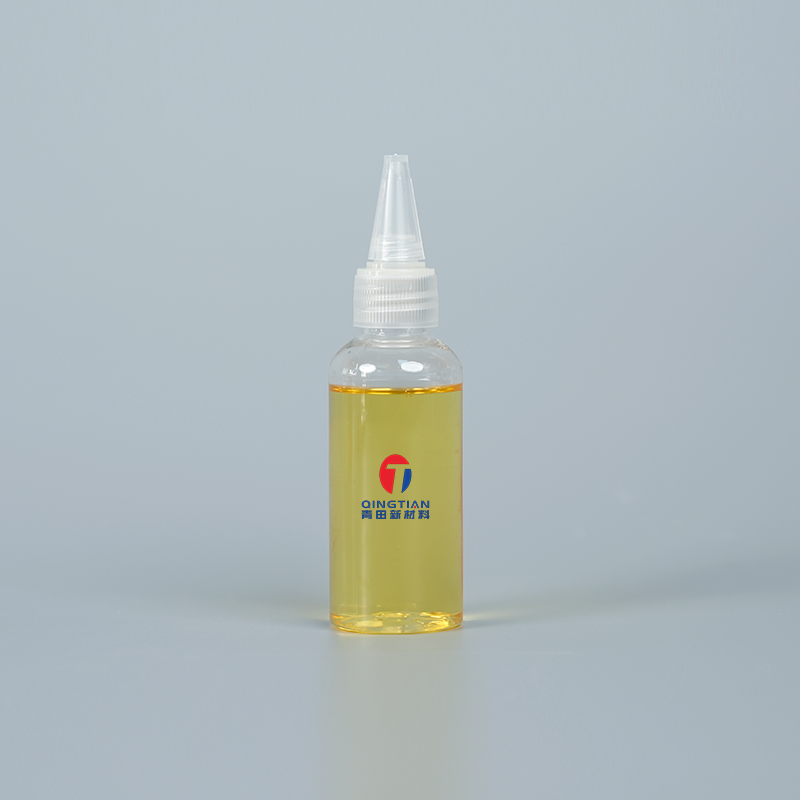
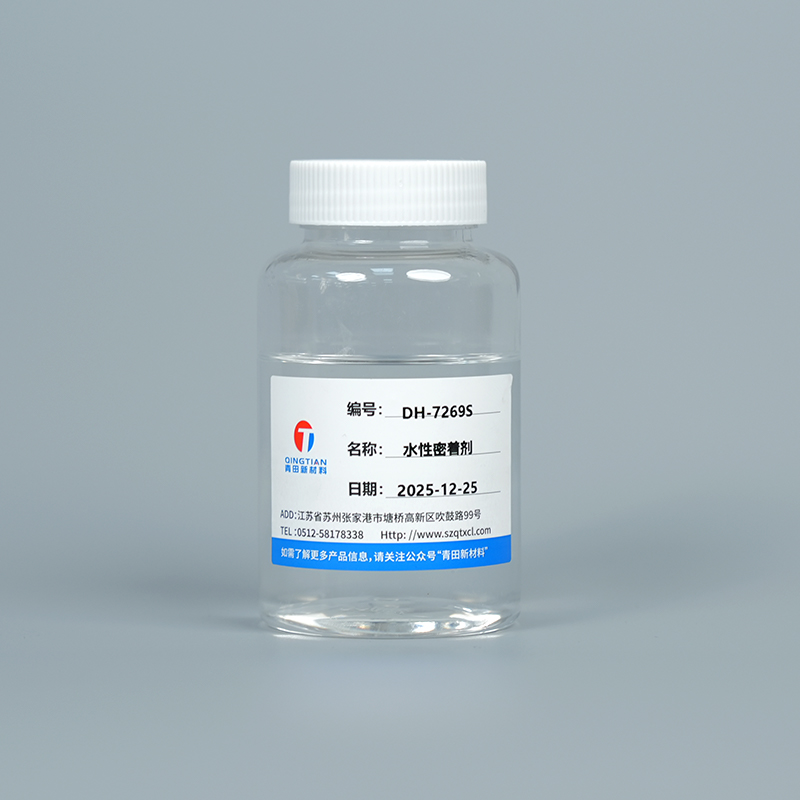
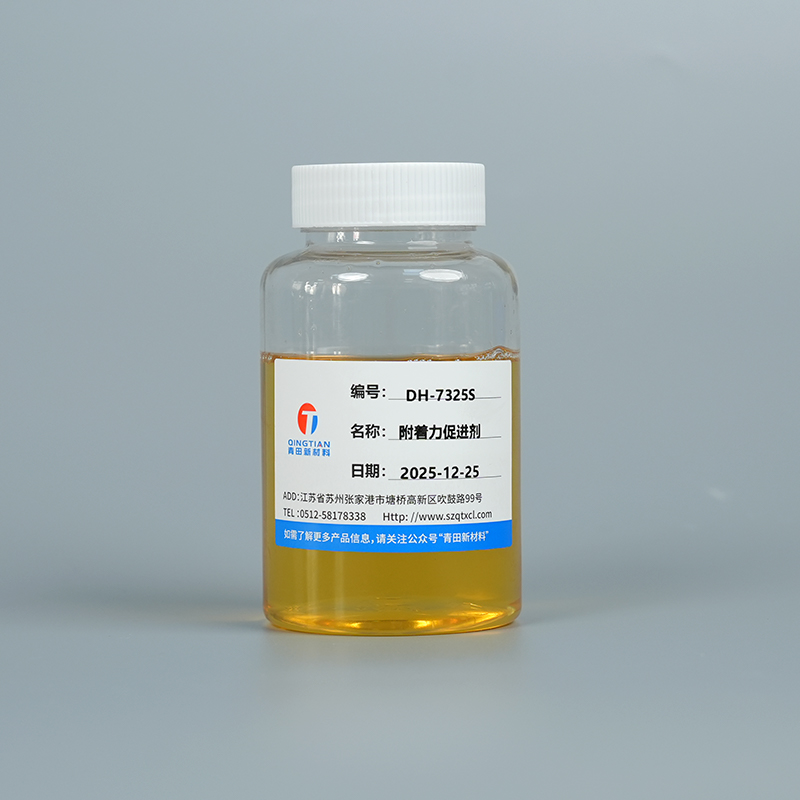
Introduction: Understanding Adhesion Promoters and Surface Bonding What Is an Adhesion Promoter? An adhesion promoter is a chemical or chemical formulation applied to a substrate surface prior to the ...
READ MORE
Product Category
Custom Adhesion Promoter Manufacturers
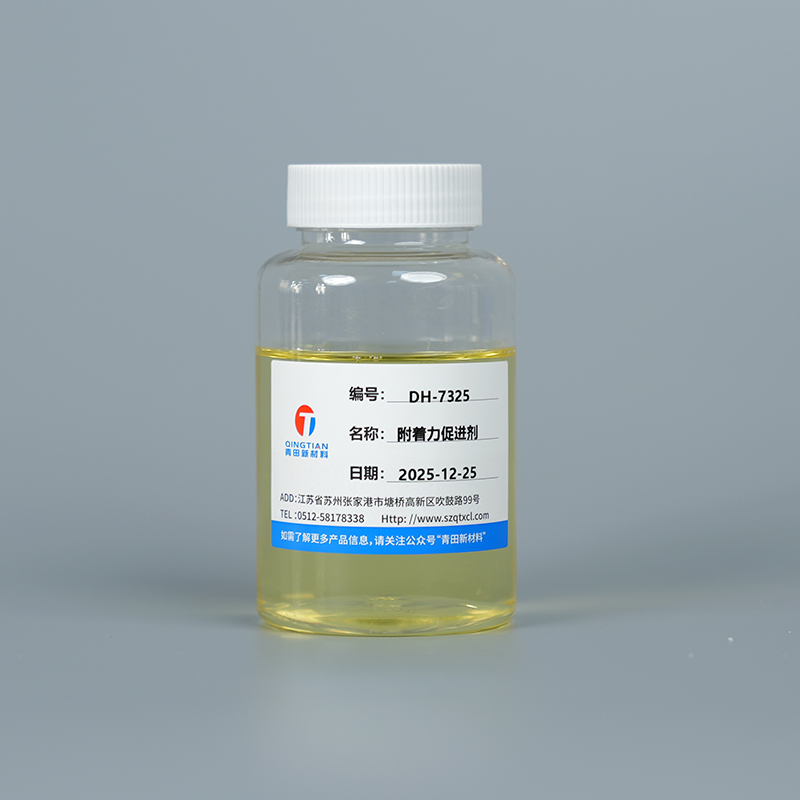
Adhesion promoters are additives used to enhance the adhesion between coatings and various substrate surfaces. On low surface energy substrates, coatings often suffer from poor adhesion, peeling, or detachment due to insufficient surface energy. To address this issue, adhesion promoters significantly enhance the bonding force between the coating and the substrate surface by increasing the affinity between them or by reacting chemically with the substrate surface. This effectively prevents coating detachment during use and ensures long-lasting adhesion.
Their working mechanism primarily involves introducing polar or reactive groups into the coating. These groups can form chemical bonds with the substrate surface or generate strong physical adsorption. This molecular-level bonding enhances the adhesion between the coating and the substrate surface, enabling the coating to maintain stable adhesion during long-term use and preventing problems such as peeling, detachment, and blistering. Simultaneously, adhesion promoters can provide additional protection in certain special conditions, preventing damage to the coating in harsh environments and further improving the coating's abrasion resistance and corrosion resistance.
Adhesion promoters are widely used in coating systems requiring enhanced adhesion, such as coatings for low surface energy substrates like plastics, metals, and glass. These substrates, due to their low surface energy, struggle to achieve good physical and chemical bonding with coatings. Therefore, adhesion promoters are needed to improve the coating's adhesion strength. Typical applications include automotive paints, appliance coatings, architectural coatings, and electronic coatings. In these applications, adhesion promoters ensure durable adhesion of the coating to the substrate surface, improving its peel resistance, corrosion resistance, and aging resistance.
About Us
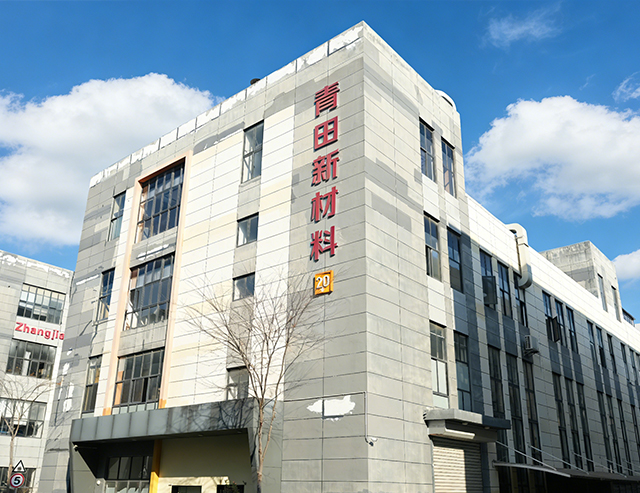
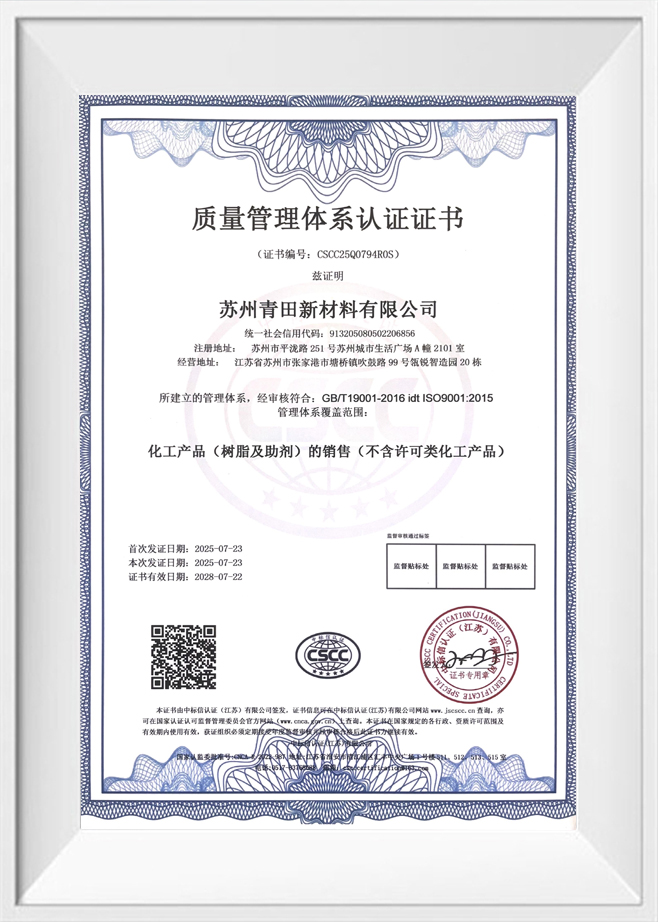
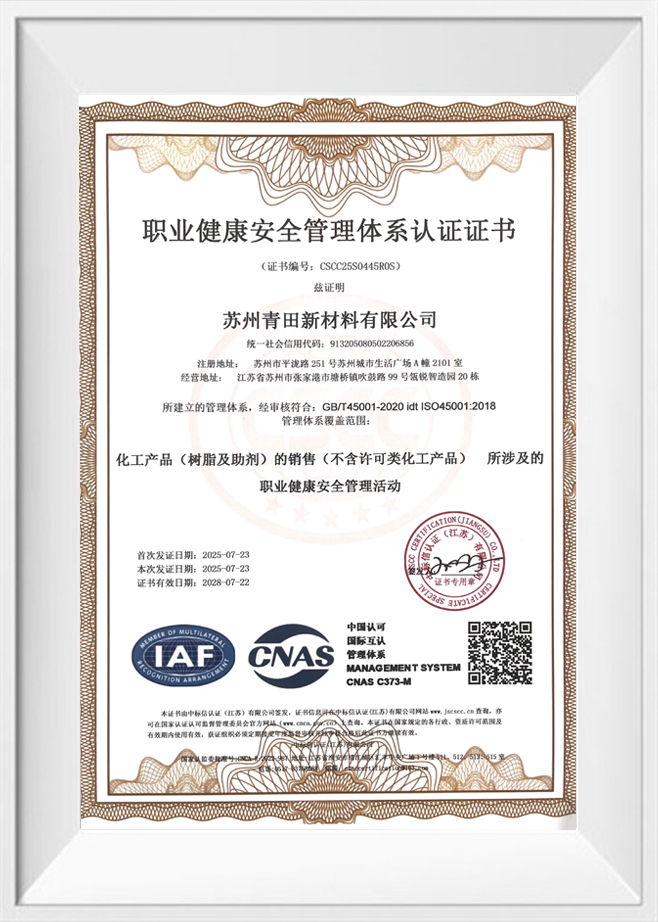
Suzhou Qingtian New Material Co., Ltd.
Suzhou Qingtian New Material Co., Ltd. is professional China Water-based Adhesion Promoter Manufacturers and Custom Adhesion Promoter Factory specializing in raw materials for coatings, inks, and adhesives. Through years of effort, the company has developed a professional R&D team, sales team, and production base, equipped with comprehensive testing equipment and cutting-edge technical R&D personnel, striving tirelessly to serve customers and lead the market.
The company's main products include dispersants, leveling agents, defoamers, adhesion promoters, anti-settling agents, cooling agents, conductive agents, orange peel texture agents, texture powders, and wax powders. The products have a wide sales range, covering steel and aluminum coil coatings, plastic coatings, UV curing, anti-corrosion coatings, wood coatings, glass coatings, epoxy flooring, printing inks, power batteries, photovoltaic panels, and other fields. In response to the national environmental protection concept of "clear waters and blue skies," the company continuously innovates and develops water-based products, contributing to the development of the water-based industry.
Qingtian New Material adheres to the business philosophy of "Professionalism, Integrity, Service, and Win-Win," and has adopted advanced international marketing concepts and market management models to provide high-quality products and services to new and old customers, achieving win-win results with trustworthy partners.
The company's main products include dispersants, leveling agents, defoamers, adhesion promoters, anti-settling agents, cooling agents, conductive agents, orange peel texture agents, texture powders, and wax powders. The products have a wide sales range, covering steel and aluminum coil coatings, plastic coatings, UV curing, anti-corrosion coatings, wood coatings, glass coatings, epoxy flooring, printing inks, power batteries, photovoltaic panels, and other fields. In response to the national environmental protection concept of "clear waters and blue skies," the company continuously innovates and develops water-based products, contributing to the development of the water-based industry.
Qingtian New Material adheres to the business philosophy of "Professionalism, Integrity, Service, and Win-Win," and has adopted advanced international marketing concepts and market management models to provide high-quality products and services to new and old customers, achieving win-win results with trustworthy partners.
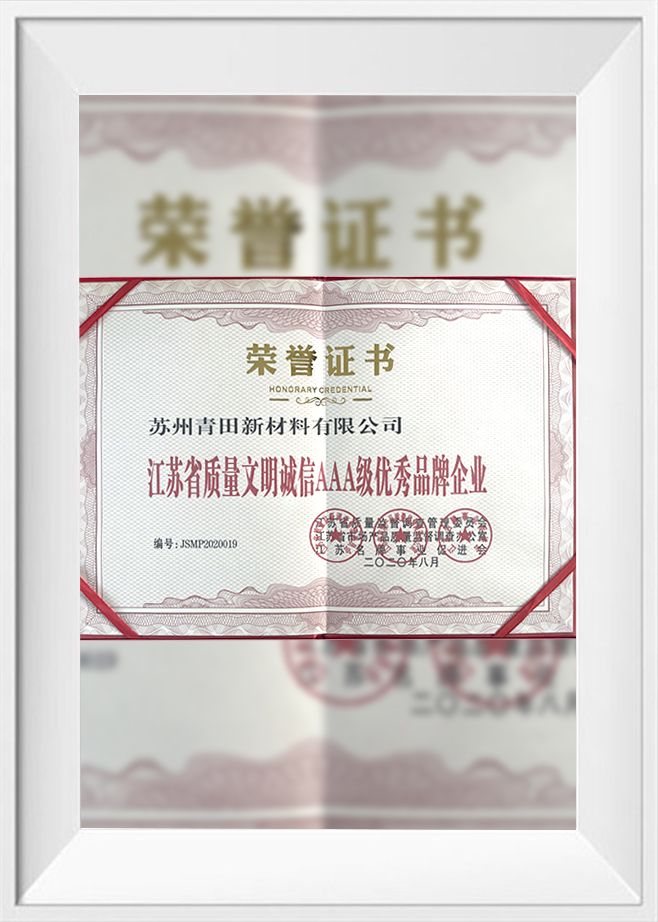
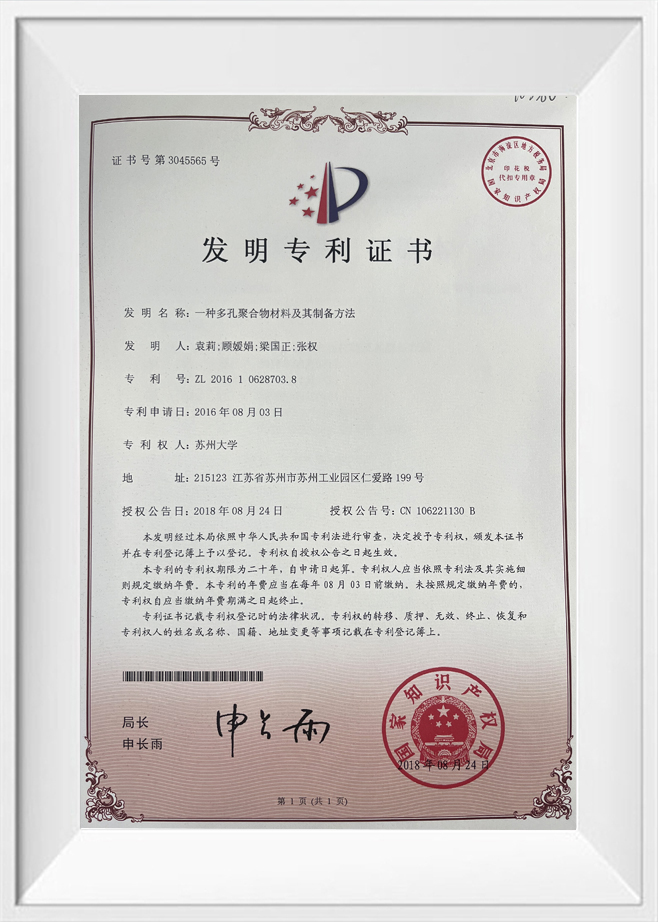
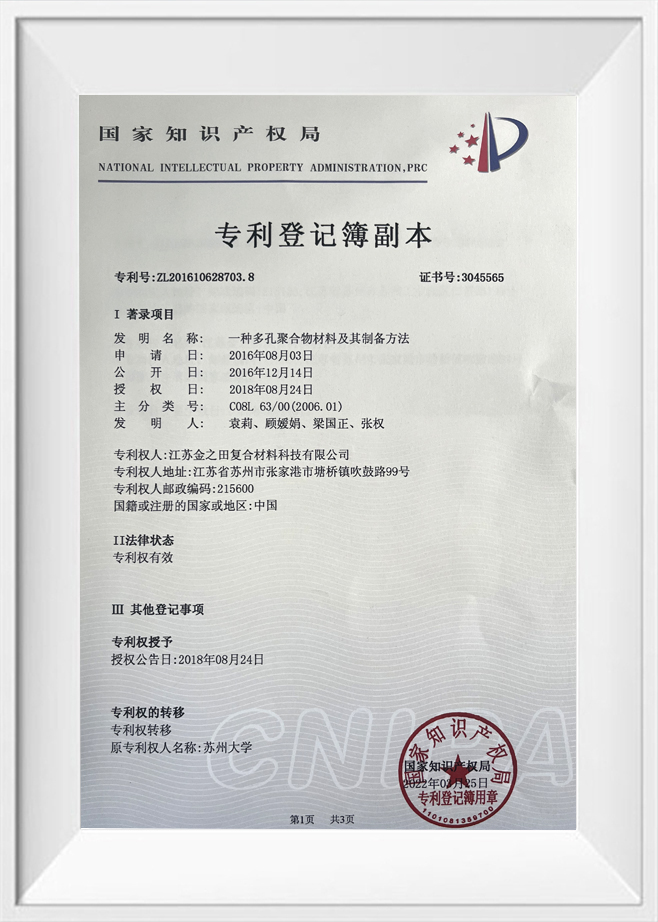
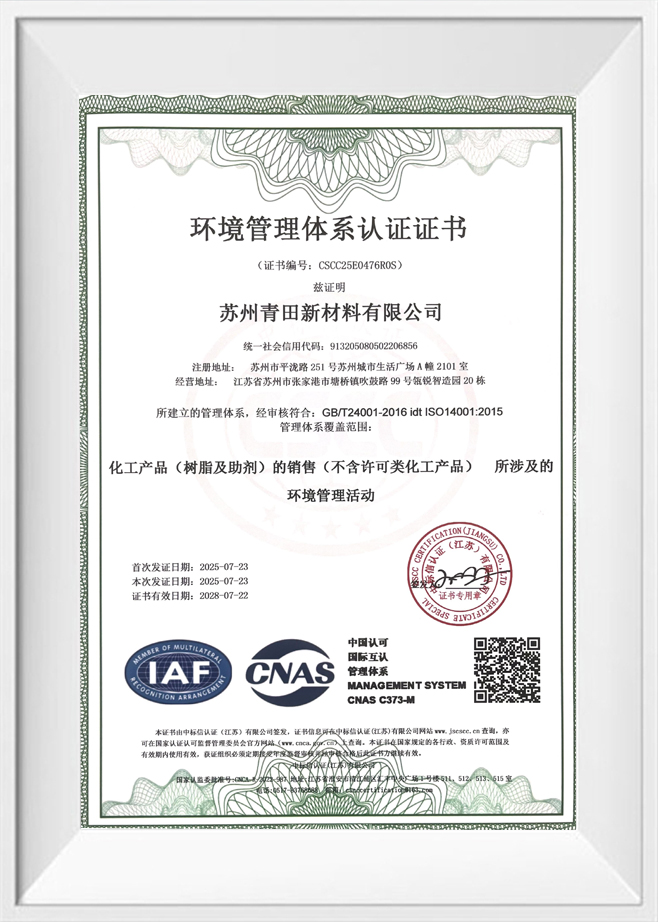
Certificate Of Honor
News
-
-
How Do Dispersing Agents Influence Pigment Wetting and Stabilization? 1. The Thermodynamics of Pigment Wetting and the Role of Dispersing Agents Pigment wetting is the first and most fundamental...
READ MORE -
Understanding Acrylate Leveling Agents: The Backbone of Surface Excellence In the sophisticated world of industrial coatings, achieving a flawless, mirror-like finish is not merely an aesthetic prefer...
READ MORE -
The essence of snow-melting agents is that they are "phase change regulators" that lower the freezing point by altering the phase change mechanism of water. This characteristic, while different in app...
READ MORE -
First Generation: Sodium Chloride – A Classic “Pioneer” Industrial salt is a relatively traditional and economical de-icing agent. Raw materials are readily available, costs are low, and it works well...
READ MORE
Message Feedback
Adhesion Promoter Industry knowledge
How Do Adhesion Promoters Solve the "Low Surface Energy" Dilemma in Modern Coatings?
One of the most frequent challenges in the coating and ink industry is achieving a stable bond on substrates with low surface energy. Plastics like polypropylene, polyethylene, and certain thermoplastic elastomers have non-polar surfaces that naturally repel most liquid coatings. This leads to issues such as "beading," poor wetting, and eventual peeling.
The Mechanism of Action
Adhesion promoter work at the molecular level to transform the interface between the coating and the substrate. Their primary function is to increase the affinity between these two disparate phases. They achieve this through several distinct pathways:
Chemical Bonding: Many adhesion promoters, such as silane coupling agents and organometallics, contain dual-functional groups within a single molecule. One end of the molecule is engineered with organic functional groups designed to chemically react and cross-link with the resin matrix of the coating. The other end consists of hydrolyzable groups that form strong, permanent covalent bonds with the inorganic hydroxyl groups or oxide layers present on substrate surfaces like glass, ceramics, or metals. This creates a "molecular bridge" that is far more resistant to moisture and heat than simple physical contact.
Physical Adsorption and Interdiffusion: On non-polar plastic surfaces where chemical sites are scarce, certain adhesion promoters most notably Chlorinated Polyolefins utilize a "solvent-assisted" mechanism. These promoters partially dissolve or swell the top molecular layers of the polymer substrate. This allows the long polymer chains of the promoter to physically penetrate and entangle with the substrate’s own molecular structure. As the carrier solvent evaporates, these entangled chains solidify, creating a powerful "mechanical lock" at the microscopic level that effectively fuses the coating interface to the plastic body.
Polarity Modification: By introducing highly active polar groups such as carboxyl, amino, hydroxyl, or phosphate groups onto an otherwise inert, non-polar surface, adhesion promoters fundamentally alter the surface chemistry. These groups significantly increase the surface tension of the substrate, transforming it from a "liquid-repellent" surface into one that is "wettable." This ensures that the liquid coating can spread out into a continuous, uniform film. Furthermore, these polar sites act as anchors for the formation of strong hydrogen bonds and secondary Van der Waals forces, providing a dense network of attraction between the coating and the surface.
Why Surface Energy Matters
Surface energy is a measure of the excess energy at the surface of a material compared to its bulk. For a coating to wet a substrate properly, the surface tension of the liquid coating must be lower than the surface energy of the solid substrate. When this is not naturally the case, an adhesion promoter acts as a mediator, ensuring that the coating stays put even under mechanical stress or environmental fluctuations.
What Are the Different Categories of Adhesion Promoters and How Do You Choose the Right One?
The diversity of substrates ranging from aerospace-grade aluminum to recycled automotive plastics requires a diverse range of chemical solutions. Adhesion promoters are generally classified based on their chemical structure and the specific substrates they are intended to treat.
Main Chemical Classifications
Silane Coupling Agents
Silanes represent the most versatile and historically significant class of adhesion promoters, particularly effective for inorganic-to-organic interfaces. These hybrid molecules feature a silicon center bonded to multiple alkoxy groups, such as methoxy or ethoxy, which undergo a critical hydrolysis process in the presence of trace moisture to form highly reactive silanols. These silanols then undergo a condensation reaction with the surface of glass, minerals, or metals to form incredibly stable oxane bonds. Simultaneously, the organic end of the molecule consists of an organofunctional chain specifically selected to match and chemically react with the organic resin of the coating, such as using an amino-silane for polyurethane systems or an epoxy-silane for epoxy-based industrial coatings.
Applications: Silanes are indispensable in the production of glass fiber-reinforced plastics (FRP), where they ensure the resin stays bonded to the fibers under load. They are also widely utilized in high-tech dental restorative materials to bond composite resins to enamel or ceramic, in high-performance metal primers for the aerospace industry, and as vital components in automotive windshield sealants to prevent leaks and structural failure.
Benefits: One of the primary advantages of silane technology is exceptional thermal stability, allowing coatings to maintain their integrity even when subjected to high-temperature operating environments. Furthermore, they are highly resistant to moisture-induced delamination (hydrolysis resistance), which prevents the bond from weakening when exposed to humidity, rain, or submerged conditions, making them the preferred choice for outdoor architectural and maritime applications.
Chlorinated Polyolefins
Chlorinated Polyolefins are the definitive industry standard for addressing the extreme non-polarity of Polypropylene and Ethylene Propylene Diene Monomer. Because these substrates lack reactive functional groups, Chlorinated Polyolefins work by matching the solubility parameters of the substrate, essentially "wetting" the surface at a molecular level.
Applications: Primarily found in automotive exterior components such as bumpers, side mirrors, and spoilers that require painted finishes. They are also extensively used for interior plastic trim, dashboards, and flexible plastic packaging for consumer goods where high-speed printing inks must adhere to non-polar films.
Benefits: They offer deep substrate penetration through the swelling of the substrate's surface, creating a permanent anchor. Chlorinated Polyolefins provide excellent flexibility that prevents the coating from cracking or peeling during extreme temperature cycles (expansion and contraction), and they exhibit superior overcoatability, ensuring that topcoats and clearcoats lay smoothly over the promoter layer.
Titanates and Zirconates
These organometallic coupling agents serve as high-performance alternatives to silanes, especially in systems where silanes may be less reactive or where exceptionally high filler loading is required. They create a molecular bridge that improves the compatibility between inorganic fillers and the organic resin matrix.
Applications: Extensively utilized in heavy-duty industrial anti-corrosion coatings, marine-grade paints, and high-performance ink systems where pigment stability and color strength are paramount. They are also used in plastic compounding to increase the physical properties of filled polymers.
Benefits: Known for their extreme chemical reactivity, they significantly improve the dispersion of inorganic pigments, preventing agglomeration. They provide a chemically resistant interface that prevents "creep" or moisture migration under the coating film, and they can often reduce the viscosity of a formulation, allowing for higher solids content and better flow properties.
Specialized Polymeric Promoters
Modern coating technologies, such as UV-curing and high-solids industrial systems, often require promoters that can integrate seamlessly into fast-curing resin matrices without slowing down the production line. These polymeric promoters are often functionalized with specialized acidic or phosphoric acid groups.
Applications: Essential for coil coatings used in the construction of metal buildings, electronic device housings, UV-curable inks for metalized films, and high-performance aerospace finishes where weight reduction and thin-film performance are critical.
Benefits: They offer a rapid "snap-cure" response in fast-line applications, ensuring that adhesion is achieved within seconds. These promoters provide a balanced combination of high-gloss retention, chemical resistance to household and industrial cleaners, and exceptional peel strength on difficult-to-bond metallic surfaces like aluminum, galvanized steel, and copper.
The Role of Suzhou Qingtian New Material Co., Ltd.
When selecting an adhesion promoter, the complexity of the formulation requires professional guidance. This is where Suzhou Qingtian New Material Co., Ltd. excels. As a professional company specializing in raw materials for coatings, inks, and adhesives, they have developed a robust R&D team and production base.
Qingtian New Material offers a comprehensive portfolio that includes not just adhesion promoters, but also:
Dispersants and Leveling Agents: These are critical to ensure that the adhesion promoter is evenly distributed throughout the coating matrix. High-performance dispersants prevent the promoter from agglomerating, while advanced leveling agents reduce surface tension gradients, ensuring a smooth, defect-free film that maximizes the contact area between the promoter and the substrate.
Defoamers and Anti-settling Agents: To maintain long-term shelf-life and application consistency, these additives are vital. Defoamers eliminate air entrapment that could otherwise create weak spots at the interface, while anti-settling agents ensure that dense promoters and pigments remain in suspension, guaranteeing that every drop of coating delivers the same high level of adhesion performance.
Water-based products: In alignment with the national environmental protection concept of "clear waters and blue skies," Suzhou Qingtian continuously innovates in the development of low-VOC, water-borne additives. These products are designed to replace traditional solvent-based systems without sacrificing performance, helping manufacturers meet stringent environmental regulations while contributing to a healthier industrial ecosystem.
Their advantage lies in their cutting-edge technical R&D personnel and comprehensive testing equipment, allowing them to provide tailor-made solutions for steel, aluminum, glass, and wood coatings.
How Do Adhesion Promoters Enhance Long-Term Durability in Harsh Environments?
Adhesion isn't just about the initial bond; it’s about maintaining that bond over years of exposure to sunlight, moisture, salt spray, and temperature extremes. Adhesion promoters contribute significantly to the "service life" of a coating system.
Prevention of Common Failures
Without an adhesion promoter, environmental factors can quickly degrade the interface:
Blistering: Moisture can penetrate the coating and collect at the interface if the bond is weak. Adhesion promoters prevent this by creating a hydrophobic barrier or a chemically bonded interface that is thermodynamically resistant to water displacement. By filling microscopic voids at the interface, they deny water molecules the space to aggregate into blisters, ensuring the coating remains flat and secure even in high-humidity or submerged conditions.
Corrosion Under-cutting: In metal coatings, if the adhesion is lost at even a single microscopic point, rust can spread horizontally under the film, a process known as delamination or cathodic disbondment. Adhesion promoters ensure the coating remains tightly bound to the metal on a molecular scale, sealing off the reactive metal surface from oxygen and electrolytes. This effectively prevents the "creep" of corrosion, maintaining the structural integrity of the metal substrate over time.
Abrasion and Impact Resistance: A coating that is "molecularly locked" to the substrate via an adhesion promoter is far more resilient to physical damage. When the surface is struck or rubbed, the promoter helps distribute the mechanical stress throughout the interface rather than allowing it to concentrate at a single point of failure. This increased toughness prevents the coating from chipping, scraping, or shattering during heavy-duty use or accidental impact.
Specialized Applications and Durability
Automotive and Aerospace: Modern vehicles and aircraft operate in punishing environments characterized by high-speed friction, debris impact , and intense UV radiation at high altitudes. Adhesion promoters are vital in these sectors to ensure that multi-layer coating systems including primers, basecoats, and clearcoats remain perfectly fused. This prevents "peel-back" at high velocities and ensures the vehicle's aesthetic and protective layers remain intact for its entire service life.
Electronic Coatings: In the world of consumer electronics, smartphones, tablets, and laptops are subjected to constant handling and frequent exposure to acidic oils and moisture from human skin. Adhesion promoters used in these sleek, thin-film coatings must provide exceptional chemical resistance and sweat resistance. They ensure that decorative finishes and protective anti-scratch layers do not wear away or peel at the edges, even after thousands of hours of tactile interaction.
Renewable Energy: Infrastructure for green energy, such as photovoltaic solar panels and wind turbine blades, requires coatings that can endure decades of relentless outdoor exposure. Suzhou Qingtian’s specialized focus on PV panels and power batteries highlights the critical role of high-performance additives. In these applications, adhesion promoters prevent the ingress of moisture into sensitive electronic components and protect turbine blades from high-speed rain erosion and icing, directly contributing to the global transition toward sustainable energy.
Environmental Sustainability
The industry is shifting toward water-based and UV-curing systems. Adhesion promoters are evolving to be more eco-friendly, with low-VOC profiles. Suzhou Qingtian New Material Co., Ltd. has stayed ahead of this curve by continuously innovating water-based products, ensuring that performance is never sacrificed for sustainability.
-
-
Phone
+86-189 1262 7527 +86-512 5817 8338 -
E-mail
inquiry@jsjinzhitian.com claire@jsjinzhitian.com -
Address
No. 99, Chuigu Road, Tangqiao High-tech Zone, Zhangjiagang City, Suzhou, Jiangsu Province, China
-
Copyright © Suzhou Qingtian New Material Co., Ltd. All Rights Reserved.
 Custom Water-based Adhesion Promoter Manufacturers
Custom Water-based Adhesion Promoter Manufacturers