


 русский
 Español
 Français
Home / News / Industry News / Poor Aluminum Flake Arrangement in Waterborne Silver Paint? The Resin System Is the Variable Most People Overlook
Industry News

Waterborne silver metallic paint places higher demands on the resin system than most other coating types. The resin must simultaneously provide good aluminium flake alignment in the cured film, adequate film adhesion, sufficient whiteness and gloss, and stable application behaviour — four requirements that interact with each other and that the resin addresses before any additive can compensate.
Metal pigments are unevenly distributed in the cured film, resulting in an inconsistent metallic effect and reduced visual brilliance.
The coating fails to bond reliably to the substrate, reducing application stability and durability in service.
The finished film lacks the visual brightness expected for a metallic finish, affecting decorative performance and appearance quality.
Pigment grinding and dispersion in the system is insufficient, affecting overall batch uniformity and colour consistency.
Some formulations address poor metallic appearance by adjusting the aluminium pigment loading or increasing the wetting dispersant dosage. Where the resin system itself has insufficient compatibility with metal pigments and insufficient film-forming performance, these adjustments can improve the situation to a degree but cannot achieve stable flake alignment. A waterborne metallic system requires not only a dispersant solution for the pigment — it needs the resin to provide adequate load-bearing capacity and film-forming support for the metallic pigment throughout the drying and orientation stage.
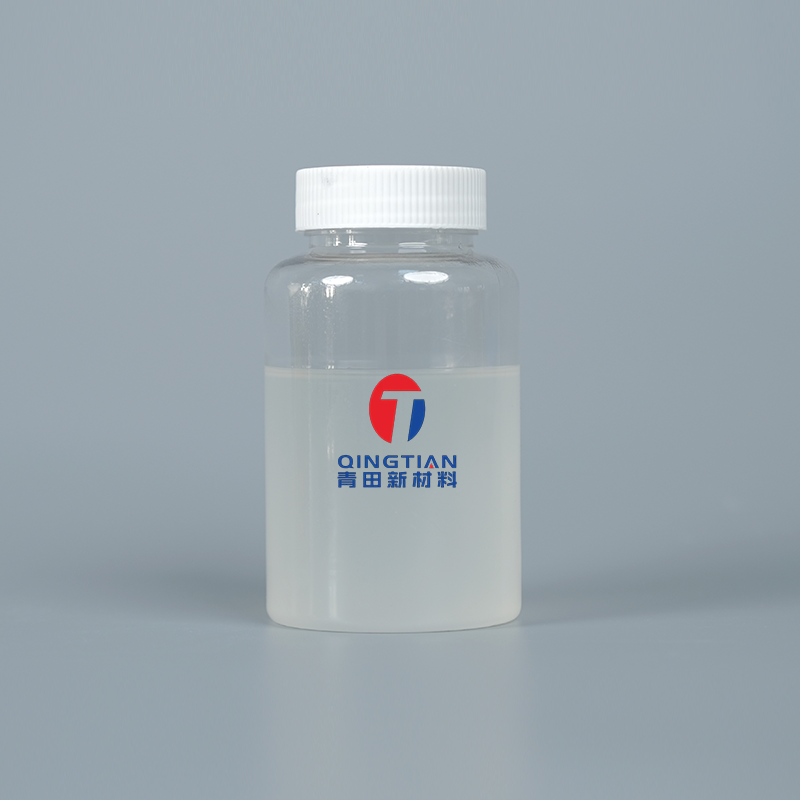
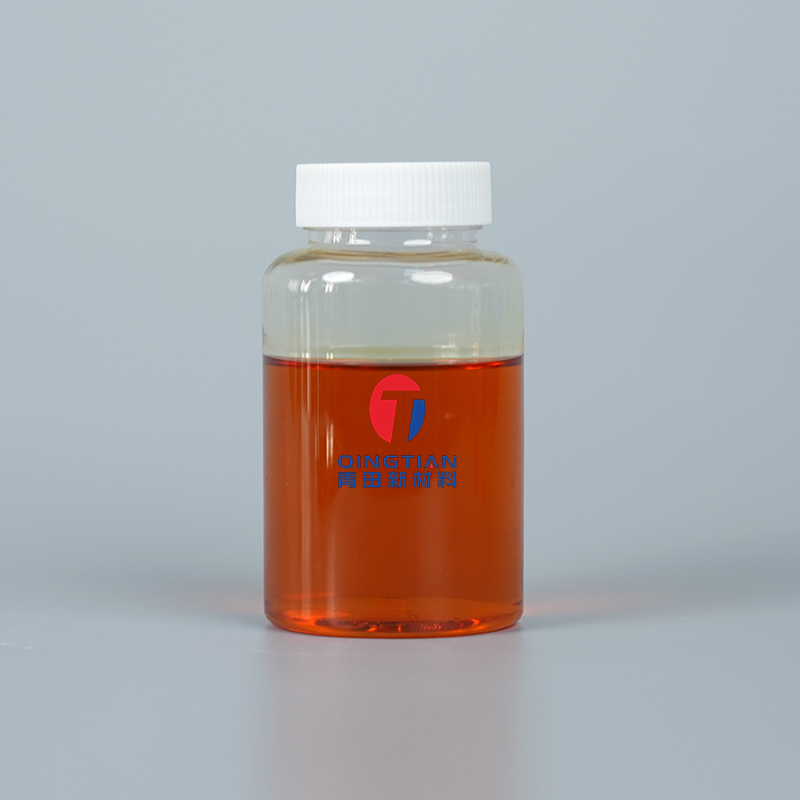
AA-9661S is a water-soluble acrylic resin designed for use in combination with amino resins in waterborne silver metallic paint systems. It helps improve the alignment state of metallic pigments in the cured film, supporting a more uniform distribution that enhances the metallic visual effect. At the same time, it contributes to improved film adhesion and whiteness performance after baking.
The resin can also be used directly for colour paste grinding and dispersion, providing additional formulation flexibility in waterborne colour coating systems.
| Metallic Pigment Alignment | Helps improve the arrangement state of aluminium and other metal pigments in the cured film, supporting a more uniform metallic appearance |
| Film Adhesion After Baking | Contributes to improved adhesion performance of the baked film to the substrate |
| Whiteness Performance | Supports better whiteness expression in the finished metallic film |
| Colour Paste Compatibility | Can be used directly for colour paste grinding and dispersion in waterborne systems |
| System Design | For use in combination with amino resins in waterborne metallic baking systems |
The final appearance of a waterborne silver metallic coating — the quality of flake alignment, the whiteness, the adhesion stability — is not determined solely by the pigment or the dispersant. The resin system that carries and supports the metallic pigment through the film formation and baking stage is the central variable. Selecting a resin with adequate pigment-bearing capability and film-forming performance, such as AA-9661S in combination with amino resin, is the formulation-level approach to improving metallic paint performance at its source.
AA-9661S is designed for use in combination with amino resins in waterborne baking systems. The specific amino resin type and ratio affect the cure behaviour and film properties — starting with the recommended combination and adjusting from there is the standard approach. Technical guidance is available for the specific system design.
If flake alignment and metallic visual effect are already meeting specification, the benefit of changing the resin system is limited. The strongest case for AA-9661S is in systems where metallic effect, whiteness, or adhesion are below target and adjustments to pigment loading and dispersant dosage have not resolved the issue.
Its colour paste grinding capability means it can be evaluated in waterborne colour coating systems beyond silver metallic. The suitability depends on the specific resin system, cure conditions, and performance requirements of the colour application.
 Wholesale Paint/ Coating Additives Manufacturers
Custom Industrial Chemical Solutions Suppliers
Wholesale Paint/ Coating Additives Manufacturers
Custom Industrial Chemical Solutions Suppliers