


 русский
 Español
 Français
Home / News / Industry News / Multi-Coat Application Always Peeling? The Leveling Agent May Be Affecting Recoatability
Industry News

In industrial coatings, wood coatings, and other systems requiring multiple application passes, the first coating film needs to achieve basic flatness and provide good wetting and bonding conditions for subsequent coatings. If the first coating film surface state changes significantly, the second coat may develop insufficient wetting, cratering, or even reduced interlayer adhesion. Therefore, leveling and recoatability often need to be considered together.
After the substrate film surface state changes, subsequent coatings cannot wet fully — the bonding effect between the two layers may be affected.
If the additive has insufficient compatibility with the resin system, local surface tension differences may cause cratering, fish-eye, and other defects.
Reducing additive dosage may improve interlayer adhesion to some degree, but leveling performance may decline — producing an insufficiently flat film.
Waterborne and solventborne systems have large compositional differences — the same leveling agent may perform differently in different resin systems.
The function of a leveling agent is fundamentally related to film surface state. It helps coating spread more quickly and adjusts local surface tension differences, improving film flatness. But for multi-coat application, the first coating film after curing still needs to receive the second coat. If the surface has too strong an interfacial regulating effect, the wetting behaviour of subsequent coatings may change. Therefore, for systems requiring recoating, what is more important is maintaining good compatibility between the additive and resin — improving flow and surface flatness without causing significant interference to subsequent coating wetting and interlayer bonding.
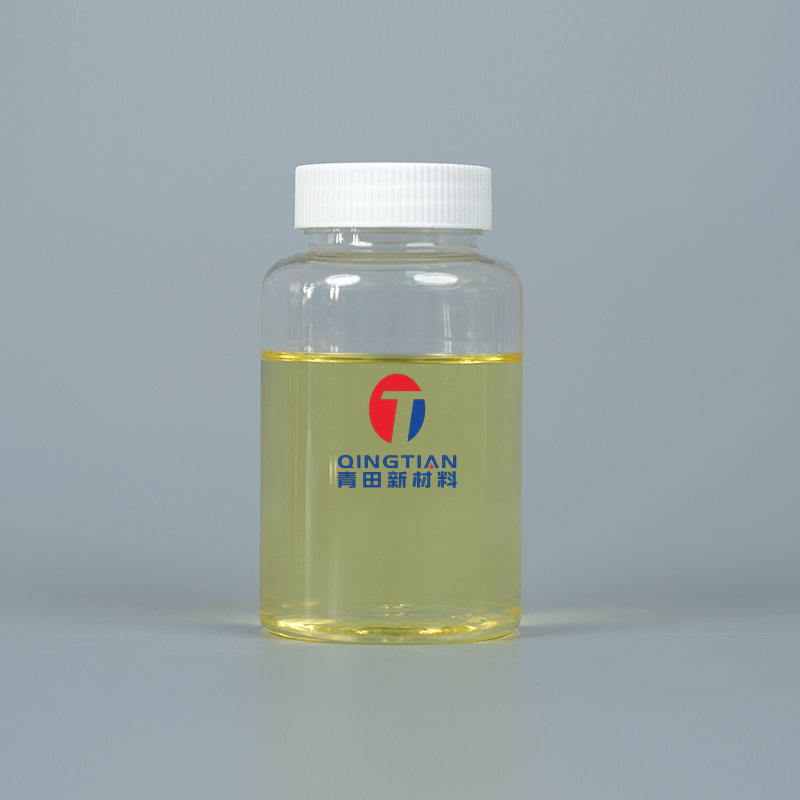
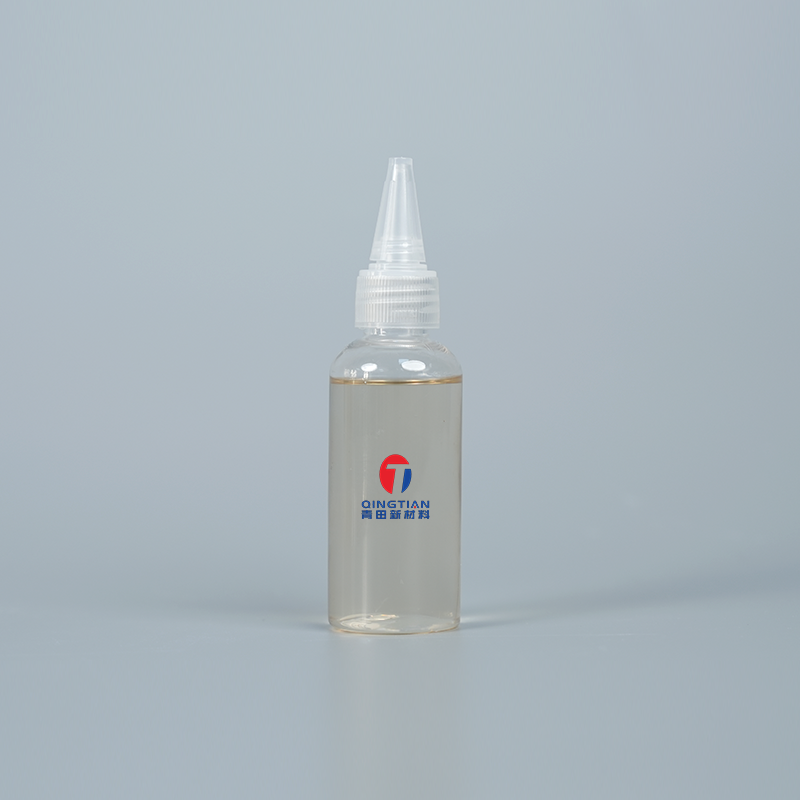
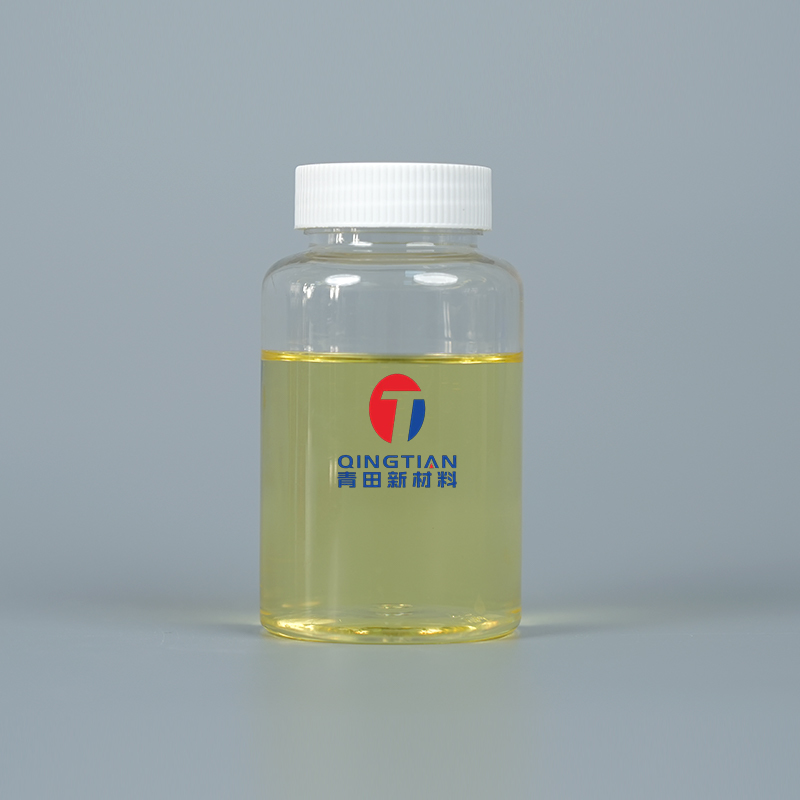
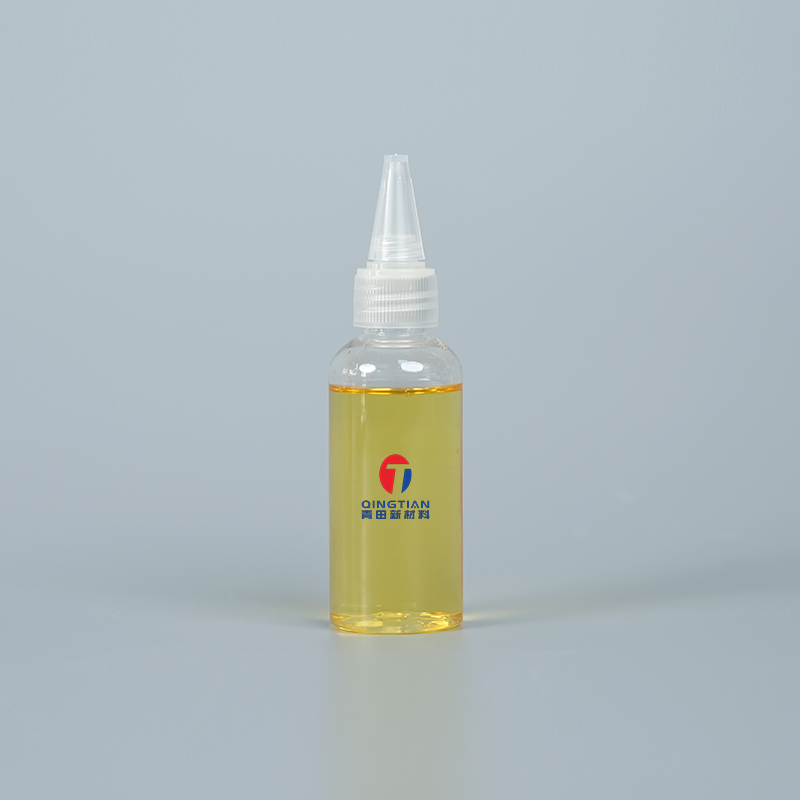
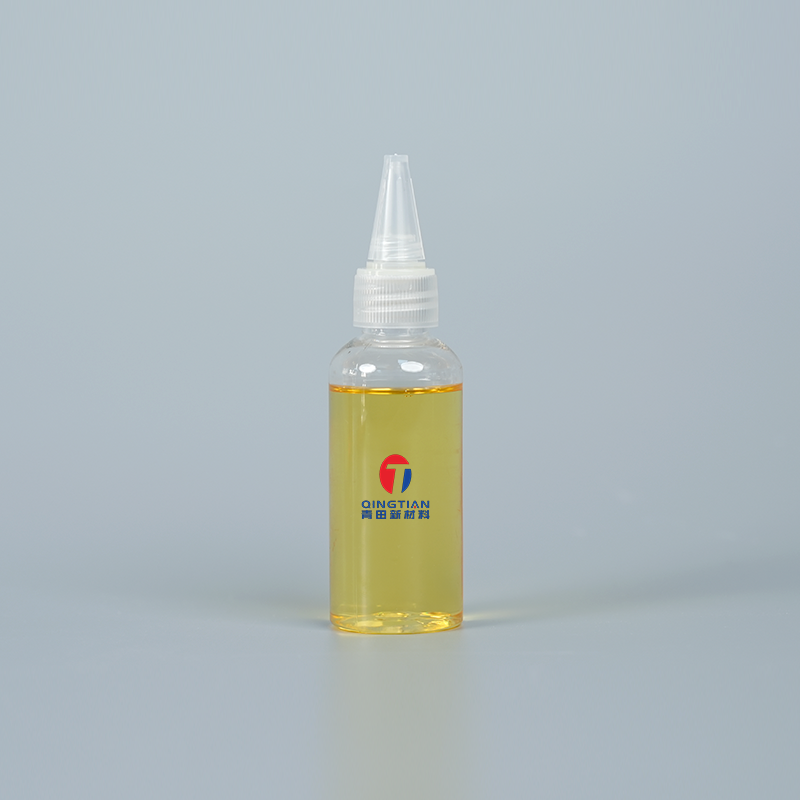
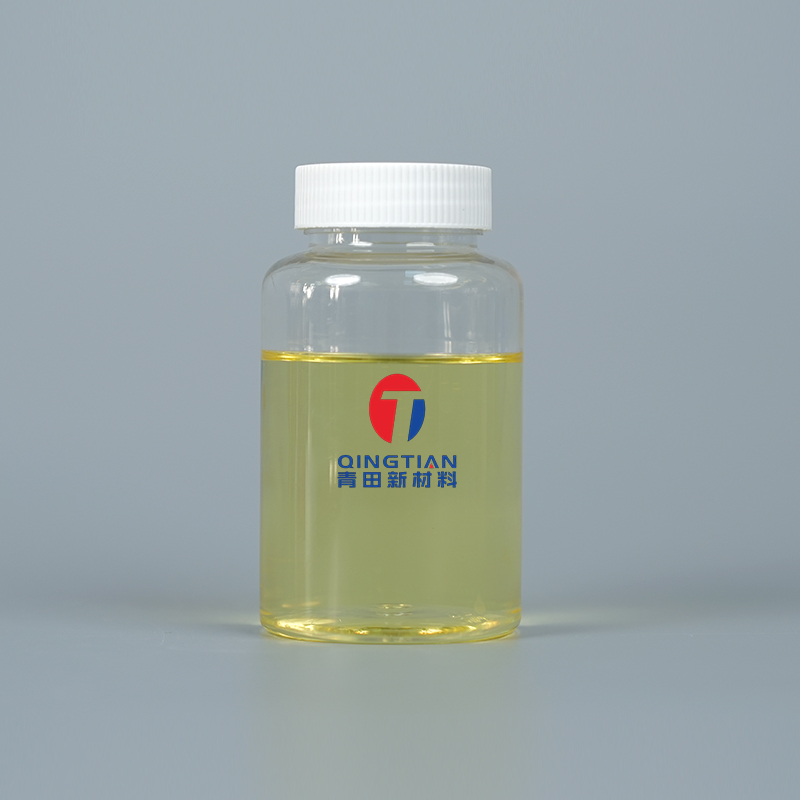
DH-3062 is a polyester copolymer type non-silicone leveling agent, with the primary characteristic of balancing film leveling and recoatability requirements. Because it contains no silicone component and has good compatibility with multiple resin systems, it is suitable for coating systems with higher interlayer adhesion requirements.
DH-3062 can help coatings improve flow and spread state, making the film surface more uniform, while helping reduce common surface defects such as cratering and fish-eye. For multi-coat applications, it can maintain good recoatability while improving leveling. The product can be applied to waterborne and solventborne coating systems. Reference dosage: 0.5%–3.0% of total formulation.
For products requiring multiple application passes, attention must be paid not only to whether the film is flat, but also to whether subsequent coatings can wet and bond normally. For formulations with high recoatability requirements, non-silicone leveling agents such as DH-3062 can be considered as a choice that balances surface effect and interlayer adhesion.
 Wholesale Paint/ Coating Additives Manufacturers
Custom Industrial Chemical Solutions Suppliers
Wholesale Paint/ Coating Additives Manufacturers
Custom Industrial Chemical Solutions Suppliers