


 русский
 Español
 Français
Home / News / Industry News / Leveling Gets Worse After High-Temperature Baking? Leveling Agent Heat Resistance Cannot Be Overlooked
Industry News

In industrial coatings and baking lacquer applications, coating films typically require higher-temperature baking cure. Therefore, high-temperature systems demand more from leveling additives than simply "can it level" — the stability of the additive during baking and its effects on recoatability, adhesion, and film surface performance all need to be considered.
During high-temperature cure, if system flow adjustment is insufficient, orange peel and texturing surface defects can remain.
Some additives have insufficient stability at higher temperatures — their surface-regulating function may be affected as baking conditions change.
Some highly surface-active additives improve film flatness but may also change the film surface state, causing adhesion of subsequent coatings to be affected.
Leveling, gloss, slip, scratch resistance, and anti-blocking are interrelated — focusing only on one may cause changes in others.
For high-temperature baking systems, the leveling agent also needs to survive the entire heating and cure process. If the leveling agent has insufficient stability in the high-temperature phase, the surface-regulating effect that was good during application may change after baking. Conversely, if the additive surface activity is too strong, it may affect subsequent coating wetting and adhesion. Therefore, when selecting leveling additives for high-temperature baking coatings, balance between heat resistance stability, leveling, wetting, recoatability, and surface performance is required — not simply pursuing stronger leveling effect.
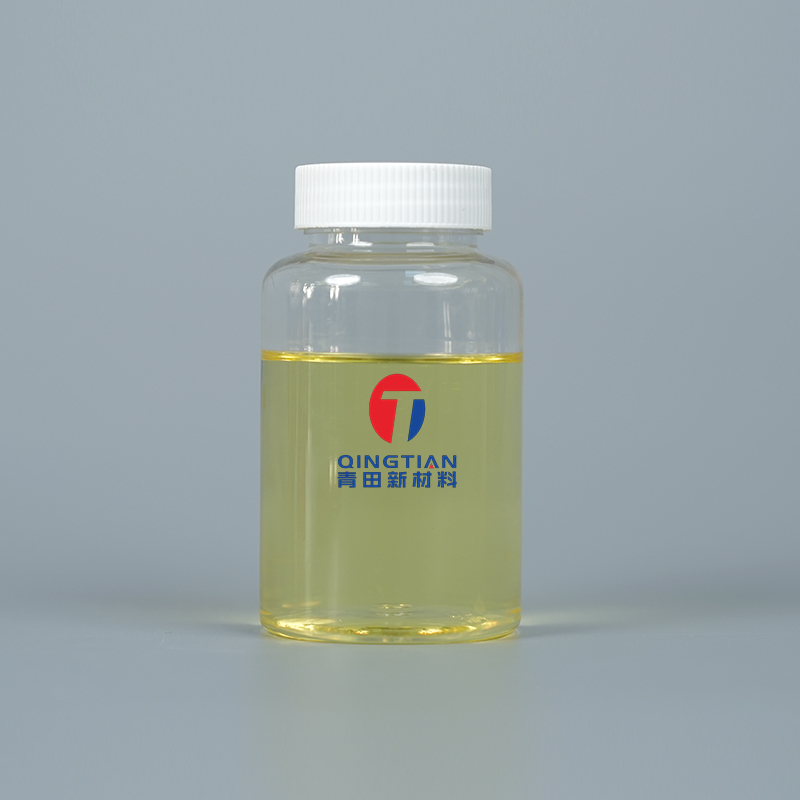
DH-4310 is a polyester-modified polydimethylsiloxane organic silicon leveling additive, primarily targeting coating systems that need to undergo higher temperature baking. Its heat resistance is good, capable of maintaining stability under approximately 230°C use conditions — helping to maintain better surface-regulating effect during high-temperature baking. The product has good compatibility with multiple coating systems and can help improve film flatness while balancing recoatability.
Beyond leveling, DH-4310 can also improve substrate wetting state and assist in improving coating adhesion. In terms of film surface performance, it can further improve slip feel, gloss, scratch resistance, and anti-blocking. Recommended dosage: 0.5%–1.0% of total formulation.
| Heat Resistance | Stable under approximately 230°C — maintains surface-regulating effect throughout high-temperature baking |
| Leveling & Film Flatness | Helps improve flow during baking, reducing orange peel and surface texture defects |
| Recoatability | Good compatibility with multiple systems — reduces interlayer adhesion issues in multi-coat processes |
| Substrate Wetting | Improves substrate wetting state, aiding adhesion development |
| Surface Performance | Improves slip feel, gloss, scratch resistance, and anti-blocking of the cured film |
When selecting leveling agents for high-temperature systems, heat resistance, compatibility, adhesion, and recoatability must be comprehensively considered alongside leveling effect, to achieve more stable film surface performance.
 Wholesale Paint/ Coating Additives Manufacturers
Custom Industrial Chemical Solutions Suppliers
Wholesale Paint/ Coating Additives Manufacturers
Custom Industrial Chemical Solutions Suppliers