


 русский
 Español
 Français
Home / News / Industry News / Best Paint Additives for Cold Weather: Complete Guide (Water-Based & Solvent-Based)
Industry News

Content
Yes — specific additives can improve paint performance in cold weather, but the right choice depends on your paint system. A waterborne latex needs different chemistry than a solvent-based alkyd, and the wrong additive can create new defects while fixing none of the old ones. This guide breaks down the four additive families that matter when temperatures drop, what each one can and cannot do, and how to apply them without compromising the finished film.
Cold weather attacks paint through three distinct mechanisms, and each one produces its own set of defects.
Additives can address the first two mechanisms: coalescing solvents help particles fuse, glycols keep waterborne formulations liquid, drier catalysts accelerate oxidation, and leveling agents manage viscosity-related defects. What no additive can do is overrule physics. If the substrate itself is below the coating's MFFT, or the relative humidity is high enough that condensation forms on the surface, no additive will produce a durable film. That boundary is important because it separates problems that the right additive can fix from conditions that simply require a later application window.
Antifreeze additives are the most commonly mentioned solution, and in waterborne paints they serve a specific but narrow purpose: preventing the water phase from freezing during transport and storage. Ethylene glycol and propylene glycol both lower the freezing point of the paint, protecting the emulsion from damage when temperatures dip below 32°F (0°C).
Ethylene glycol is the stronger antifreeze, but its toxicity makes it a poor choice for consumer products. Propylene glycol is much more common in modern waterborne formulations because it is safer, widely available in grades suitable for coatings, and provides enough freezing-point depression for most winter logistics scenarios.
The key limitation is that glycols do not improve film formation. A paint that arrives on site unfrozen can still fail to coalesce if the air or substrate temperature is below its MFFT. Treat antifreeze as storage and transport protection, not as a cold-weather cure for application problems.
Coalescing solvents are the closest thing waterborne paint has to a true cold-weather solution. They temporarily soften the latex polymer particles, lowering the MFFT so the particles can fuse into a continuous film at lower temperatures. Once the film forms, the coalescing solvent gradually evaporates and the coating regains its intended hardness.
Common types include ester-alcohol coalescents (the Texanol family), ethylene glycol monobutyl ether, and dipropylene glycol n-butyl ether. The required dosage depends on the polymer's glass transition temperature (Tg) and the lowest substrate temperature you need to cover. Overdosing is a real risk: too much coalescing solvent can keep the film soft for weeks, reduce block resistance, and increase dirt pickup.
Alkyd and oil-based paints cure by oxidation — the resin absorbs oxygen and crosslinks into a hard film. Metal carboxylate driers, typically cobalt, manganese, and zirconium compounds, catalyze this reaction. In cold weather, the oxidation rate drops sharply, which is why alkyd paints can remain tacky for days at 40°F (4°C).
Drier catalysts accelerate oxidative crosslinking, allowing alkyd and oil-based paints to cure within a reasonable time at lower temperatures. They are not a general-purpose accelerator. A drier catalyst does nothing for waterborne latex, and it is irrelevant in two-component epoxy or polyurethane systems that cure by a different chemical mechanism.
Low temperatures raise paint viscosity, which shows up on the wall as brush marks, roller stipple, and orange peel. Flow modifiers and leveling agents lower the surface tension of the wet film and help it level before the solvents evaporate. They do not accelerate drying, prevent freezing, or improve coalescence — they address the application symptoms of cold weather only.
Silicone leveling agents are powerful and provide excellent surface slip, but they can cause fish-eyes or recoat adhesion problems when overdosed. Acrylate leveling agents are milder, friendlier to intercoat adhesion, and generally safer for field application in cold conditions. A good starting point for comparing options is the leveling agents for coatings section, which spans both silicone and silicone-free chemistries. For silicone-free formulations where recoat adhesion matters, acrylate leveling agents for low-temperature leveling provide a practical balance of flow and leveling without the risks of silicone overdosing.
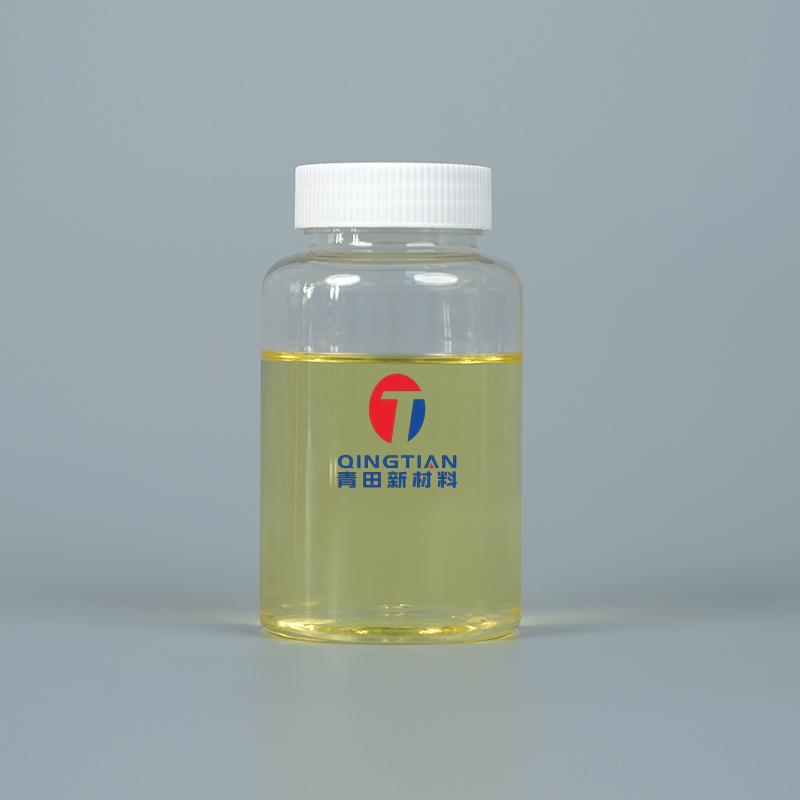 Custom DH-3187 Acrylate Leveling Agent Suppliers, Factory - Suzhou Qingtian New Suzhou Qingtian New Material Co., Ltd. is China DH-3187 Acrylate Leveling Agent Suppliers and Factory, details:Features high-efficiency l...View Product →
The additive you choose should be dictated by the resin system, not by the symptom. Waterborne and solvent-based paints fail in cold weather for different reasons, so they need different remedies.
Waterborne systems. The working combination is a freeze-thaw stabilizer such as propylene glycol plus a coalescing solvent. Add the glycol during manufacturing to protect the emulsion in storage and transit. Adjust the coalescing solvent level to bring the MFFT down to your expected application temperature. If cold-induced viscosity leaves brush marks, add a leveling agent as a third component.
Solvent-based and alkyd systems. Skip antifreeze entirely — these paints contain no water to freeze. Use a drier catalyst to keep the oxidation reaction moving and a leveling agent to manage the higher viscosity. Confirm that the drier package is compatible with your resin and follow the supplier's recommended addition rate.
| Additive type | Paint system | Primary cold-weather benefit | Key limitation |
|---|---|---|---|
| Glycol antifreeze | Waterborne | Prevents freezing during transport and storage | Does not help film formation at low temperature |
| Coalescing solvent | Waterborne | Lowers MFFT so latex particles fuse into a film | Overdosing softens the film and increases dirt pickup |
| Drier catalyst | Solvent-based alkyd / oil | Accelerates oxidative curing at low temperature | No effect on waterborne or two-component systems |
| Leveling agent | Both | Reduces brush marks and orange peel from high viscosity | Does not accelerate drying or prevent freezing |
Even with the right additives, application discipline determines whether the job survives the first winter. These habits matter more than the brand of additive you choose.
For formulators, cold-weather performance should be designed in from the start, not patched in at the end. Defining the target MFFT and working temperature range during the development phase gives you the freedom to select the right raw materials rather than retrofitting an existing formula.
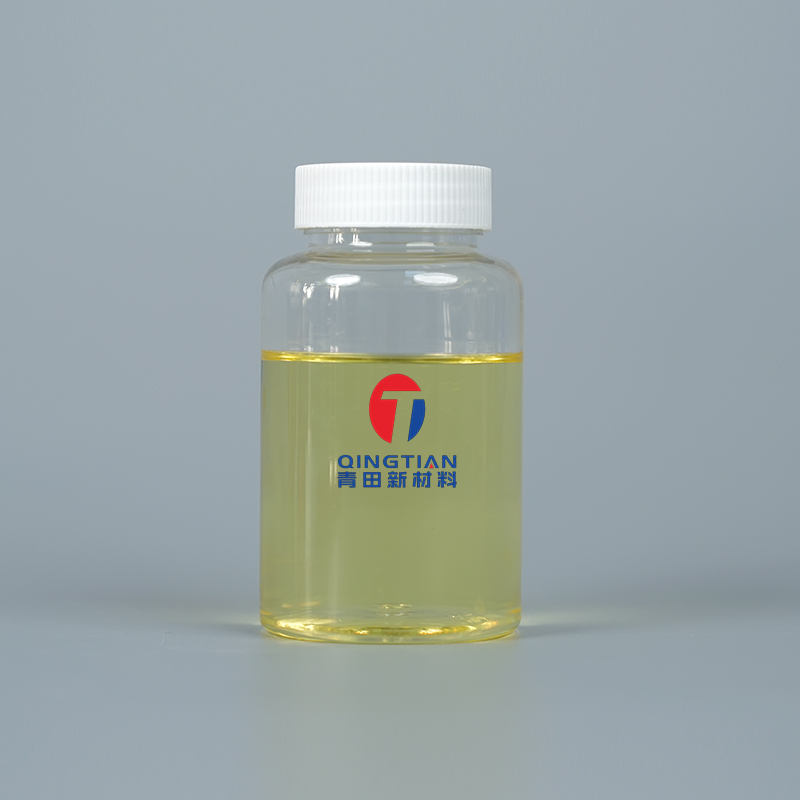 Custom ADP Metal Adhesion Promoter Suppliers, Factory - Suzhou Qingtian New MateSuzhou Qingtian New Material Co., Ltd. is China ADP Metal Adhesion Promoter Suppliers and Factory, details:Improves the adhesion of the p...View Product → during the grind stage so the additive is fully dispersed before the paint is let down.
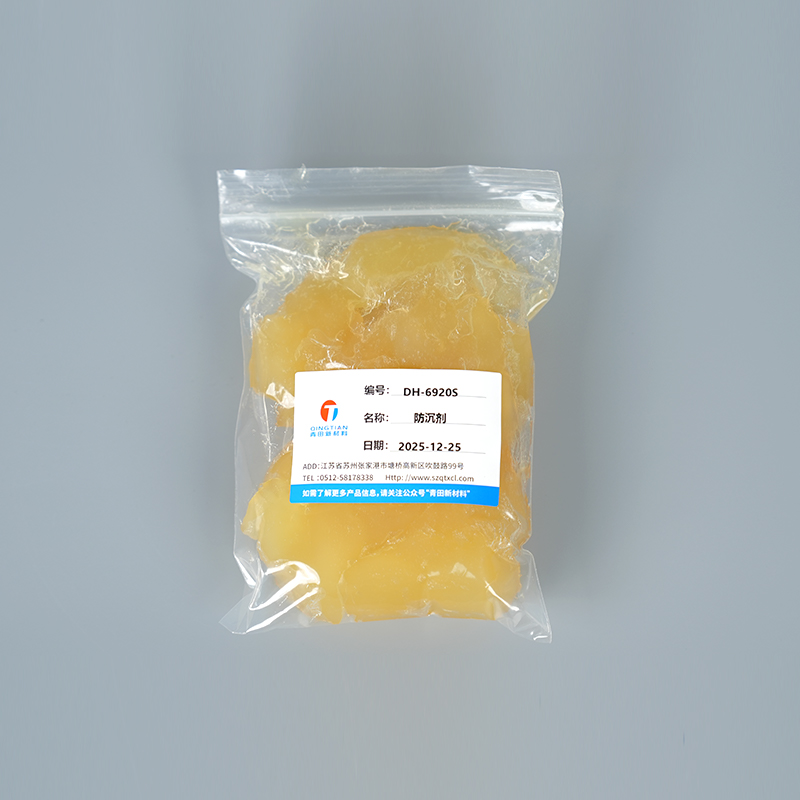
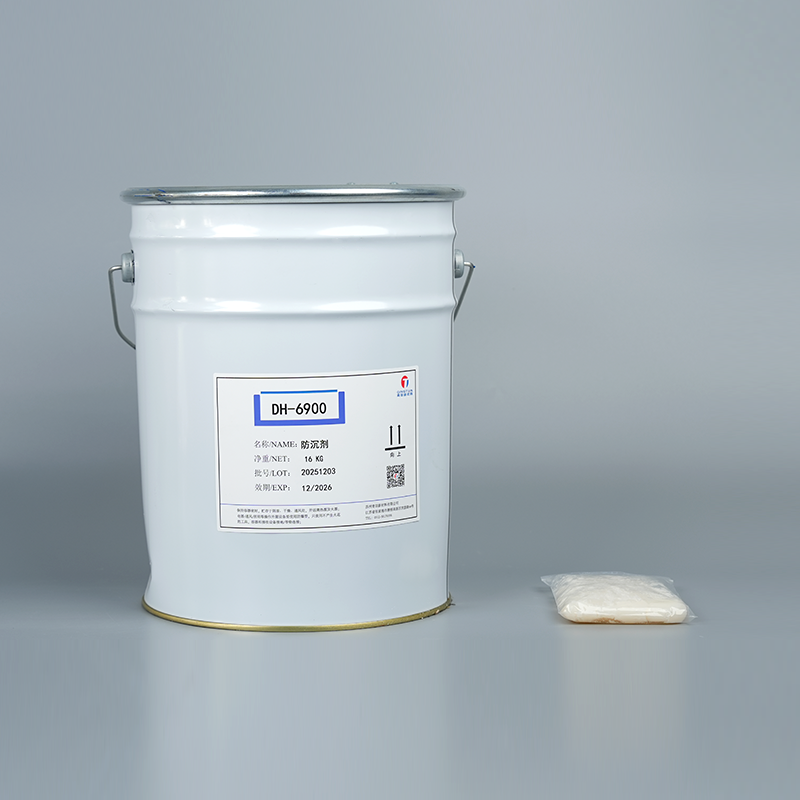 Custom DH-6900 Anti-settling Agent Suppliers, Factory - Suzhou Qingtian New MateSuzhou Qingtian New Material Co., Ltd. is China DH-6900 Anti-settling Agent Suppliers and Factory, details:Forms a gel network structure ...View Product → to keep pigments and fillers suspended when cold storage makes the paint more prone to settling.
There is no universal cold-weather additive, but there is a reliable decision rule: match the additive family to the resin system.
Waterborne paints need a freeze-thaw stabilizer such as propylene glycol and a coalescing solvent to lower the MFFT, with a leveling agent added when viscosity creates surface defects. Solvent-based alkyd and oil-based paints need a drier catalyst to maintain oxidation curing speed, plus a leveling agent to manage viscosity. Antifreeze for a solvent-based paint is wasted chemistry; a drier catalyst for a latex paint is equally pointless.
For coating manufacturers and professional applicators building a cold-weather formulation or troubleshooting an existing one, the practical path is to review the complete additive toolbox — dispersants for pigment stability, leveling agents for surface quality, adhesion promoters for difficult substrates, and antisettling agents for winter storage. Suzhou Qingtian's product lines cover these categories across waterborne and solventborne systems, making the company a practical starting point when you need technical support for cold-weather raw material selection.
 Wholesale Paint/ Coating Additives Manufacturers
Custom Industrial Chemical Solutions Suppliers
Wholesale Paint/ Coating Additives Manufacturers
Custom Industrial Chemical Solutions Suppliers